


| Country | Ukraine |
| Population | 264298 |
| Area | 153 km2 (59 sq mi) |
| Time Zone | UTC+2 (EET) |
| Coordinates | 48.3, 25.933333333333334 |
| Highest elevation | 248 m (814 ft) |
City Gallery




City Description
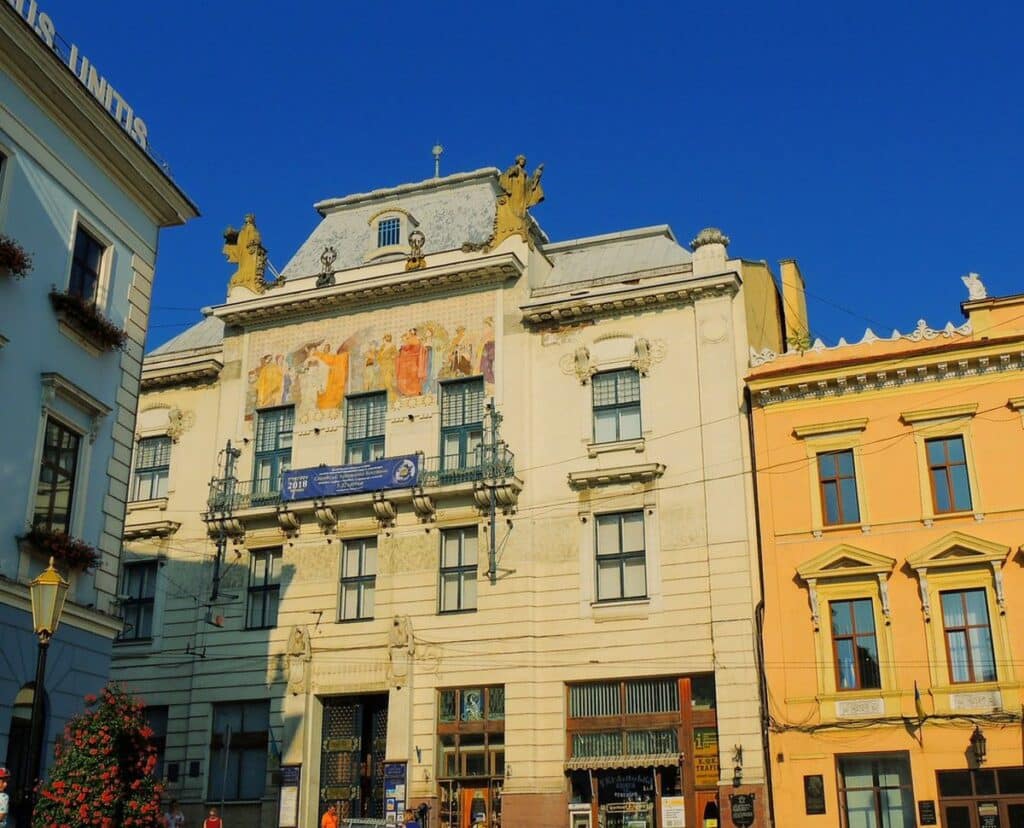
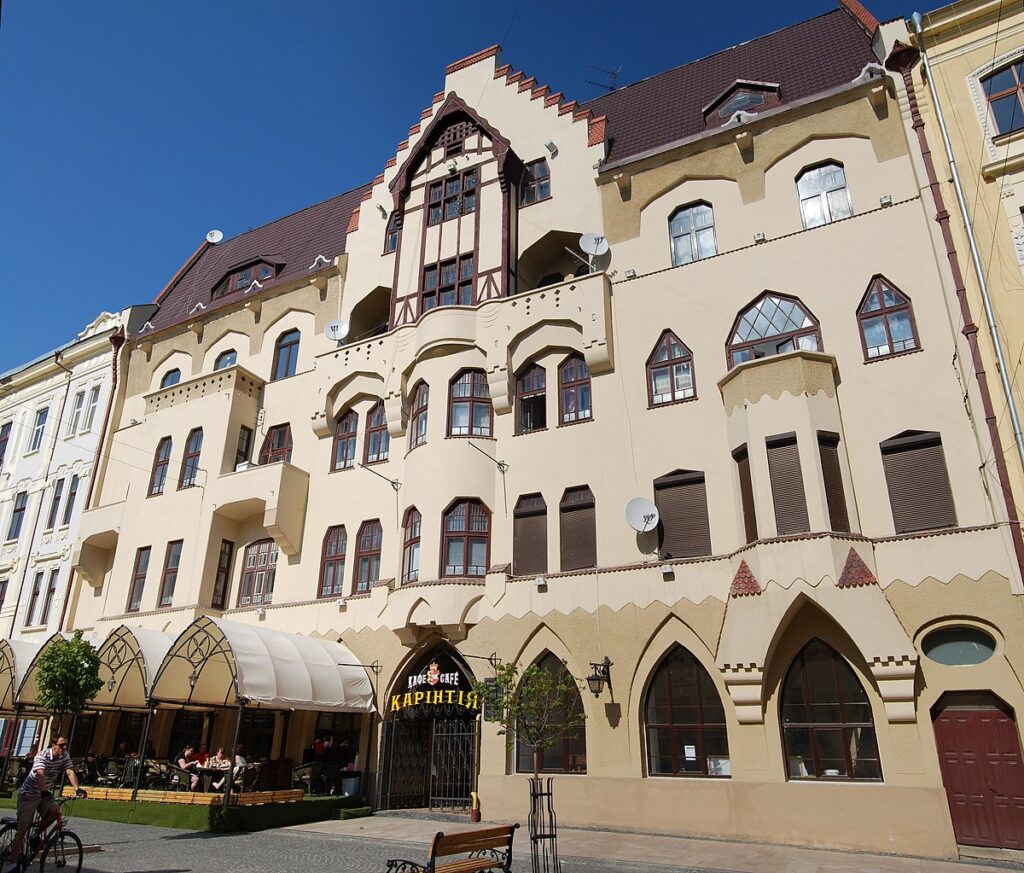
Chernivtsi, a city in southwestern Ukraine, is a captivating blend of cultures, history, and architecture, often referred to as “Little Vienna” or “The Pearl of Bukovina.” With a population of around 265,000 people, it is the administrative center of the Chernivtsi Oblast, covering approximately 153 square kilometers. Nestled along the banks of the Prut River, Chernivtsi enjoys a picturesque setting surrounded by rolling hills and a rich natural landscape. The city’s diverse heritage and elegant architecture reflect its multicultural past, influenced by Ukrainian, Romanian, Austrian, and Jewish communities.
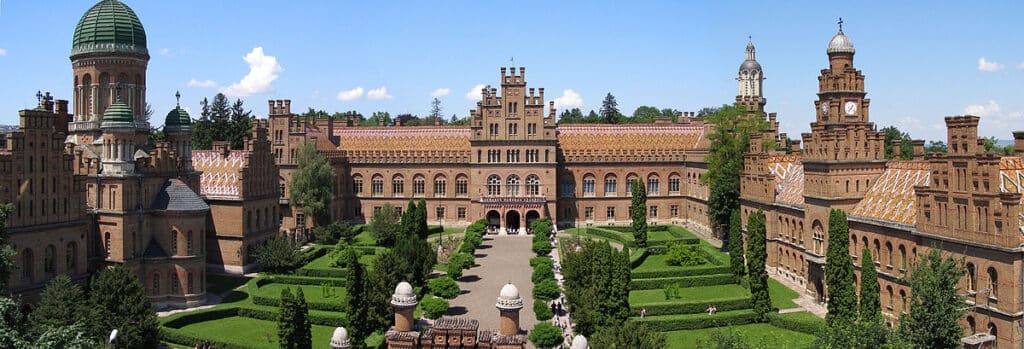
Historically, Chernivtsi has a complex and fascinating past. It was first documented in the 15th century as part of the Moldavian Principality before becoming part of the Habsburg Empire in 1775. This period saw a flourish in the city’s development as it transformed into a regional hub for trade, education, and culture. The architecture from the Austrian era, particularly the grand buildings like the Chernivtsi National University (formerly the Residence of Bukovinian and Dalmatian Metropolitans), stands as a testament to this influence and is now a UNESCO World Heritage site. Following World War I, the city briefly became part of Romania, before eventually becoming a part of the Soviet Union after World War II, and finally, Ukraine, after its independence in 1991.
Geographically, Chernivtsi is located in the Carpathian foothills, giving it a mild continental climate. Summers are warm, with temperatures averaging around 24°C (75°F), while winters are cold, often dropping to -4°C (25°F). The city’s location along the Prut River adds to its charm, with lush parks and tree-lined avenues providing green spaces for residents to enjoy. Chernivtsi’s hilly terrain also offers stunning panoramic views, particularly from spots like the City Hall Tower, where you can get a bird’s eye view of the city’s red-roofed buildings and cobbled streets.
Culturally, Chernivtsi is a melting pot, and this is reflected in its diverse traditions, festivals, and cuisine. The city is known for its annual Chernivtsi Days festival, celebrating the city’s rich heritage with music, parades, and art exhibitions. The Bukovina International Poetry Festival is another highlight, attracting writers and artists from across Eastern Europe. Chernivtsi’s culinary scene is equally diverse, with influences from Ukrainian, Romanian, Austrian, and Jewish cuisines. You can find traditional dishes like borscht, Romanian sarmale (stuffed cabbage rolls), and Viennese pastries in the city’s cafes and restaurants, creating a vibrant food culture that brings people together.
The human resources of Chernivtsi are characterized by a highly educated population, thanks in part to the city’s long-standing educational tradition. The Chernivtsi National University, founded in 1875, is one of Ukraine’s oldest and most prestigious institutions, attracting students from all over the country. The city’s literacy rate is nearly 100%, and many residents work in education, healthcare, and public administration. Chernivtsi also has a growing IT sector, with local companies and startups emerging as part of Ukraine’s broader tech boom. The city’s young, educated workforce is a key driver for this sector’s growth, contributing to a dynamic and evolving economy.
Economically, Chernivtsi is diverse, with sectors such as education, healthcare, trade, and technology playing significant roles. The city’s historical significance as a trading hub continues, with local markets like the Kalynivsky Market, one of the largest in Western Ukraine, providing a lively center for commerce. Agriculture also supports the local economy, with the surrounding fertile lands producing grains, fruits, and dairy products. In recent years, the rise of the IT industry has begun to reshape Chernivtsi’s economy, offering higher-paying jobs and attracting young professionals. The average monthly income in Chernivtsi is around 15,000 UAH (approximately $400 USD), reflecting its status as a regional center with modest yet steadily improving economic opportunities.
Transportation in Chernivtsi is well-developed for a city of its size, with connections to other parts of Ukraine and neighboring countries. The Chernivtsi International Airport offers flights to several destinations, primarily within Europe, although many international travelers connect through Kyiv or Lviv. The city is also a key railway hub, with direct trains linking it to major cities like Kyiv, Lviv, and Bucharest, Romania. Within Chernivtsi, public transportation consists of buses, trolleybuses, and marshrutkas (minibuses), providing efficient ways to navigate the city. The central parts of Chernivtsi are walkable, with pedestrian-friendly streets making it easy to explore the city’s historic areas on foot.
Environmentally, Chernivtsi is a city that values its green spaces. Parks like Shevchenko Central Park and the Botanical Garden offer residents and visitors a chance to relax and enjoy nature. The city has initiated several projects to maintain its parks and riverbanks, aiming to create more eco-friendly urban spaces. Additionally, efforts to preserve the city’s architectural heritage are ongoing, with local authorities and community groups working to restore historical buildings and maintain the city’s distinctive charm.
Chernivtsi is a city that beautifully merges the past and the present, where centuries-old buildings stand alongside modern developments, and a rich cultural life thrives amid natural beauty. It’s a place where diverse communities have come together over time, creating a city that feels both historical and dynamic. With its blend of tradition, education, and modern growth, Chernivtsi offers a unique glimpse into the heart of Western Ukraine.
Leave a Reply