


| Country | Moldova |
| Population | 532513 |
| Area | 123 km2 (47 sq mi) |
| Time Zone | UTC+02:00 (EET) |
| Coordinates | 47.022777777777776, 28.835277777777776 |
| Highest elevation | 85 m (279 ft) |
City Gallery





City Description
Chișinău, the capital city of Moldova, is a vibrant and evolving urban center situated in the central part of the country. With a population of around 700,000, it’s by far the largest city in Moldova, accounting for roughly 20% of the country’s total population. The city’s location along the Bâc River, a tributary of the Dniester, offers both a natural setting and a strategic advantage, making it a key hub for trade, culture, and politics in the region. Chișinău is the political, economic, and cultural heart of Moldova, and its significance has only grown since the country gained independence from the Soviet Union in 1991.
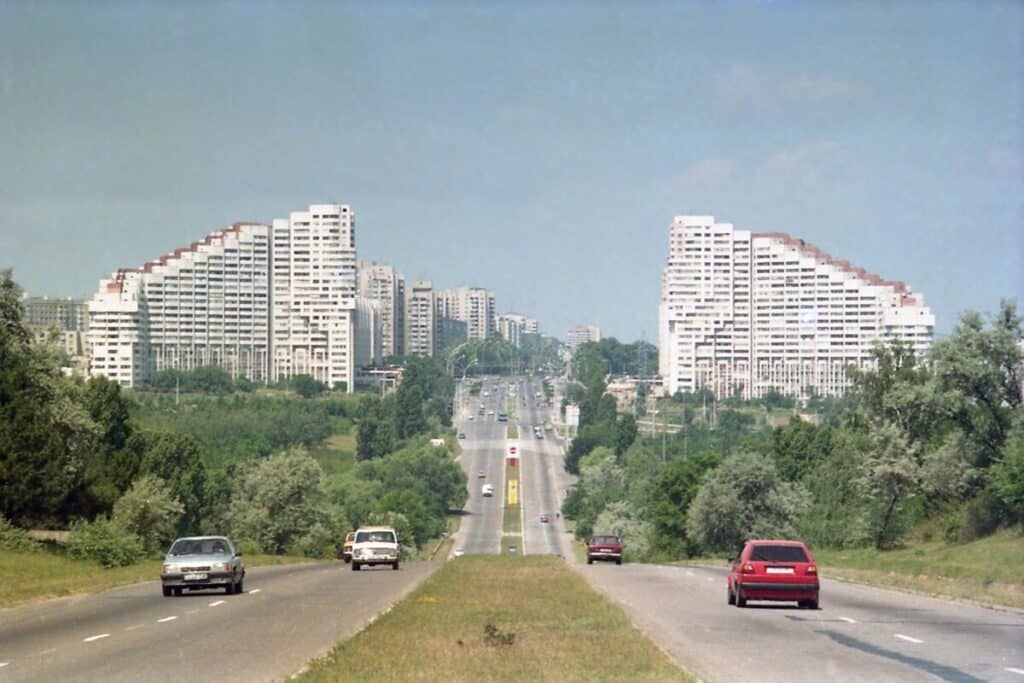
The history of Chișinău goes back to the 15th century when it was first mentioned in historical documents in 1436. The city’s name is believed to come from the Romanian word “chișla,” meaning “spring” or “well,” which reflects the area’s abundant water sources. In the centuries that followed, Chișinău grew from a small village to a regional center, thanks in part to its location on key trade routes. In the 19th century, the city became part of the Russian Empire, and it underwent significant development during this period, including the construction of important buildings, roads, and institutions. Chișinău was annexed by the Soviet Union in 1940, and much of the city’s architecture and infrastructure were shaped by Soviet planning, with wide boulevards and Soviet-style buildings.
Geographically, Chișinău is located in the central part of Moldova, near the Dniester River, which forms the natural boundary between Moldova and Ukraine. The city sits at an altitude of around 75 meters above sea level, which contributes to its relatively mild climate. The climate in Chișinău is temperate-continental, with hot, dry summers and cold, snowy winters. Average temperatures in July hover around 25°C, while January temperatures often dip below freezing, with snow and frost common in the winter months. The city is surrounded by lush greenery, and many parks and natural areas contribute to the city’s charm.
Culture in Chișinău is a blend of Moldovan traditions and influences from its history under both the Russian Empire and the Soviet Union. The majority of the population speaks Romanian, with Russian also widely used, especially in business and governmental affairs. Chișinău is known for its rich cultural life, with numerous theaters, art galleries, and museums that celebrate both Moldovan heritage and contemporary culture. The National Museum of History of Moldova and the Moldova State University are important cultural and educational institutions in the city. Music plays a significant role in the cultural landscape, and Chișinău hosts a number of festivals throughout the year, including the National Folk Festival, which celebrates traditional Moldovan music, dance, and food.
Chișinău’s human resources are a key driver of its economy. The city is home to a large, educated population, with several universities and institutions that offer a range of academic programs in fields such as engineering, business, medicine, and the arts. Moldova State University, the oldest and most prestigious university in the country, has a significant influence on the city’s intellectual and research activities. The university produces a highly skilled workforce, many of whom go on to work in key sectors such as education, technology, healthcare, and government. Chișinău is also home to a growing number of young professionals, particularly in fields like IT, finance, and marketing, thanks to the city’s increasing integration into the global economy.
Economically, Chișinău is the commercial and industrial heart of Moldova. While Moldova is one of the poorest countries in Europe, Chișinău’s economy is relatively diverse. The city has a well-developed service sector, particularly in banking, finance, and retail. The banking sector in Chișinău is the most developed in the country, with a number of local and international banks operating in the city. The city also boasts a growing tech industry, with a number of IT companies and software development startups making their home here. The government has made efforts to foster innovation and entrepreneurship in recent years, and the rise of the IT sector has provided a boost to the local economy.
Agriculture also plays an important role in Chișinău’s economy, with the city serving as a key market for Moldova’s agricultural products, such as wine, fruit, vegetables, and grains. Moldova is known for its wine industry, and Chișinău is at the heart of this thriving sector. The city hosts several wine festivals throughout the year, including the National Wine Day, which draws both local and international tourists to sample Moldova’s wine offerings. The city is also home to a number of food processing industries that produce dairy, meat products, and canned goods.
Despite its economic growth, Chișinău faces a number of challenges. The city is still heavily reliant on remittances from Moldovans working abroad, particularly in Italy, Russia, and Spain. These remittances have played a crucial role in sustaining the local economy, but they also point to the challenges the country faces in creating sustainable, high-paying jobs within the city. Unemployment remains relatively high, especially among young people, although the government has introduced several initiatives to address this issue. Additionally, corruption and political instability have hindered Chișinău’s development, although recent efforts to combat corruption and improve governance are beginning to show results.
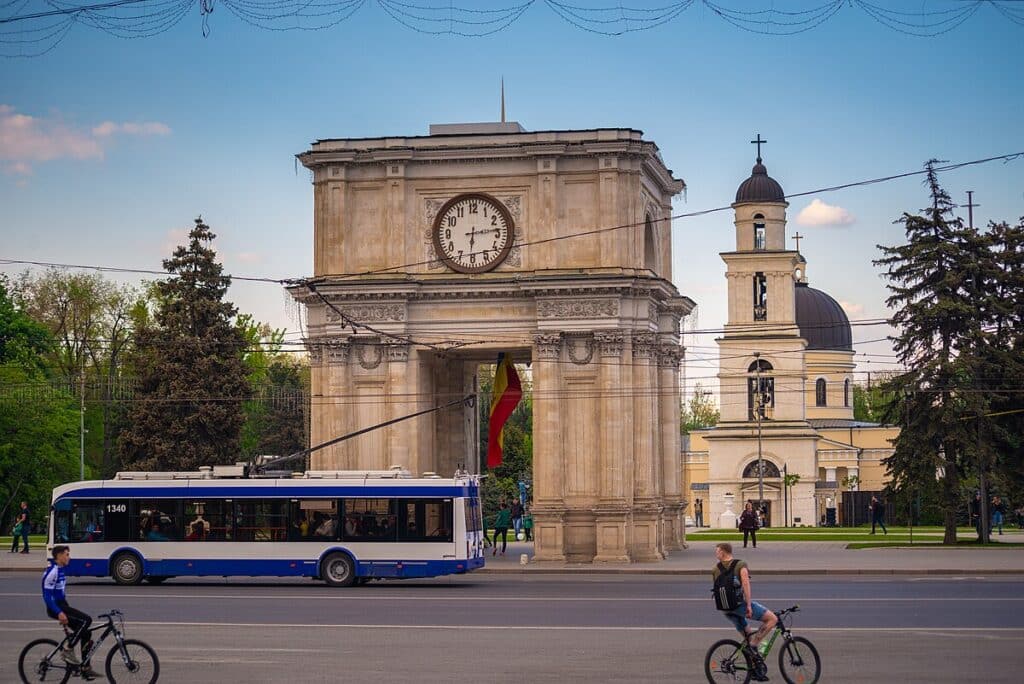
In terms of infrastructure, Chișinău has seen considerable development over the past few decades. The city’s transportation system includes a network of buses, trolleys, and minibuses that serve the city’s population. However, the city’s traffic can be quite congested, especially during rush hours, and the public transport system, while extensive, still faces challenges in terms of reliability and coverage. Chișinău’s international airport, Chisinau International Airport, connects the city to a number of destinations in Europe, the Middle East, and beyond. However, the airport and other transportation infrastructure still require significant investment to meet the needs of a growing city.
Chișinău’s urban landscape is a mix of Soviet-era apartment blocks, newly constructed commercial buildings, and parks and green spaces. The city’s central area is home to several landmarks, including Stefan Cel Mare Park, which is named after Moldova’s most famous ruler, and the Triumphal Arch, a symbol of the city’s historical significance. Chișinău also boasts an impressive array of Soviet-era architecture, including the Parliament building and the Soviet-style Hotel National.
With its growing economy, youthful population, and strategic location in the heart of Moldova, Chișinău is steadily transforming into a modern European city. While challenges remain, particularly in terms of political stability and economic diversification, the city offers plenty of potential for growth. The blend of historical influences, a developing tech sector, and a strong cultural scene make Chișinău an exciting place to live and visit. The city’s future seems bright as it continues to adapt to the changing global landscape while remaining deeply connected to its Moldovan roots.
Leave a Reply