

| Country | Mexico |
| Population | 2143539 |
| Area | 321.19 km2 (124.01 sq mi) |
| Time Zone | UTC-07:00 (MST) |
| Coordinates | 31.72024, -106.46084 |
| Highest elevation | 1,140 m (3,740 ft) |
City Gallery
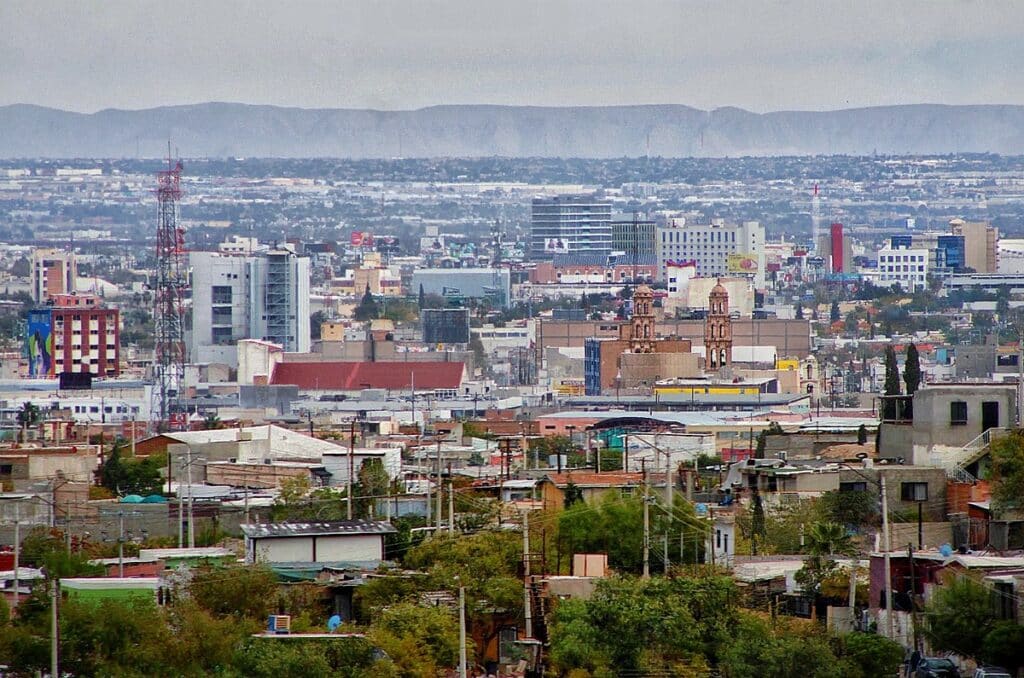
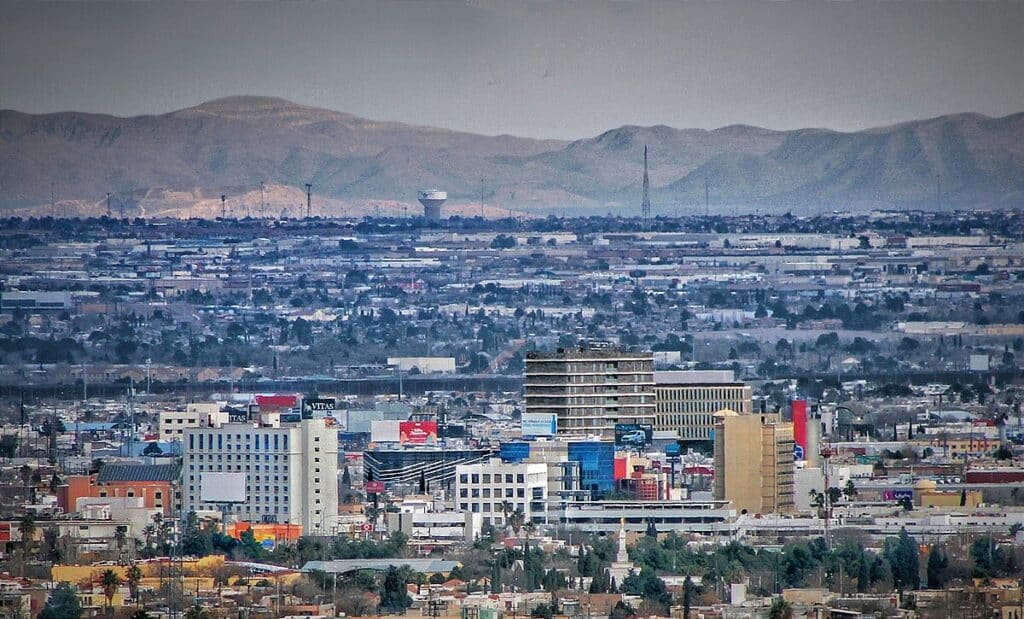
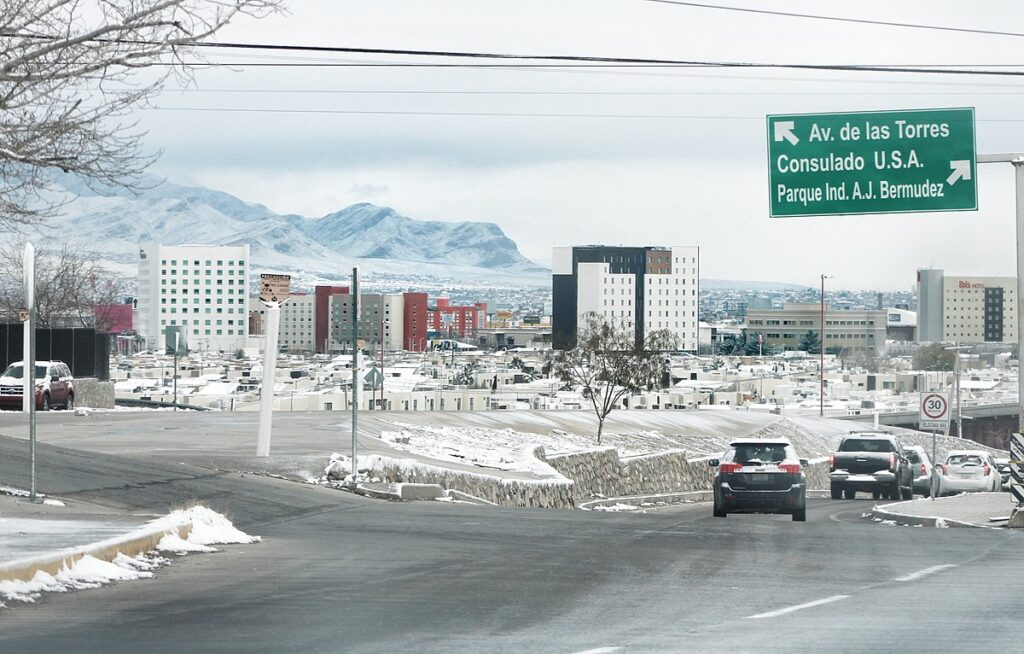
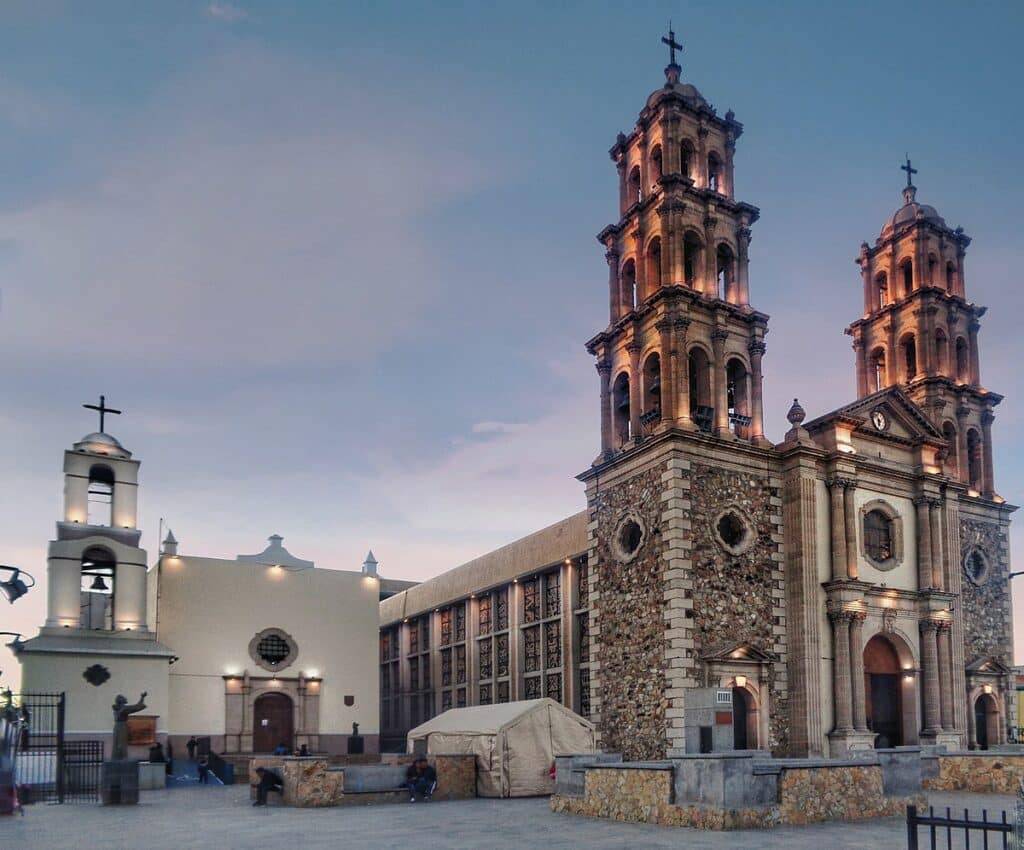
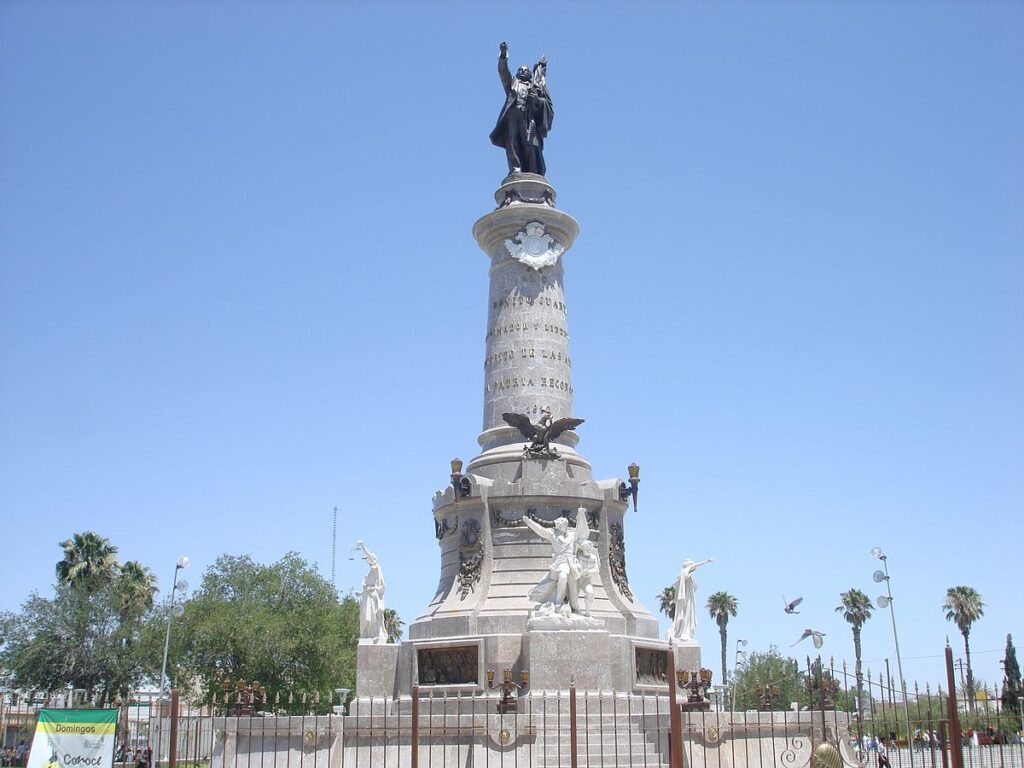


City Description
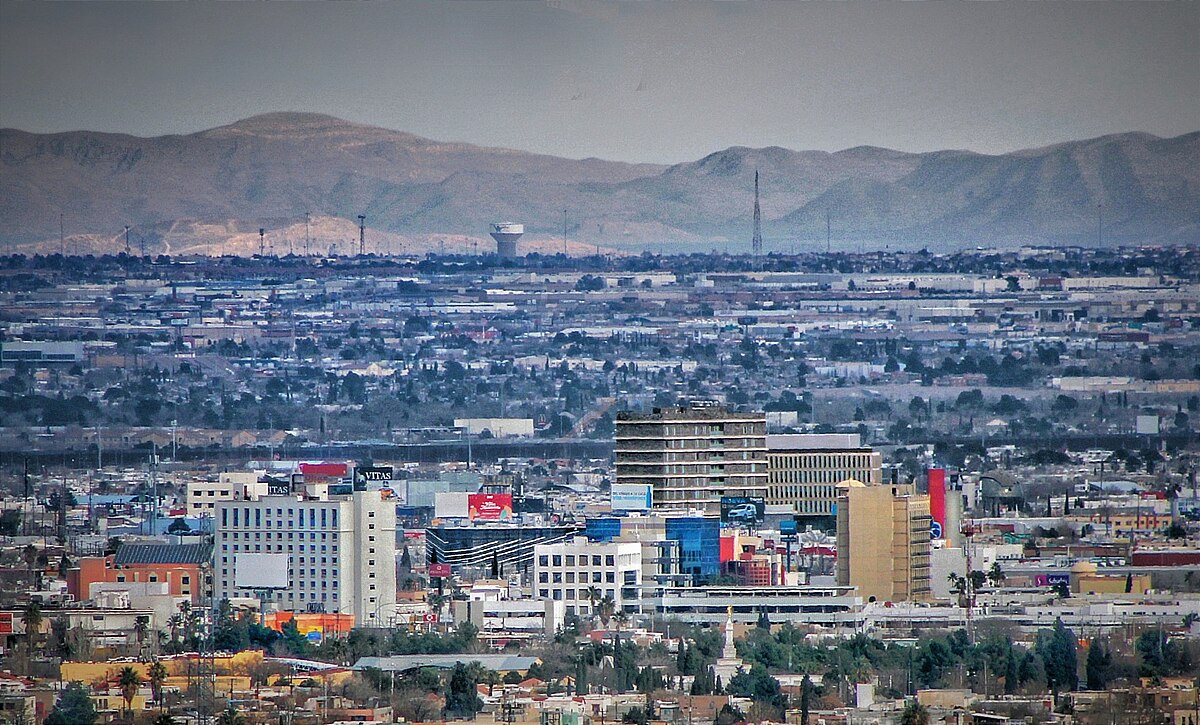
Ciudad Juárez, often simply referred to as Juárez, is the most populous city in the Mexican state of Chihuahua. With an estimated population of 2.5 million people, Juárez serves as the seat of the Juárez Municipality and plays a vital role in the region’s economy and culture. Nestled along the Rio Grande, directly south of El Paso, Texas, Juárez forms part of the El Paso–Juárez metropolitan area, the second largest binational metropolitan area on the Mexico–U.S. border, boasting a combined population of over 3.4 million people.
Historically, the city was known as El Paso del Norte, “The North Pass,” until 1888. Its strategic location along the Rio Grande has always been crucial, serving as a gateway between Mexico and the United States. This location has fostered a unique cultural and economic blend that characterizes the city today.
Ciudad Juárez is connected to El Paso by four major international bridges: the Bridge of the Americas, the Ysleta–Zaragoza International Bridge, the Paso del Norte Bridge, and the Stanton Street Bridge. These bridges are vital conduits for commerce and travel, facilitating nearly 23 million crossings in 2008 alone. This immense traffic underscores Juárez’s importance as a major point of entry and transportation hub for central northern Mexico.
Geographically, Juárez lies in a desert region with a semi-arid climate, experiencing hot summers and mild winters. The city’s layout is a mix of industrial zones, residential neighborhoods, and commercial areas. The Rio Grande’s proximity provides a stark contrast to the arid surroundings, offering a vital water source for both the city’s residents and its agriculture.
Juárez’s economy is dynamic and heavily industrialized, largely driven by the presence of over 300 maquiladoras, or assembly plants. These factories produce goods ranging from electronics to automotive parts, playing a crucial role in the city’s economic landscape. In fact, a 2007 New York Times article highlighted that Juárez was absorbing more new industrial real estate space than any other city in North America at the time. This growth led to Ciudad Juárez being dubbed “The City of the Future” by fDi Magazine in 2008.
Culturally, Juárez is a vibrant city with a rich history influenced by its border location. The blend of Mexican and American cultures is evident in the city’s food, music, and daily life. Festivals and events celebrate this unique cultural fusion, attracting visitors from both sides of the border. Juárez is also known for its lively nightlife, with numerous bars, clubs, and restaurants offering a taste of its dynamic spirit.
Human resources in Juárez are robust, supported by a population that is young and dynamic. Educational institutions, such as the Autonomous University of Ciudad Juárez (UACJ), provide quality education and training, preparing a skilled workforce to meet the demands of its growing industries. The city’s focus on education and workforce development is pivotal in maintaining its economic growth and competitiveness.
Transportation infrastructure in Juárez is well-developed, catering to both its industrial needs and its residents. The city’s road network, public transportation systems, and international bridges ensure efficient movement of goods and people. Recent infrastructure improvements continue to enhance connectivity and reduce congestion, supporting the city’s economic activities and quality of life.
Healthcare services in Juárez are comprehensive, with numerous hospitals, clinics, and healthcare centers providing essential medical care. Both public and private sectors contribute to a well-rounded healthcare system, ensuring that residents have access to necessary services.
In summary, Ciudad Juárez is a city that exemplifies resilience and growth. Its strategic location, robust industrial base, rich cultural heritage, and dynamic population make it a key player on the Mexico–U.S. border. As it continues to evolve, Juárez remains a city of opportunity and promise, contributing significantly to the economic and cultural fabric of the region.
Leave a Reply