


| Country | India |
| Population | 289550 |
| Area | 50 km2 (20 sq mi) |
| Time Zone | UTC+5:30 (IST) |
| Coordinates | 22.96, 76.06 |
| Highest elevation | 535 m (1,755 ft) |
City Gallery




City Description
Dewas, a bustling city in the central Indian state of Madhya Pradesh, is known for its strong industrial base, spiritual heritage, and connection to agriculture. With a population of around 300,000, Dewas sits on the Malwa Plateau, about 35 kilometers from Indore, the largest city in the state. Dewas combines the dynamism of an industrial town with the charm of rural India, surrounded by fertile farmland and steeped in history. This blend of modern industry and traditional values makes Dewas an intriguing place that embodies the resilience and resourcefulness of central India.
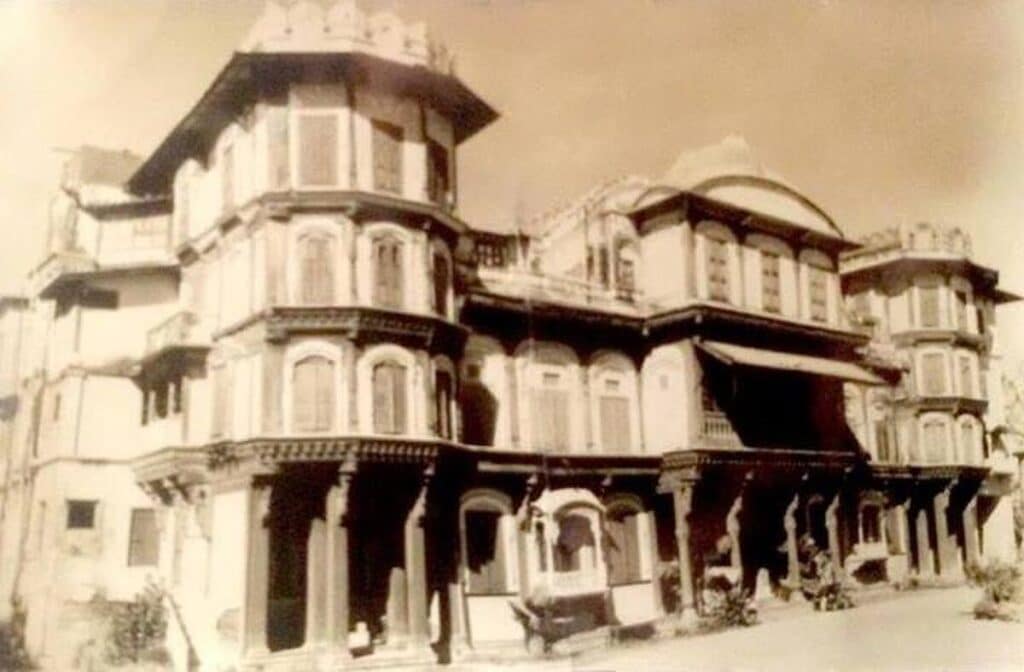
The history of Dewas is steeped in royalty and spirituality. The city was once part of a princely state established by the Maratha Puar dynasty in the 18th century. The Maharajas of Dewas ruled for centuries, and their legacy remains visible in the form of grand palaces, temples, and other historic structures. Dewas also has a unique historical division; it was governed by two rulers known as “Dewas Senior” and “Dewas Junior,” an arrangement that gave the city a distinctive dual monarchy. This legacy of shared governance can still be seen today in local lore and culture. One of Dewas’s most prominent landmarks is the Tekri Hill, which is home to several sacred temples, particularly dedicated to the goddess Chamunda, making it a popular pilgrimage site for devotees from around the region.
Geographically, Dewas is located on the Malwa Plateau, an area known for its rich, black soil, which is ideal for agriculture. The region’s elevation, at about 1,800 feet above sea level, gives Dewas a relatively moderate climate compared to other parts of central India. Summers can be hot, with temperatures soaring above 40°C (104°F), while winters are mild, averaging around 10°C (50°F). The city receives its rainfall during the monsoon season, typically between June and September, and this water is crucial for the agricultural lands surrounding Dewas. The city is also positioned near the Chambal and Shipra rivers, which play a key role in supporting local agriculture and providing water to both urban and rural areas.
Culturally, Dewas is a vibrant center that celebrates traditional Indian festivals with enthusiasm and color. The most significant event in the city is Navratri, a nine-day festival celebrating the goddess Durga, with Tekri Hill becoming a focal point for pilgrims and celebrations. During this time, thousands of devotees climb the hill to pay homage to the goddess Chamunda Mata, with the entire hill lit up and filled with the sounds of prayers and folk music. Dewas is also known for its skilled artisans, particularly in the area of leatherwork and metal crafts, which are sold in local markets and bazaars. The food culture in Dewas reflects the flavors of Malwa, with dishes like *poha*, *jalebi*, and *dahi vada* being local favorites. Street food is popular, and the city’s food stalls offer everything from spicy *chaat* to traditional sweets, making Dewas a haven for food lovers.
Human resources in Dewas are spread across various sectors, with many residents working in agriculture, industry, and local trade. Agriculture remains the backbone of Dewas’s economy, with crops like soybean, wheat, and cotton being widely cultivated in the surrounding areas. Additionally, the city has a growing industrial base, with large-scale manufacturing units and factories providing employment opportunities. Dewas is home to the famous Bank Note Press, which produces currency notes for India, and this facility alone provides jobs to thousands in the city. Many residents also work in small businesses, contributing to the local economy through retail shops, services, and small-scale manufacturing. Education is growing in importance here, with several schools and colleges providing vocational training that supports the city’s industrial workforce, ensuring that the younger generation is equipped for future opportunities.
Economically, Dewas is one of the key industrial hubs in Madhya Pradesh, thanks to its strategic location near Indore and strong industrial sector. The Dewas Industrial Area, established in the late 20th century, has attracted a variety of industries, including textile, pharmaceutical, food processing, and engineering companies. This industrial zone has led to job creation and economic growth, positioning Dewas as a significant contributor to the regional economy. The presence of the Bank Note Press, which produces currency notes, has also contributed to the city’s economy, with a sizable workforce employed in this high-security facility. Agriculture continues to play a significant role in the economy, with Dewas’s fertile land producing large quantities of soybean, wheat, and pulses, which are traded in local and regional markets. The average income in Dewas varies, with industrial jobs typically offering higher wages compared to agriculture, yet the city’s affordable cost of living allows residents to maintain a comfortable lifestyle.
Infrastructure in Dewas has been improving over the years, with good road connectivity linking it to Indore, Ujjain, and other key cities in Madhya Pradesh. The city is well-connected by the national and state highways, making it easy for both goods and people to move in and out of Dewas. The Dewas railway station is a part of the Western Railway zone and provides regular train services to cities across India, while Indore Airport, just a short drive away, offers air connectivity to major domestic destinations. Public transportation within the city includes buses, auto-rickshaws, and shared tempos, making it easy to get around. Basic services like water and electricity are generally reliable, though rural areas can still face occasional shortages. Healthcare services have been expanding, with hospitals and clinics available to serve the local population, though residents often travel to Indore for more specialized treatments.
Recreation in Dewas often centers around the natural beauty and spiritual sites of the area. Tekri Hill, with its temples and panoramic views of the city, is a popular spot for locals and visitors, especially during festivals when the atmosphere is lively and celebratory. The Chamunda Devi Temple atop Tekri Hill is an essential place of worship and a tranquil spot for meditation. Dewas also has several parks and green spaces where families gather for relaxation and picnics. The Sayaji Dwarka Waterpark is another attraction, providing a fun day out for families looking to escape the summer heat. For shopping, the local markets and bazaars are lively places where vendors sell everything from fresh produce to handicrafts, clothing, and religious items. These markets reflect the character of Dewas, filled with the vibrant colors, smells, and sounds of everyday life.
Dewas is a city that balances its industrial progress with deep-rooted tradition. The combination of economic strength, cultural heritage, and religious significance creates a city that is both industrious and welcoming. Whether you’re climbing Tekri Hill to take in the views, exploring the local markets, or simply savoring a plate of *poha jalebi* at a food stall, Dewas offers a genuine taste of life in Madhya Pradesh. It’s a city where history, faith, and hard work come together, creating a unique place with a character all its own. With its growing economy, spiritual appeal, and friendly community, Dewas remains a significant and inspiring part of central India.
Leave a Reply