


| Country | India |
| Population | 581409 |
| Time Zone | UTC+5:30 (IST) |
| Coordinates | 23.55, 87.32 |
| Highest elevation | 65 m (213 ft) |
City Gallery


City Description
Durgapur, often referred to as the “Steel City of India,” is one of the fastest-growing industrial hubs in eastern India. Nestled in the state of West Bengal, it’s located about 170 kilometers northwest of Kolkata, making it a key urban center in the region. With a population of around 620,000 people as of 2023, Durgapur has evolved from a planned industrial township into a thriving city that’s buzzing with energy and opportunity. Known for its wide roads, green spaces, and laid-back lifestyle, Durgapur is a city that beautifully balances its industrial prowess with a comfortable, community-driven way of life.
Geographically, Durgapur is located on the eastern banks of the Damodar River, which plays a significant role in shaping the city’s landscape and economy. The city is relatively flat, sitting at an elevation of about 65 meters (213 feet) above sea level. The climate here is tropical, with hot summers where temperatures can soar to 40°C (104°F) in May, and mild winters averaging around 15°C (59°F) in January. The monsoon season, from June to September, brings substantial rainfall, with the city receiving around 1,300 mm annually, keeping the surroundings lush and green.
Durgapur’s history is closely tied to India’s post-independence industrialization. It was one of the planned cities established during the 1950s as part of the country’s drive for economic self-reliance. The city was developed with the help of British planners and engineers, with the goal of turning it into an industrial powerhouse. The foundation of the Durgapur Steel Plant, which was set up in collaboration with the British, marked the beginning of the city’s transformation. Since then, Durgapur has grown to become one of the most important industrial cities in eastern India, contributing significantly to the state’s economy.
Culturally, Durgapur is a melting pot of traditions, with people from different parts of India calling it home. The city has a cosmopolitan vibe, but it also holds on to its Bengali roots, especially when it comes to celebrating festivals. Durga Puja, the most significant festival in West Bengal, is celebrated with great fervor here, with colorful pandals, traditional music, and elaborate rituals. Other festivals like Diwali, Holi, and Eid are also celebrated with equal enthusiasm, reflecting the city’s diverse population. The city’s cultural calendar is filled with events like music concerts, theater performances, and local fairs, keeping the community spirit alive.
When it comes to food, Durgapur offers a delightful mix of flavors. The city’s cuisine is heavily influenced by Bengali culinary traditions, so you’ll find plenty of delicious fish dishes, sweets like *rosogolla* and *sandesh*, and spicy curries. Street food is also a big part of the local food scene, with vendors selling everything from *puchkas* (pani puri) to *kathi rolls* and *momo*. For those looking for a more international palate, the city has a growing number of cafes and restaurants that serve Chinese, South Indian, and North Indian dishes.
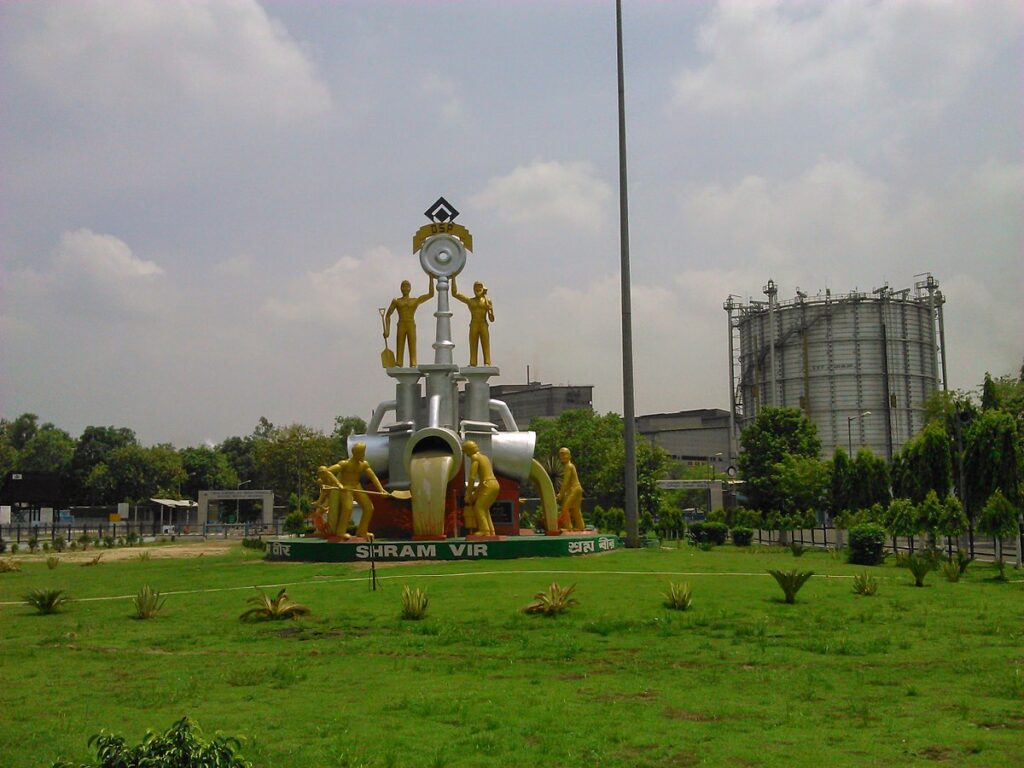
Economically, Durgapur is driven by its industrial base, which includes steel, power, and chemical industries. The Durgapur Steel Plant, owned by Steel Authority of India Limited (SAIL), is one of the city’s largest employers, providing jobs to thousands of residents. Other major industrial units include the Durgapur Thermal Power Station, Alloy Steel Plant, and various cement and chemical factories. The presence of these industries has helped Durgapur develop into a well-planned urban center, with good infrastructure and public amenities.
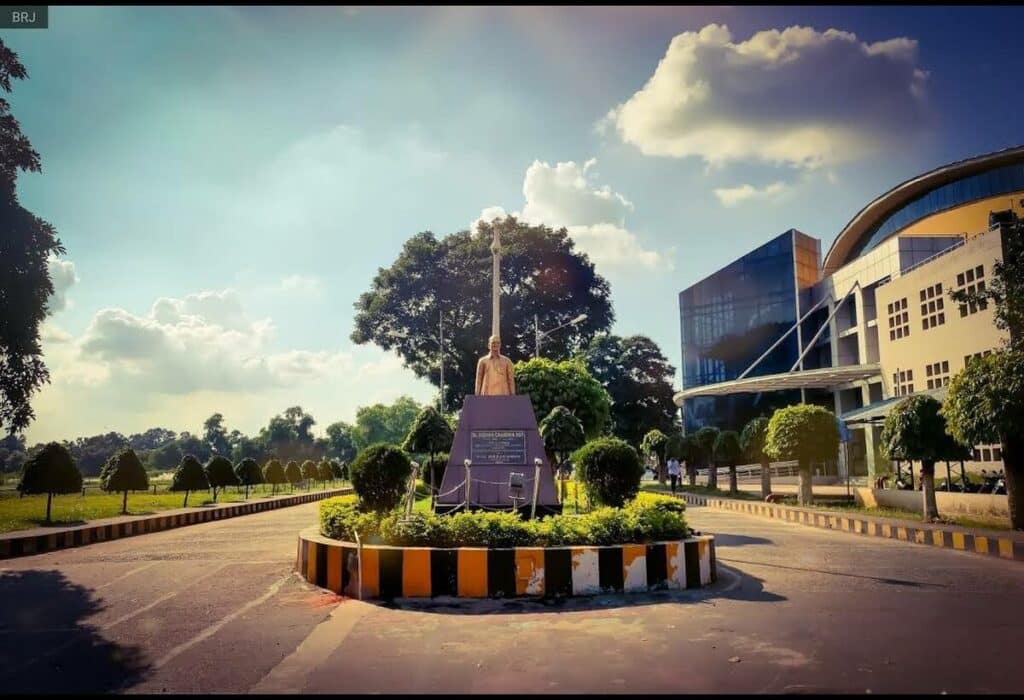
In recent years, the local government has been actively working to diversify the city’s economy. Durgapur has seen growth in the IT and education sectors, with the establishment of several tech parks and educational institutions. The city is home to prominent institutes like the National Institute of Technology (NIT) Durgapur, which attracts students from all over the country. The presence of universities and technical colleges has created a skilled workforce, supporting the city’s growth in sectors beyond traditional manufacturing.
Human resources in Durgapur are shaped by its strong focus on education and training. The city’s numerous schools, colleges, and vocational institutes produce a steady stream of skilled graduates, particularly in fields like engineering, business, and information technology. The influx of students and young professionals has also led to a vibrant social scene, with new cafes, shopping centers, and entertainment options cropping up in the city.
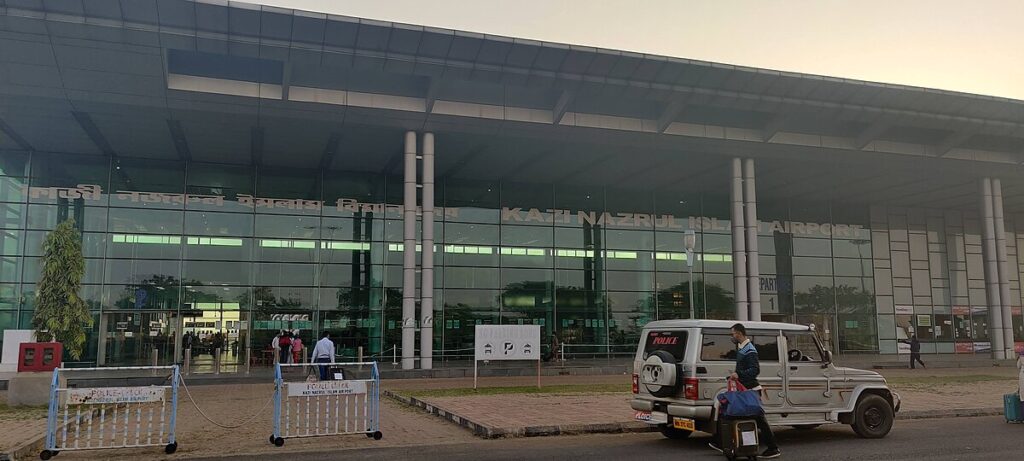
Transportation in Durgapur is well-connected, both within the city and to other parts of West Bengal and India. The city is served by the Grand Trunk Road (NH-19), which connects it to Kolkata and other major cities. The Durgapur railway station is a busy junction on the Howrah-Delhi main line, offering regular trains to cities like Kolkata, Patna, and New Delhi. For air travel, the Kazi Nazrul Islam Airport, located about 15 kilometers away in Andal, connects Durgapur to major Indian cities like Delhi and Mumbai. Within the city, public transportation includes buses, auto-rickshaws, and app-based cab services, making it easy to get around.
The quality of life in Durgapur is relatively high, especially compared to other industrial towns in India. The city’s planned layout, with wide roads, green spaces, and well-maintained parks, makes it a pleasant place to live. The Central Park and Nehru Stadium are popular spots for residents to relax, jog, or play sports. The Damodar River offers scenic views and is a favorite spot for evening strolls. The city is also known for its affordable housing, which attracts families looking for a quieter life away from the chaos of larger metropolitan areas.
Despite its industrial roots, Durgapur is focusing on sustainability and green initiatives. The local government has been promoting tree planting, waste management, and water conservation projects to ensure that the city’s growth remains sustainable. There are also plans to expand public transportation options and improve road infrastructure to handle the city’s growing traffic.
The people of Durgapur, known as *Durgapurians*, are friendly, hardworking, and community-oriented. Life here revolves around family, festivals, and community gatherings. The city’s markets, like Benachity Bazaar and City Centre, are always bustling with activity, especially during the festive season. Shopping for traditional Bengali sarees, handicrafts, and local sweets is a popular pastime, and the markets offer a mix of old-world charm and modern retail.
Durgapur is a city that beautifully balances its industrial strength with a strong sense of community and culture. Whether you’re exploring the city’s green parks, enjoying a plate of spicy Bengali fish curry, or simply walking along the banks of the Damodar River, Durgapur offers a unique blend of tradition and modernity. It’s a city that continues to grow and evolve while staying true to its roots, making it a fascinating place to live, work, or visit in the heart of West Bengal.
Leave a Reply