

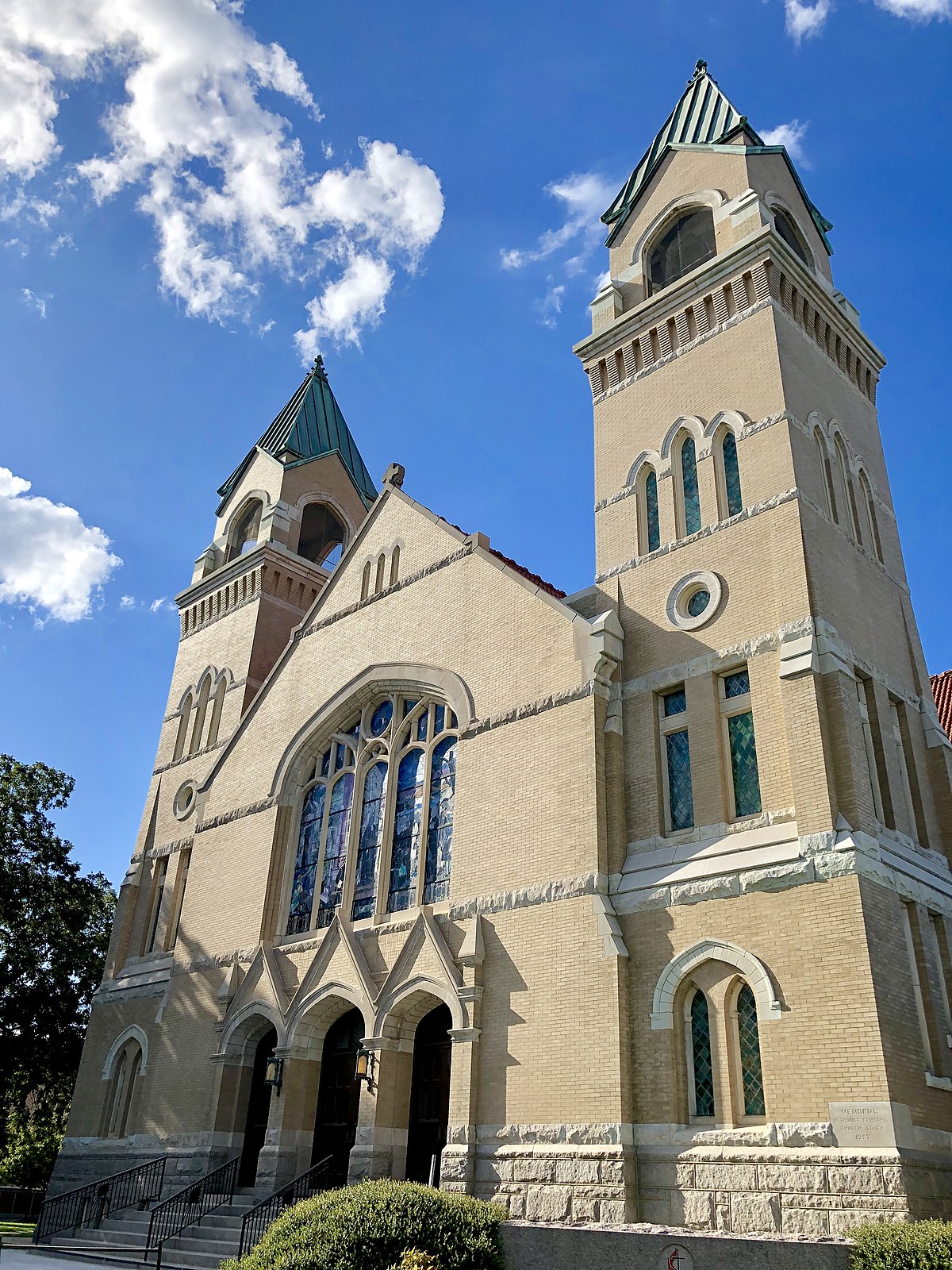
| Country | United States |
| Population | 283506 |
| Area | 116.19 sq mi (300.92 km2) |
| Time Zone | UTC−5 (EST) |
| Coordinates | 35.978611111111114, -78.9 |
| Highest elevation | 404 ft (123 m) |
City Gallery




City Description
Durham, North Carolina, a lively city in the heart of the Research Triangle, is known for its blend of Southern charm, academic prowess, and booming tech scene. With a population of around 280,000, Durham has evolved from a historic tobacco town to a major hub for education, healthcare, and technology. Located just a short drive from Raleigh and Chapel Hill, Durham’s proximity to these cities makes it an integral part of the Research Triangle area, one of the fastest-growing regions in the United States.
Durham’s history dates back to the early 18th century, but it was the tobacco industry that truly put it on the map. In the late 1800s, the American Tobacco Company, founded by the Duke family, transformed Durham into a bustling tobacco town, with factories and warehouses lining its streets. This boom led to Durham’s growth as a commercial center and brought significant wealth to the area, fueling the development of Duke University in the early 20th century. While the tobacco industry declined over the years, Durham has continued to thrive, transitioning into a center for education, research, and innovation. Today, the old tobacco warehouses and factories have been beautifully repurposed into lofts, offices, restaurants, and shops, especially in the popular American Tobacco Historic District.
Geographically, Durham is located in the Piedmont region of North Carolina, with gently rolling hills, forests, and rivers. The city enjoys a mild climate, with hot summers where temperatures average around 88°F (31°C) and cooler winters, with temperatures typically dipping to about 30°F (-1°C). Durham’s natural beauty is highlighted by its green spaces, including Eno River State Park, which offers scenic hiking trails along the river, and the Sarah P. Duke Gardens, a 55-acre botanical garden on the Duke University campus that is one of the most popular spots in the city. These parks and green spaces contribute to Durham’s appeal as a place where residents and visitors alike can enjoy the outdoors.
Durham’s culture is a vibrant mix of old and new, with a strong sense of community and pride in its local heritage. The city’s art scene is thriving, with the Durham Performing Arts Center (DPAC) hosting Broadway shows, concerts, and comedy performances, and the Nasher Museum of Art showcasing a range of contemporary and historical art. The music scene is lively, particularly for jazz, blues, and indie rock, with local venues like The Pinhook and Motorco Music Hall drawing crowds for live performances. Food is another highlight in Durham, with the city often dubbed a “foodie haven” thanks to its farm-to-table restaurants, diverse food trucks, and celebrated Southern cuisine. Local favorites like chicken and waffles, shrimp and grits, and Carolina-style barbecue can be found throughout the city’s restaurants and eateries.
In terms of human resources, Durham has a highly educated workforce, thanks largely to Duke University, North Carolina Central University (NCCU), and nearby institutions like the University of North Carolina at Chapel Hill. About 50% of adults in Durham hold a bachelor’s degree or higher, one of the highest rates in the region, and the area is known for its research, healthcare, and technology expertise. Duke University is a major employer, particularly in its medical center and research facilities, as well as NCCU, a historically Black university that contributes significantly to the city’s academic and cultural landscape. The concentration of talent and education has also made Durham a magnet for young professionals in the tech and biotech fields.
Economically, Durham is booming, with a diverse economy driven by education, healthcare, and technology. Known as a key part of the Research Triangle, Durham is home to the Research Triangle Park (RTP), one of the largest and oldest research parks in the world, hosting over 300 companies and employing more than 55,000 people. Major employers in the area include tech giants like IBM, Cisco, and Fidelity Investments, as well as biotech and pharmaceutical companies such as Biogen and GSK. The average household income in Durham is around $60,000, and the city’s tech and research-driven economy has brought in a steady stream of high-paying jobs, pushing growth in the real estate and service sectors. The cost of living, while slightly higher than the national average, remains affordable compared to larger tech hubs, making Durham an attractive place for both work and lifestyle.
Infrastructure in Durham is well-developed, with easy access to major highways like I-85 and I-40, connecting it to Raleigh, Chapel Hill, and other parts of North Carolina. The Durham Station Transportation Center provides public transit options through GoDurham, and the Raleigh-Durham International Airport (RDU) offers convenient air travel with flights to destinations across the country and internationally. Within the city, the Bull City Connector, a free bus service, links key points around downtown and the universities, making it easy for residents and students to get around. Healthcare facilities are top-notch, with Duke University Medical Center and several other hospitals and clinics providing comprehensive services to the community.
Recreation in Durham offers something for everyone, from sports fans to nature lovers. Basketball is a big part of local life, with the Duke Blue Devils drawing intense support from fans in Durham and beyond. Baseball is also popular, with the Durham Bulls, a Triple-A team, playing at the Durham Bulls Athletic Park—a must-visit spot for sports enthusiasts. The city’s parks, trails, and river access make it ideal for hiking, cycling, and kayaking, with Eno River State Park and the American Tobacco Trail offering miles of scenic trails. Festivals like the Full Frame Documentary Film Festival, Art of Cool jazz festival, and Bull City Food & Beer Experience add to Durham’s lively community calendar, attracting thousands of visitors and showcasing local talent.
Durham’s transformation from a tobacco town to a tech and research hub is a testament to its resilience and adaptability. Today, it stands as a city that values its roots while embracing innovation, offering a unique blend of historical charm and forward-thinking development. Whether exploring the revitalized tobacco warehouses, catching a live performance at DPAC, or hiking along the Eno River, Durham invites you to experience its dynamic spirit. With a welcoming community, strong economy, and vibrant cultural scene, Durham is a city that truly captures the essence of the modern South, combining tradition and progress in a way that feels refreshingly authentic and full of potential.
Leave a Reply