

| Country | Germany |
| Population | 584580 |
| Area | 210.34 km2 (81.21 sq mi) |
| Time Zone | UTC+01:00 (CET) |
| Coordinates | 51.45657, 7.01228 |
| Highest elevation | 116 m (381 ft) |
City Gallery


City Description
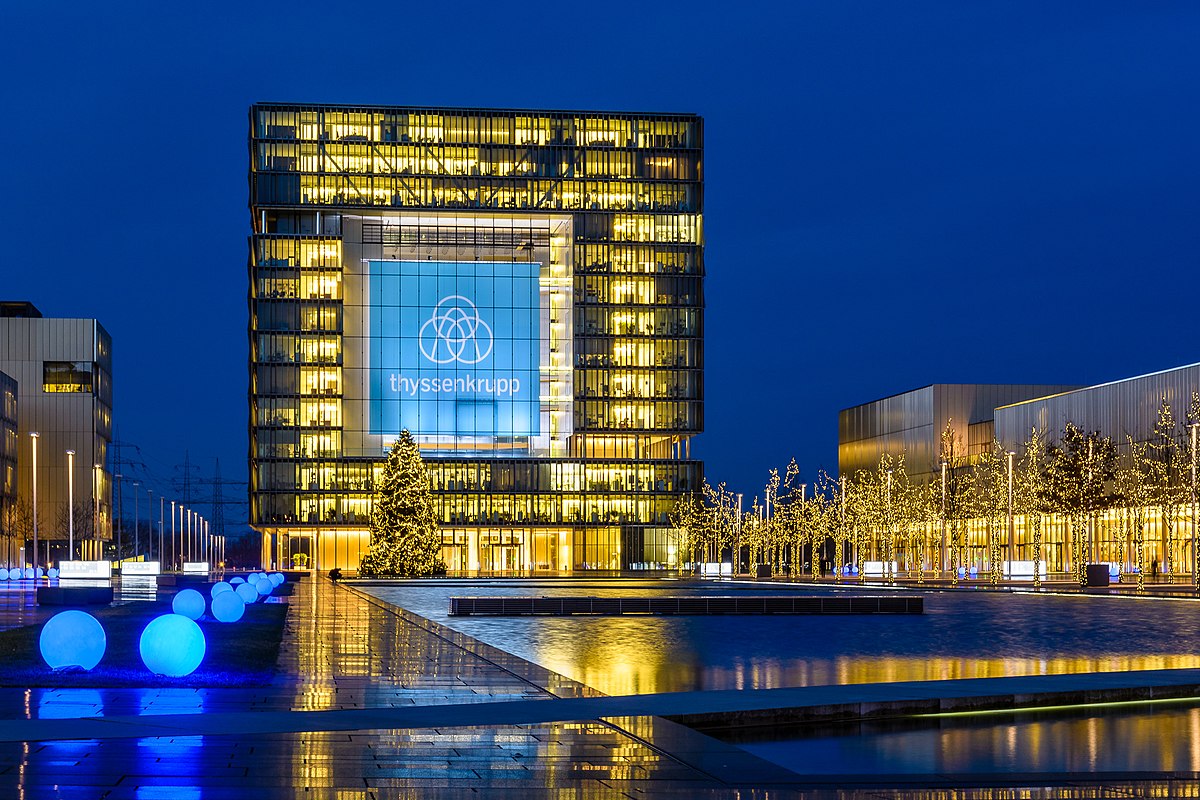
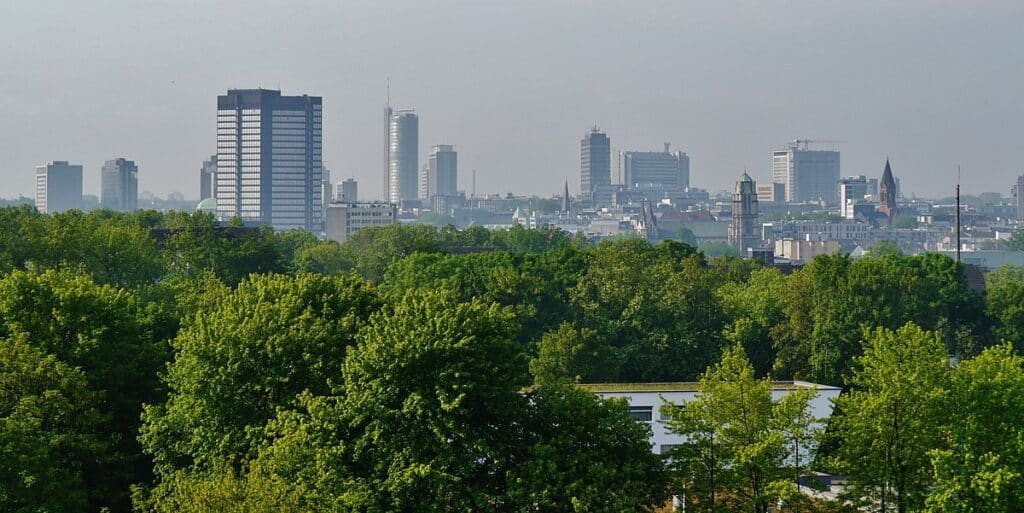
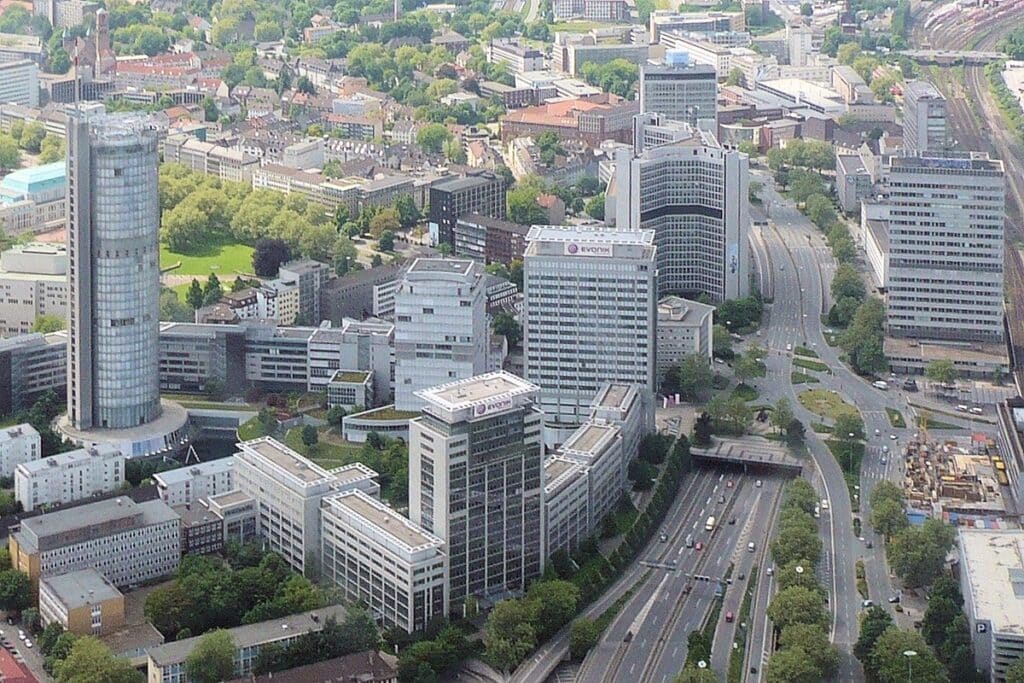
Essen, a vibrant city in the heart of Germany’s Ruhr area, stands out as the central and second-largest city of this sprawling urban region, trailing only Dortmund in size. As of the latest figures, Essen boasts a population of around 584,580, ranking it as the fourth-largest city in North Rhine-Westphalia and the ninth-largest in Germany. Nestled within the Rhine-Ruhr metropolitan region, which is the second-largest in Europe by GDP, Essen is often referred to as the Ruhr’s “secret capital” due to its central role in the area.
Geographically, Essen is positioned between the Emscher River to the north and the Ruhr River to the south. The Ruhr is dammed to create significant reservoirs, such as Lake Baldeney and Lake Kettwig, which are integral to the city’s landscape. Historically, Essen’s central and northern parts are within the Low German (Westphalian) dialect area, while the southern region falls under the Low Franconian Bergish dialect.
Essen’s development has been profoundly influenced by its industrial history. Founded around 845, the city was initially a small settlement under the influence of Essen Abbey, an important ecclesiastical principality. However, the onset of industrialization in the 19th century marked a turning point, with Essen rapidly evolving into a major center for coal and steel production. The Krupp family’s iron works played a pivotal role in this transformation, establishing Essen as a key industrial hub.
The city’s economic landscape is marked by its status as Germany’s energy capital. It houses major energy corporations such as E.ON and RWE, making it a significant player in the energy sector. Essen is home to several of Germany’s largest publicly held companies, including three that are listed on the DAX stock index.
Essen’s cultural and educational contributions are equally notable. The Folkwang University of the Arts and the Zollverein School of Management and Design are prominent institutions in the city. Additionally, the Red Dot Design Award, one of the most prestigious design awards globally, is based in Essen, highlighting the city’s influence in the arts and design fields.
The University of Duisburg-Essen, formed in 2003 from the merger of the universities of Essen and Duisburg, serves as a major educational institution in the city. It includes campuses in both cities and operates a university hospital in Essen, further cementing the city’s role as a key educational and research center.
In 1958, Essen was designated the seat of the Roman Catholic Diocese of Essen, also known as Ruhrbistum, which underscores the city’s importance in the region’s religious landscape.
Despite its historical roots, Essen’s transformation from a small town to an industrial powerhouse and now a leading city in the energy sector and higher education illustrates its dynamic evolution. The city’s ability to blend its rich industrial heritage with a focus on modern innovation and cultural development highlights its significance in both the historical and contemporary context.
Leave a Reply