

| Country | Brazil |
| Population | 258248 |
| Area | 617.70 km2 (238.5 sq mi) |
| Time Zone | UTC-3 (UTC-3) |
| Coordinates | -25.540000000000003, -54.587500000000006 |
| Highest elevation | 164 m (538 ft) |
City Gallery




City Description
Foz do Iguaçu, located in the southwestern corner of Brazil in the state of Paraná, is a city that blends natural wonders, cultural diversity, and bustling tourism. Known for being the gateway to the spectacular Iguaçu Falls, one of the largest and most stunning waterfall systems in the world, Foz do Iguaçu attracts millions of visitors annually. With a population of around 260,000 as of 2023, it is not just a hub for nature lovers but also a thriving multicultural city, given its strategic location at the tri-border area of Brazil, Argentina, and Paraguay.
The history of Foz do Iguaçu dates back to the late 19th century when it was primarily inhabited by indigenous groups, including the Guarani people. The city was officially founded in 1914, and its development took off with the construction of infrastructure projects like the Iguaçu Falls National Park in the 1930s, which aimed to protect the natural beauty of the area while making it accessible for tourism. The construction of the Itaipu Dam in the 1970s, one of the largest hydroelectric power plants in the world, further transformed Foz do Iguaçu into an important economic and energy hub. The dam not only provides electricity for Brazil and Paraguay but also supports the city’s economy through jobs and tourism, as the structure itself is a popular tourist attraction.
Geographically, Foz do Iguaçu is situated at the confluence of the Iguaçu and Paraná rivers, right where Brazil, Argentina, and Paraguay meet. This unique location gives the city a distinct international flavor and provides easy access to its neighboring cities of Puerto Iguazú (Argentina) and Ciudad del Este (Paraguay). The climate is subtropical, with hot, humid summers where temperatures can soar above 35 degrees Celsius, and mild winters that average around 15 degrees. The rainy season, from October to March, brings heavy rains that feed the Iguaçu River, creating the dramatic flow of the falls and turning the surrounding rainforest lush and green.
The culture of Foz do Iguaçu is a melting pot of influences, shaped by the city’s diverse population. The tri-border area is home to a significant number of immigrants from all over the world, including Lebanese, Chinese, and Italian communities, who have contributed to the city’s rich cultural tapestry. This diversity is evident in the city’s culinary scene, where you can find everything from Brazilian barbecue to Middle Eastern dishes, reflecting the various communities that call Foz home. The city is also known for its vibrant events, such as the Iguaçu Latin Festival, which celebrates Latin American music, dance, and food, bringing together people from across the region.
The city’s most iconic cultural symbol, however, is the Iguaçu Falls, a UNESCO World Heritage site and one of the new Seven Natural Wonders of the World. The falls are made up of 275 individual cascades spread over nearly 3 kilometers, with the most famous being the Garganta do Diabo (Devil’s Throat), a powerful, U-shaped chasm that sends water plunging down with an incredible roar. The national park surrounding the falls is home to a rich biodiversity, including jaguars, toucans, and colorful butterflies, making it a paradise for nature enthusiasts and photographers.
Foz do Iguaçu’s economy is driven by tourism, energy production, and commerce. The city attracts over 2 million visitors each year, drawn primarily by the Iguaçu Falls, the Itaipu Dam, and the tri-border experience. This influx of tourists supports a wide range of businesses, including hotels, restaurants, travel agencies, and souvenir shops. The city’s hospitality industry is well-developed, with accommodations ranging from luxury resorts like the Belmond Hotel das Cataratas, located within the national park, to budget-friendly hostels catering to backpackers.
The Itaipu Dam is another critical pillar of the city’s economy. The dam, which spans the Paraná River and is shared between Brazil and Paraguay, generates a significant amount of hydroelectric power—enough to supply about 15% of Brazil’s electricity and nearly 90% of Paraguay’s needs. It also provides jobs for thousands of residents and is a major source of revenue. Additionally, the dam is a tourist attraction in its own right, offering guided tours that showcase its massive turbines and stunning nighttime light shows.
Foz do Iguaçu’s strategic location at the tri-border area also makes it a hub for commerce and trade. The city benefits from cross-border shopping and business opportunities with Argentina and Paraguay, particularly in Ciudad del Este, known for its duty-free shopping zones. Many visitors take advantage of the easy border crossings to shop for electronics, clothing, and other goods, supporting local and regional economies. The city’s transportation infrastructure, including an international airport with connections to major Brazilian cities and other South American destinations, facilitates this flow of goods and people, further boosting the local economy.
The human resources of Foz do Iguaçu are diverse, with many residents working in tourism, energy, and retail sectors. The city’s multicultural population provides a variety of language skills and cultural expertise, which are essential in a city that serves tourists and business travelers from around the world. Educational institutions such as the Universidade Estadual do Oeste do Paraná (UNIOESTE) and the Universidade Federal da Integração Latino-Americana (UNILA) contribute to the city’s skilled workforce. UNILA, in particular, plays a crucial role in promoting international cooperation and education in the region, offering programs that attract students from across Latin America. These institutions help train professionals in fields like environmental studies, tourism management, and engineering, aligning with the city’s economic needs and promoting sustainable development.
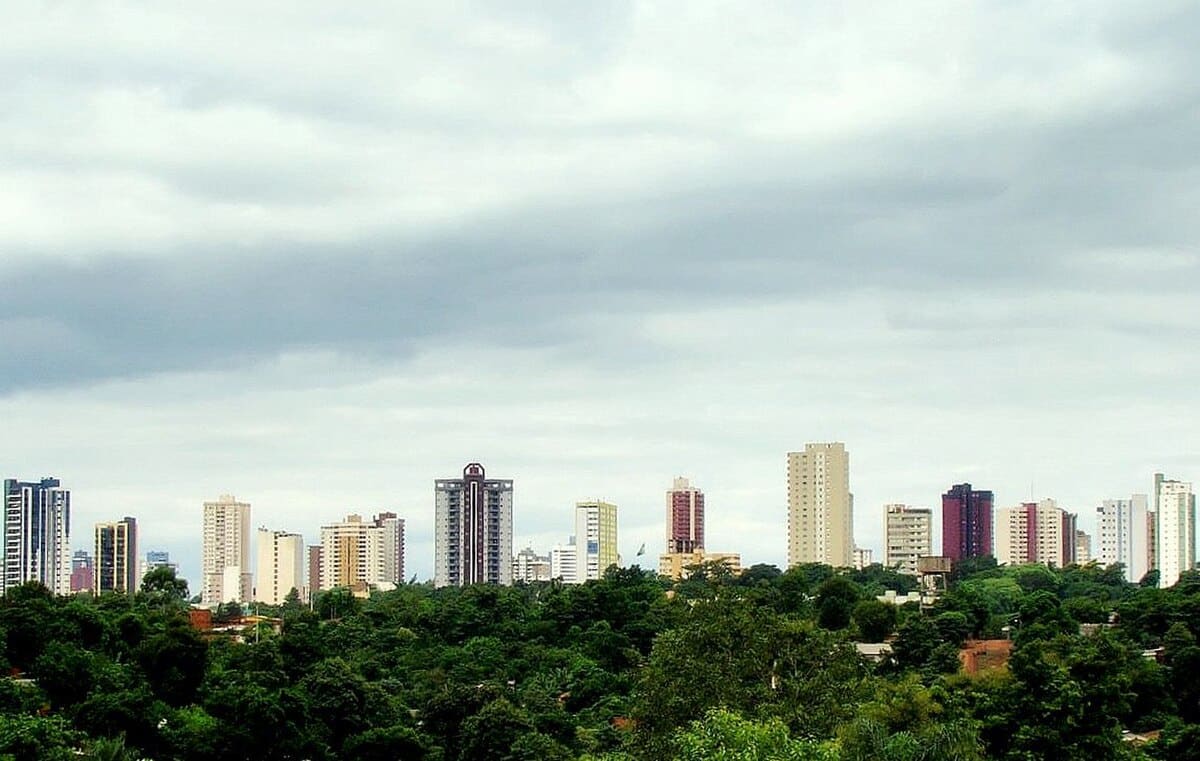
Real estate in Foz do Iguaçu is diverse, reflecting the city’s blend of urban and natural settings. In the city center, you’ll find modern apartment buildings and commercial areas, while the outskirts feature more suburban neighborhoods with houses and green spaces. The average property price in Foz do Iguaçu is relatively affordable compared to larger Brazilian cities like São Paulo or Rio de Janeiro, making it an attractive option for those looking to live in a city with access to natural beauty and urban amenities. The growth of tourism has also led to an increase in vacation rentals and investment properties, particularly near the city’s major attractions and the tri-border area.
Transportation in Foz do Iguaçu is well-organized, with an efficient road network and public transit system that supports both residents and tourists. The city’s international airport, Foz do Iguaçu/Cataratas International Airport, is just 13 kilometers from the city center, making it convenient for travelers. The airport offers flights to key destinations like São Paulo, Rio de Janeiro, and Buenos Aires, ensuring that the city remains well-connected to the rest of Brazil and South America. Buses are a common mode of transportation within the city and to neighboring towns, with routes connecting major points of interest such as the Iguaçu Falls, the Itaipu Dam, and the border crossings.
Green spaces and outdoor activities are integral to life in Foz do Iguaçu. Beyond the national park, the city features a range of parks and natural reserves, such as the Bosque Guarani Zoo, which provides a family-friendly experience and a chance to see local wildlife. The city also has several hiking trails and eco-parks where visitors can explore the lush landscapes of the Atlantic Forest. The Itaipu Dam’s Biological Refuge is another highlight, offering tours that focus on wildlife conservation and the preservation of the region’s biodiversity. These green areas not only attract tourists but also offer residents a chance to enjoy outdoor activities and connect with nature.
Tourism in Foz do Iguaçu remains the city’s most significant economic driver, and local authorities are continuously working to enhance its appeal while preserving its natural heritage. The Iguaçu Falls National Park implements sustainable tourism practices, including restricted visitor numbers and eco-friendly transportation options, to minimize environmental impact. The city also promotes cultural tourism through its festivals, including events like the Trinational Festival, which celebrates the unique blend of cultures at the tri-border area. These efforts help support local businesses, boost employment, and ensure that Foz do Iguaçu remains a top destination for visitors from around the globe.
Despite its many strengths, Foz do Iguaçu faces challenges, particularly in managing infrastructure and balancing growth with environmental conservation. As the city continues to develop and attract more tourists, the pressure on its transportation systems and natural resources increases. Local government and organizations are investing in sustainable practices, such as promoting eco-tourism and enhancing public transportation options, to ensure that the city’s growth remains balanced and environmentally friendly.
Foz do Iguaçu is a city that thrives on its natural beauty, cultural diversity, and strategic location. From the awe-inspiring power of Iguaçu Falls to the bustling energy of its tri-border markets, it offers a unique blend of nature, commerce, and international flavor. Whether you’re exploring the trails of the national park, enjoying a boat ride near the falls, or learning about the massive power generated by the Itaipu Dam, Foz do Iguaçu provides an unforgettable experience that highlights the best of Brazil’s southern frontier.
Leave a Reply