


| Country | Philippines |
| Population | 450583 |
| Area | 90.01 km2 (34.75 sq mi) |
| Time Zone | UTC+8 (PST) |
| Coordinates | 14.383333333333333, 120.88333333333334 |
| Highest elevation | 53 m (174 ft) |
City Gallery





City Description
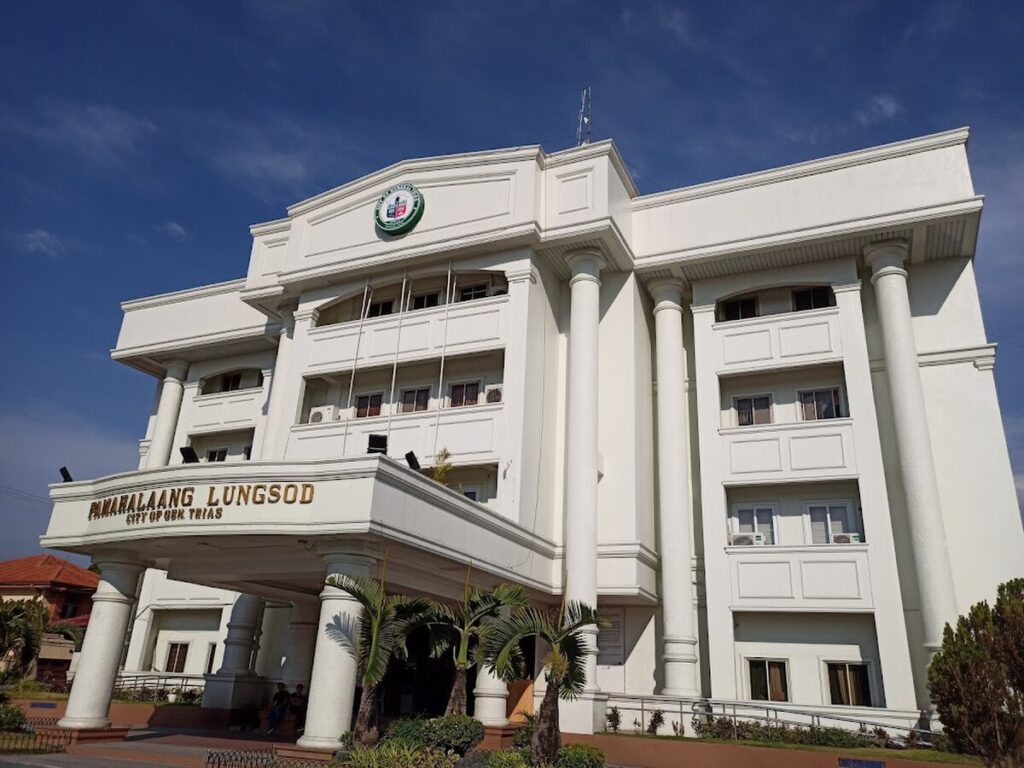
General Trias, a rapidly developing city in the province of Cavite, Philippines, is known for its dynamic growth, rich history, and blend of urban and rural charm. Located about 35 kilometers south of Manila, it covers an area of around 81 square kilometers and is home to a population of approximately 450,000 people based on recent estimates. With its strategic location in the heart of Cavite, General Trias has transformed from a quiet agricultural town into one of the fastest-growing cities in the region, driven by a mix of residential, commercial, and industrial developments.
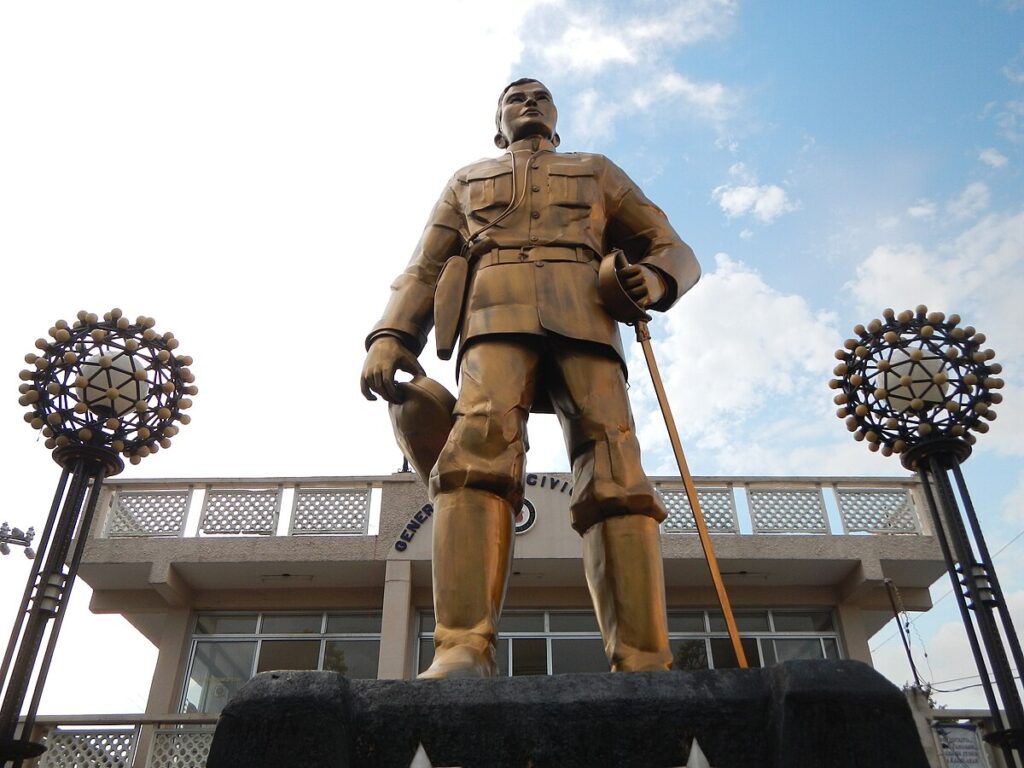
The history of General Trias is steeped in significant historical events, especially during the Spanish colonial era. Originally known as San Francisco de Malabon, it was renamed General Trias in honor of General Mariano Trias, a revolutionary leader who played a key role in the Philippine fight for independence. In 1897, it was here that the revolutionary government, led by Emilio Aguinaldo, declared General Trias as one of the first towns to revolt against Spanish rule. This deep connection to the nation’s fight for independence is commemorated by the General Trias Monument and other historical markers scattered throughout the city.
Geographically, General Trias enjoys a strategic position within Cavite, with easy access to Metro Manila and nearby provinces. The city’s terrain is generally flat with a few rolling hills, making it ideal for both residential communities and agricultural lands. The climate is typically tropical, with temperatures ranging from 24°C to 32°C (75°F to 89°F) year-round. The wet season spans from June to November, bringing heavy rains that are essential for the city’s agricultural areas, while the dry months from December to May are perfect for outdoor activities and exploring its growing number of parks and green spaces.
Culturally, General Trias is a blend of traditional Filipino values and modern influences, shaped by its historical roots and rapid urbanization. The people of General Trias, known as Triaños, are warm, hospitable, and deeply rooted in their traditions. The city celebrates several local festivals, including the “Valenciana Festival” held every September to honor the city’s patron saint, St. Francis of Assisi. This festival is named after “Arroz Valenciana,” a traditional dish that originated from the city and is often served during festive occasions. The festival features parades, street dancing, and various cultural activities that bring the community together.
General Trias also takes pride in its culinary offerings, which include both traditional Filipino dishes and international cuisines. Local eateries serve favorites like “lumpiang sariwa” (fresh spring rolls), “sinigang na baboy” (pork sour soup), and “bibingka” (rice cake). The city’s markets are bustling with fresh produce, seafood, and delicacies that reflect the rich agricultural background of the region. With the influx of new residents and businesses, food parks and restaurants have sprung up, offering a wide array of dining options that cater to diverse tastes.
Human resources in General Trias are characterized by a youthful and skilled workforce. The city has a literacy rate of about 98%, reflecting its focus on education. Several universities and colleges, such as the Lyceum of the Philippines University – Cavite Campus and Cavite State University – General Trias Campus, provide quality education and technical training. These institutions produce graduates in various fields, especially in business, information technology, and healthcare. The city’s median age is around 25 years, highlighting a young population that is actively contributing to the city’s economic growth.
Economically, General Trias has experienced rapid development in the past two decades, becoming a key player in the Calabarzon (Cavite, Laguna, Batangas, Rizal, Quezon) region’s economic landscape. The city’s economy was traditionally driven by agriculture, with vast tracts of land used for growing rice, sugarcane, and vegetables. However, in recent years, it has shifted towards industry and commerce, thanks to the establishment of several industrial estates, such as the Gateway Business Park and the Cavite Economic Zone. These zones host manufacturing plants and export-oriented companies, generating thousands of jobs and significantly boosting the local economy.
The rise of residential subdivisions, shopping centers, and business districts has transformed General Trias into a bustling city. In 2023, the city’s economy was estimated to be worth over 30 billion PHP (around 530 million USD), with industry and real estate contributing significantly to its GDP. The presence of major shopping malls like Robinsons Place General Trias and The District Dasmariñas has also spurred the growth of the retail sector. The influx of new residents, attracted by affordable housing and proximity to Metro Manila, has driven demand for more commercial and service-oriented businesses.
Tourism in General Trias is also on the rise, with visitors coming to explore its historical sites, parks, and recreational facilities. The General Trias City Plaza, with its charming colonial architecture, is a popular spot for locals and tourists alike. The Eagle Ridge Golf and Country Club, one of the largest golf courses in the country, attracts golf enthusiasts from all over the Philippines. For nature lovers, the nearby Mount Palay-Palay National Park offers hiking trails and scenic views, perfect for a weekend getaway.
Infrastructure in General Trias has significantly improved, driven by investments in road networks, public utilities, and transportation. The completion of the Cavite-Laguna Expressway (CALAX) and the Manila-Cavite Expressway (CAVITEX) has made travel to and from Metro Manila more convenient, reducing travel time and attracting more businesses to set up shop in the city. Public transportation includes jeepneys, buses, and tricycles, though there are ongoing plans to modernize the system to accommodate the city’s growing population. The local government has allocated nearly 25% of its annual budget to infrastructure projects, focusing on road expansions, flood control systems, and public health facilities.
Sustainability is becoming an important focus for General Trias as it continues to urbanize. The city has launched several green initiatives, including waste management programs, tree-planting campaigns, and the promotion of eco-friendly practices in schools and communities. The local government is also working with private developers to incorporate green spaces and sustainable designs in new residential and commercial projects. As part of its vision to become a smart city, General Trias is exploring the use of digital technologies to improve public services, reduce traffic congestion, and enhance the quality of life for its residents.
General Trias is also embracing the digital economy, with more businesses adopting online platforms for sales, marketing, and customer service. The rise of e-commerce and online payment systems has made it easier for local entrepreneurs to reach customers beyond the city’s borders. Additionally, the city is supporting the growth of small and medium enterprises (SMEs) through training programs in digital marketing, entrepreneurship, and business management.
The people of General Trias are resilient and community-oriented, making the city a welcoming place for both locals and newcomers. Despite its rapid urbanization, the city has managed to retain its close-knit, small-town vibe. Community events, town hall meetings, and volunteer programs are common, reflecting the strong sense of civic engagement among its residents. The local government, led by proactive leaders, is committed to ensuring that the city’s growth is sustainable and inclusive, with a focus on improving healthcare, education, and social services.
Whether you’re exploring the city’s historical landmarks, enjoying a leisurely stroll through its parks, or savoring the local cuisine at one of its bustling food markets, General Trias offers a unique blend of tradition and progress. It’s a city that has managed to balance its rich cultural heritage with modern conveniences, making it one of the most attractive places to live, work, and visit in Cavite. As General Trias continues to grow, it stands as a testament to the resilience and adaptability of its people, looking forward to a bright future while honoring its storied past.
Leave a Reply