

| Country | Canada |
| Population | 348634 |
| Area | 5,475.57 km2 (2,114.13 sq mi) |
| Time Zone | UTC−04:00 (AST) |
| Coordinates | 44.6475, -63.59055555555556 |
| Highest elevation | 241.9 m (793.6 ft) |
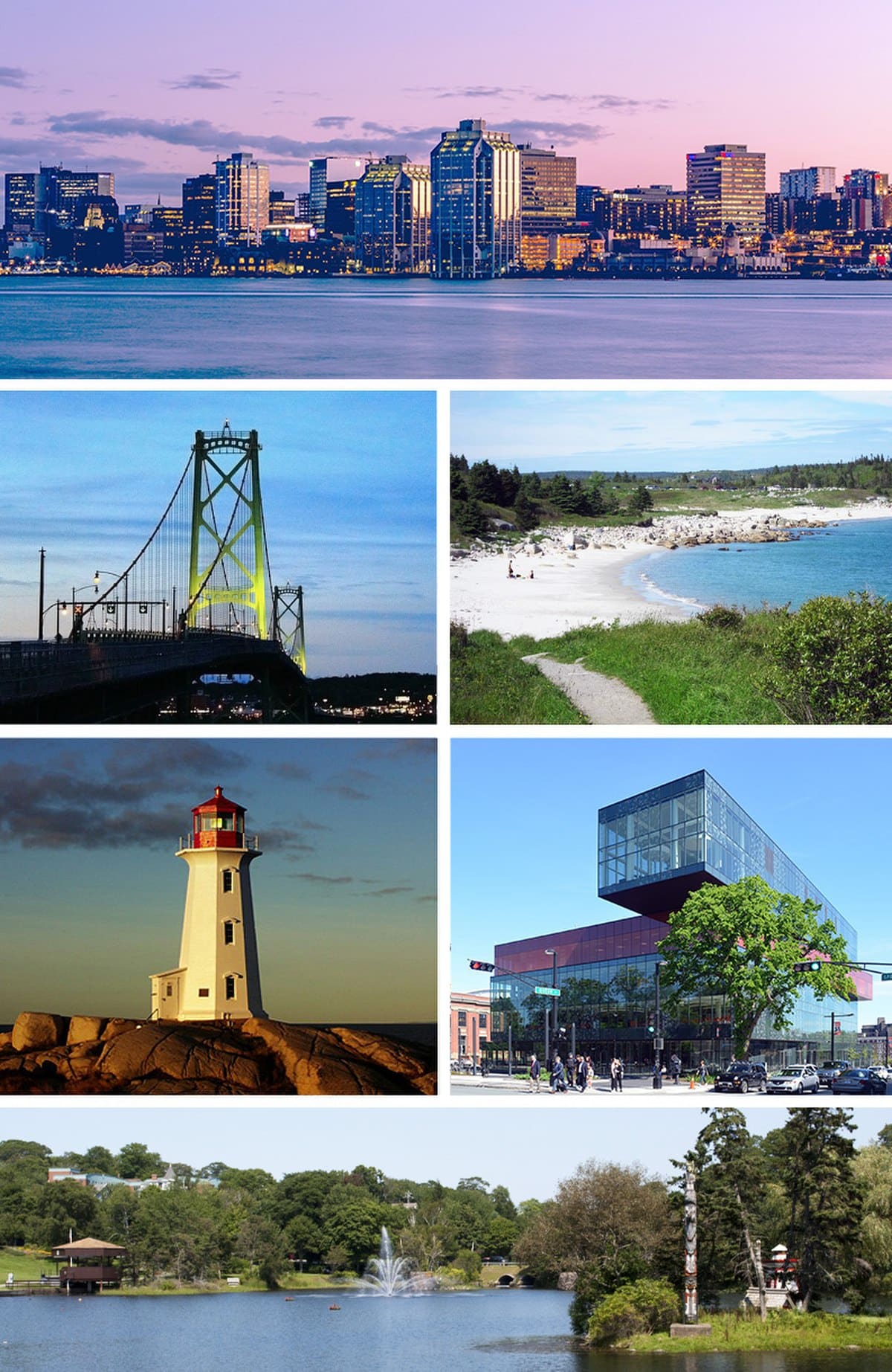
City Gallery




City Description
Halifax, nestled along the eastern coast of Canada, is the capital city of Nova Scotia and the largest city in the Atlantic provinces. With a population of over 450,000 people spread across the Halifax Regional Municipality (HRM), it’s a vibrant, historic, and fast-growing city. Covering an expansive area of nearly 5,500 square kilometers, it might seem like a sprawling metropolis, but the actual urban core is compact and bustling. Halifax’s population density is around 77 people per square kilometer, though this figure is much higher in the downtown area, where most of the action happens.
Halifax has a rich history dating back to its founding in 1749 by the British, primarily as a military outpost. This strategic location on the Atlantic Ocean made it a key naval base, and over the centuries, Halifax has played significant roles in various historical events, including the American Revolution, the World Wars, and the Halifax Explosion of 1917—one of the largest non-nuclear explosions in history. The city’s history is still visible in its architecture, with historical buildings like the Halifax Citadel, a star-shaped fortress overlooking the harbor, and the cobbled streets of the Historic Properties, a reminder of its maritime past.
Geographically, Halifax is beautifully set on one of the world’s largest natural harbors, with a coastline stretching over 150 kilometers. This proximity to the Atlantic Ocean shapes much of the city’s character. The climate in Halifax is a mix of maritime and continental influences, with relatively mild winters compared to other Canadian cities and warm, pleasant summers. Average temperatures in the winter hover around -5°C, while summer temperatures typically reach 23°C. Snowfall can be heavy, especially in January and February, but thanks to the Gulf Stream, the weather is more temperate than you might expect for Canada.
The culture in Halifax is a unique blend of traditional maritime influences and a modern, cosmopolitan vibe. The city has a reputation for being friendly, laid-back, and community-oriented. Music is an integral part of life here, with Halifax known as a hub for East Coast music. Live music venues like The Carleton and The Seahorse Tavern host local bands, while festivals such as the Halifax Jazz Festival and the Atlantic Film Festival draw crowds from all over. The people of Halifax, known as Haligonians, are proud of their city’s deep-rooted traditions but are also open to new influences, making it a melting pot of culture.
The human resources in Halifax are diverse and highly educated, thanks in part to the presence of several universities and colleges, including Dalhousie University, Saint Mary’s University, and the Nova Scotia College of Art and Design (NSCAD). The city’s student population is significant, with around 30,000 students attending post-secondary institutions, contributing to a vibrant, youthful energy in the city. The literacy rate in Halifax is high, around 98%, with a skilled workforce that spans industries from technology to healthcare to creative arts. Halifax’s economy benefits from this pool of talent, with many graduates choosing to stay in the city due to its quality of life and growing job market.
The economy of Halifax is dynamic, driven by key sectors such as government services, education, healthcare, and the increasingly significant technology sector. The Port of Halifax is one of the deepest and largest ice-free harbors in the world, handling over 10 million tons of cargo annually, making it a critical gateway for Atlantic trade. Halifax’s GDP stands at around CAD 20 billion, and the unemployment rate is consistently lower than the national average, hovering around 5.5% as of recent reports. The city has also been focusing on innovation, with tech startups and green energy projects gaining traction in recent years. The Halifax Shipyard, part of Irving Shipbuilding, has become a cornerstone of economic activity, with billions invested in building Canada’s next fleet of naval vessels.
Transportation in Halifax is well-organized, with Halifax Stanfield International Airport serving as the main air hub, handling over 4.3 million passengers annually. The city’s public transit system, Metro Transit, includes buses and ferries, with plans underway to expand services to meet the needs of its growing population. The city’s compact downtown core is highly walkable, and cycling is becoming increasingly popular thanks to new bike lanes and cycling infrastructure. Traffic congestion can be an issue, particularly on the two bridges connecting Halifax Peninsula to Dartmouth, but the city is investing in sustainable transportation solutions to address this.
Halifax is known for its high quality of life, blending urban amenities with easy access to nature. Residents enjoy numerous parks, beaches, and hiking trails within easy reach, including Point Pleasant Park, the Halifax Public Gardens, and the scenic trails around McNabs Island. The city is also surrounded by picturesque coastal towns like Peggy’s Cove, famous for its lighthouse, and Lunenburg, a UNESCO World Heritage site. Outdoor activities are a big part of life here, with locals taking advantage of the ocean for kayaking, sailing, and fishing.
The real estate market in Halifax has been booming in recent years, driven by an influx of people moving from other parts of Canada in search of a more relaxed lifestyle. The average price of a home in Halifax has reached approximately CAD 550,000 as of 2024, which, while still more affordable than cities like Toronto or Vancouver, has been steadily rising. Neighborhoods like South End, North End, and Bedford are particularly popular, offering a mix of historic homes, modern condos, and suburban family houses. The city is also seeing a surge in new condo developments, particularly around the waterfront.
Food is a significant part of Halifax’s cultural fabric, with seafood playing a starring role. The city is renowned for its fresh Atlantic lobster, Digby scallops, and mussels. Don’t miss the iconic “Halifax donair,” a local take on the traditional Middle Eastern shawarma, featuring spiced beef, tomatoes, onions, and a signature sweet garlic sauce wrapped in pita. The Halifax Seaport Farmers’ Market, one of the oldest continuously operating markets in North America, is a must-visit for fresh produce, baked goods, and crafts from local artisans.
Safety and community are strong in Halifax, with the city consistently ranking as one of the safest in Canada. The crime rate is relatively low, and the local government has been proactive in maintaining public safety through initiatives like community policing and neighborhood watch programs. The city also places a strong emphasis on disaster preparedness, particularly for winter storms and coastal flooding.
In recent years, Halifax has made strides in sustainability, with a focus on green spaces, renewable energy projects, and waste reduction initiatives. The city’s “HalifACT” climate action plan aims to reduce greenhouse gas emissions by 75% by 2030, with long-term goals for a net-zero future by 2050. Community gardens, solar panel installations, and electric vehicle charging stations are becoming more common as the city works towards these ambitious targets.
Halifax may not have the sheer size of Canada’s biggest cities, but it offers a unique blend of historical charm, modern conveniences, and a close-knit community feel. It’s a city where old-world character meets new-world innovation, where you can enjoy a waterfront walk in the morning, attend a lively music festival in the afternoon, and cap off your evening with fresh seafood at a cozy restaurant. For those seeking a balance between urban living and natural beauty, Halifax is a city that truly has it all.
Leave a Reply