

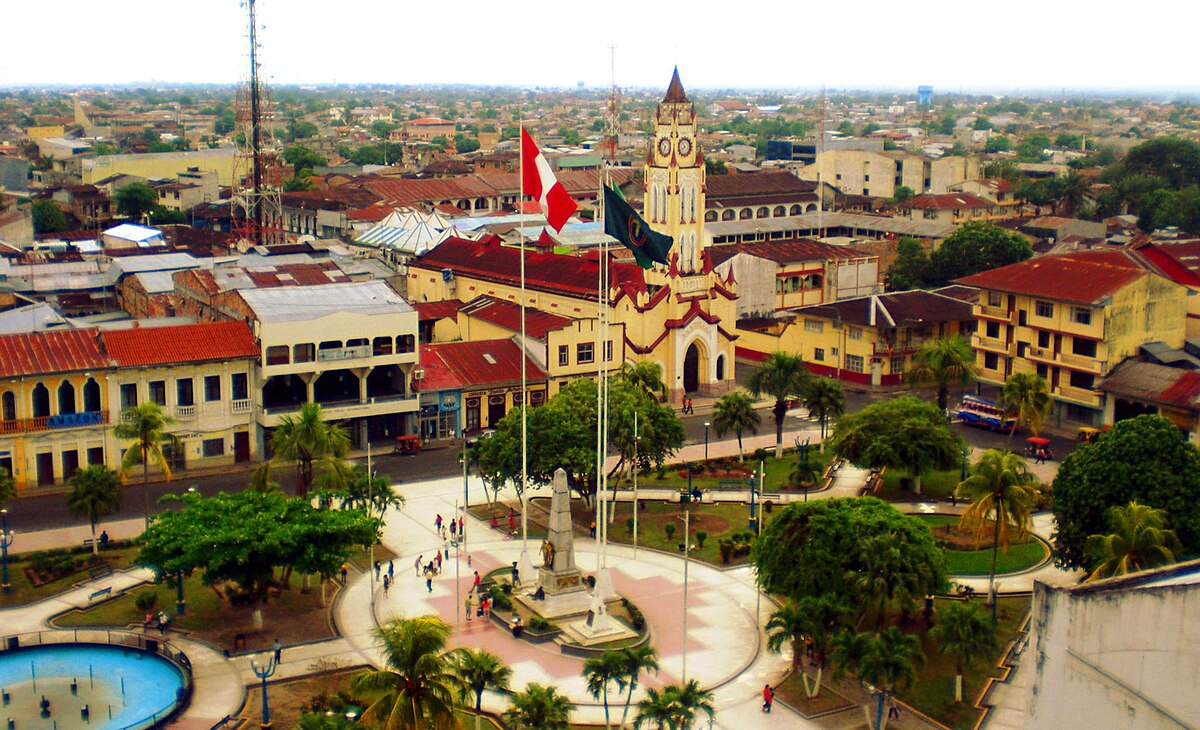
| Country | Peru |
| Population | 491000 |
| Area | 1,213 km2 (468.5 sq mi) |
| Time Zone | UTC-5 (PET) |
| Coordinates | -3.75, -73.25 |
| Highest elevation | 104 m (341 ft) |
City Gallery




City Description
Iquitos, often called the “Capital of the Peruvian Amazon,” is one of the most fascinating and unique cities in Peru. Nestled deep within the Amazon rainforest, it’s the largest city in the world that cannot be reached by road. With a population of approximately 500,000 people, Iquitos covers an area of about 368 square kilometers. The city is accessible only by river or air, which gives it a sense of isolation and mystery that draws adventurers from around the world looking to experience the heart of the Amazon.
The history of Iquitos dates back to the 18th century when it was a small Jesuit mission settlement. It wasn’t until the rubber boom in the late 19th and early 20th centuries that the city truly flourished. The rubber barons turned Iquitos into a wealthy and bustling port city, attracting traders and immigrants from Europe, particularly Spain, Portugal, and Italy. This era left behind a legacy of beautiful architecture, such as the Iron House (Casa de Fierro), reportedly designed by Gustave Eiffel. However, after the collapse of the rubber industry, Iquitos faced economic hardships, but it has since reinvented itself as a gateway to the Amazon and a center for eco-tourism.
Geographically, Iquitos is situated on the banks of the Amazon River, close to its confluence with the Nanay and Itaya rivers. The city’s location deep within the Amazon basin means that it is surrounded by dense, biodiverse rainforests. The climate is hot and humid year-round, with average temperatures ranging between 24°C and 32°C. The city receives abundant rainfall, with an average of 2,800 millimeters annually, particularly between November and May. This tropical climate creates lush surroundings, and the constant humidity gives Iquitos its characteristic atmosphere of steamy rainforests and vibrant greenery.
Culturally, Iquitos is a melting pot of indigenous, mestizo, and immigrant influences, giving it a unique character that’s different from the Andean and coastal regions of Peru. The people of Iquitos, known as *Iquiteños*, are warm, friendly, and deeply connected to their Amazonian roots. The city is known for its lively festivals, such as the Fiesta de San Juan in June, which celebrates the region’s patron saint with music, dance, and traditional foods like *juane* (a rice and chicken dish wrapped in banana leaves). The Malecón Tarapacá, a riverfront promenade, is a popular spot for locals and visitors to gather, especially at sunset, to enjoy street food, music, and views of the Amazon River.
Human resources in Iquitos are diverse, with many residents working in tourism, fishing, and agriculture. The city has a high literacy rate of around 92%, supported by educational institutions like the Universidad Nacional de la Amazonía Peruana, which specializes in fields like ecology, biology, and environmental sciences. The younger generation is increasingly drawn to eco-tourism and sustainable business ventures as the city leverages its unique position as a gateway to the Amazon rainforest. Many locals are also involved in traditional crafts, producing textiles, wood carvings, and jewelry inspired by indigenous designs, which are sold in markets like the popular Mercado Belén.
Economically, Iquitos is driven by a mix of tourism, fishing, forestry, and trade. The city’s GDP is estimated to be around USD 1.5 billion, with tourism playing a significant role in recent years. Thousands of visitors come to Iquitos each year, drawn by its proximity to the Amazon rainforest, indigenous villages, and the Pacaya-Samiria National Reserve, one of the largest protected areas in Peru. The river port of Iquitos is also a vital commercial hub, facilitating the transport of goods like timber, fish, and agricultural products. However, the city faces economic challenges due to its isolation and reliance on river and air transport, which increases the cost of goods and services.
Transportation in Iquitos is unique due to its lack of road connections to other cities. The only way to reach Iquitos is by boat or plane. The Coronel FAP Francisco Secada Vignetta International Airport connects Iquitos to Lima, Cusco, and other cities in Peru, making air travel the primary mode of access for visitors. Within the city, motorized rickshaws, known locally as *mototaxis*, are the most common form of transportation, creating a constant buzz of activity on the streets. Riverboats are also widely used, especially for trips to remote villages and lodges along the Amazon River.
Healthcare in Iquitos has improved over the years, though it still faces challenges typical of remote areas. The Regional Hospital of Loreto and the Hospital Apoyo Iquitos are the main public healthcare facilities, offering a range of services to residents. In addition, there are smaller clinics and private healthcare providers that cater to both locals and tourists. The city has been focusing on improving healthcare infrastructure, particularly in areas like maternal health, infectious diseases, and emergency response, given its location in the heart of the rainforest.
Housing in Iquitos is a mix of traditional wooden homes on stilts, designed to withstand the frequent flooding during the rainy season, and modern concrete structures in the city center. The Belén neighborhood is famous for its floating houses and bustling market, often referred to as the “Venice of the Amazon.” The real estate market in Iquitos is relatively affordable, with the cost of housing much lower than in larger Peruvian cities like Lima or Arequipa. However, the city’s isolation means that building materials and household goods can be more expensive due to transportation costs.
Food is a major highlight of Iquitos, with a culinary scene that reflects its Amazonian heritage. Local dishes often include exotic ingredients like river fish, plantains, and tropical fruits such as camu camu, açaí, and cocona. *Tacacho con cecina* (fried mashed plantains with smoked pork) and *juane* are popular local dishes that showcase the region’s flavors. The city’s markets, especially Mercado Belén, are bustling with vendors selling everything from fresh fish and jungle herbs to *suri* (edible palm weevils) and exotic fruits. For the adventurous, the market offers a chance to try regional delicacies that are hard to find elsewhere.
Safety in Iquitos is generally good, especially in tourist-friendly areas like the city center and along the Malecón. However, as with any city, it’s advisable to stay vigilant, especially in crowded markets and less-developed areas. Petty crime can be an issue, particularly in busy places like the Belén market. The local police maintain a presence in key tourist spots, and most travelers find Iquitos to be a welcoming and friendly city.
In recent years, Iquitos has been focusing on sustainability and conservation efforts, especially given its proximity to some of the most biodiverse rainforests on the planet. The city has partnered with NGOs and international organizations to promote sustainable tourism, protect indigenous rights, and conserve the Amazon rainforest. Projects aimed at reforestation, wildlife conservation, and reducing plastic waste have gained traction, especially as the world becomes more aware of the importance of protecting the Amazon.
Iquitos is more than just a gateway to the Amazon; it’s a city with its own vibrant soul. Whether you’re exploring the labyrinthine Belén Market, cruising down the Amazon River, or simply enjoying a sunset over the water with a cold *aguajina* (a local fruit drink) in hand, Iquitos offers an experience unlike anywhere else in Peru. It’s a place where nature, culture, and adventure come together, creating a destination that’s as rich and diverse as the rainforest that surrounds it. For those seeking a journey into the heart of the Amazon, Iquitos is a city that promises both discovery and unforgettable memories.
Leave a Reply