


| Country | Rwanda |
| Population | 1745555 |
| Area | 730 km2 (280 sq mi) |
| Time Zone | UTC+2 (CAT) |
| Coordinates | -1.94995, 30.05885 |
| Highest elevation | 1,567 m (5,141 ft) |
City Gallery
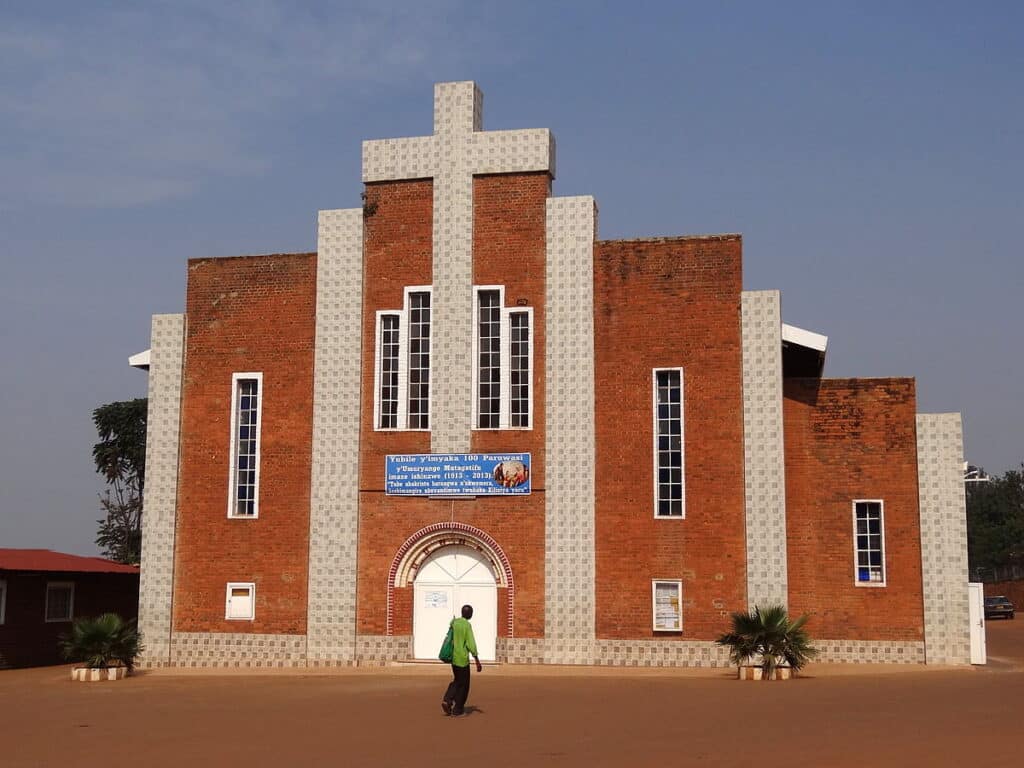


City Description
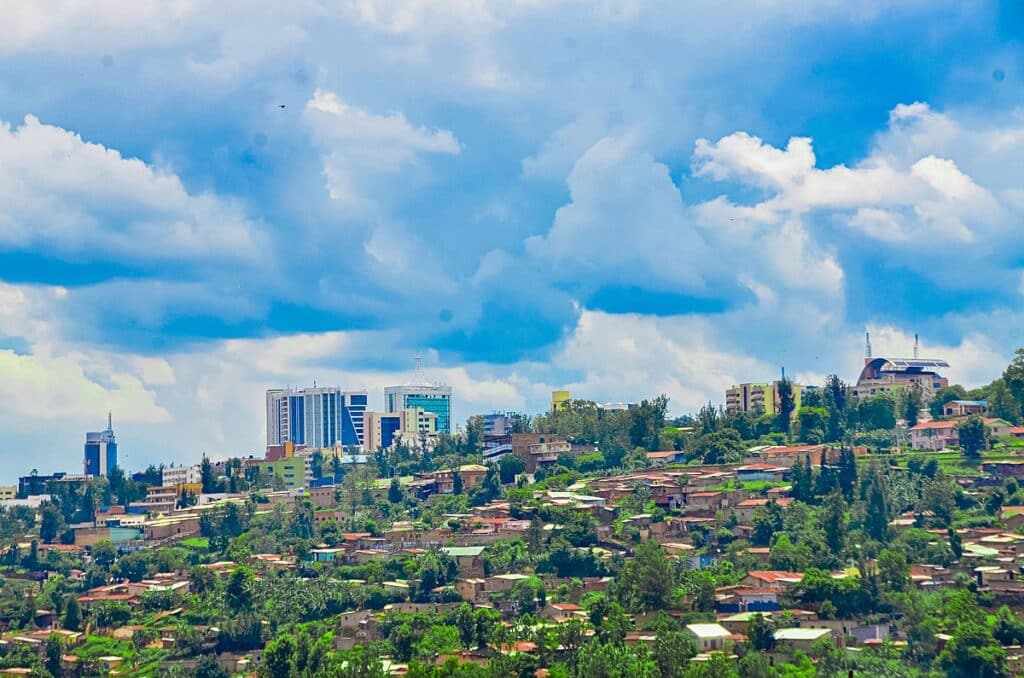
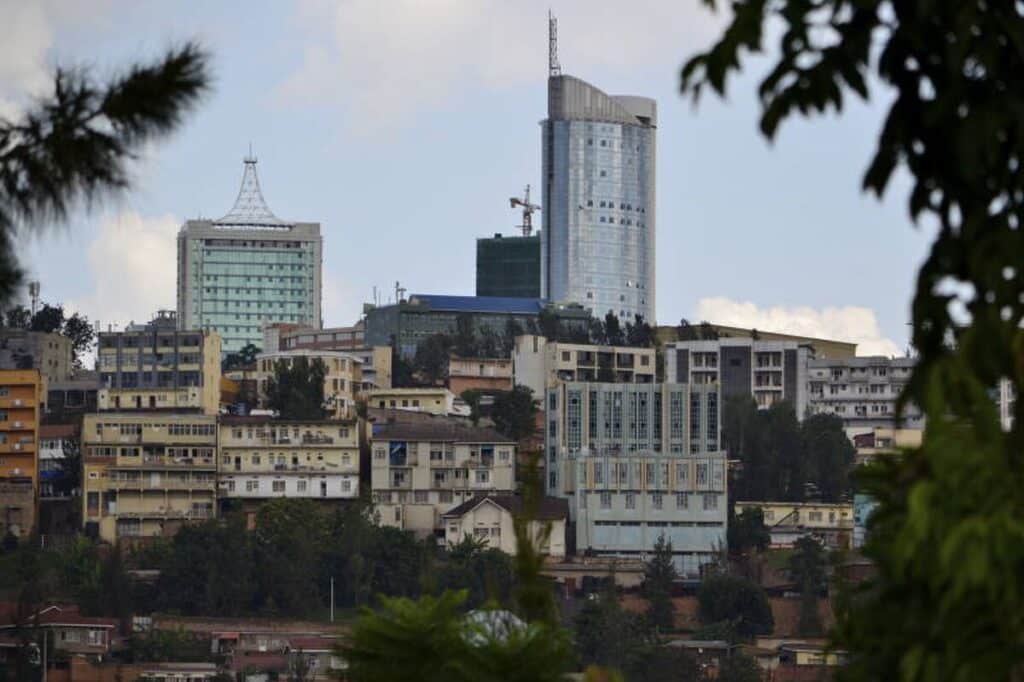
Kigali, Rwanda, is the capital and largest city of this East African nation. Situated near the geographical center of Rwanda, Kigali is nestled in a region characterized by rolling hills, valleys, and ridges connected by steep slopes. As a relatively new city, it has rapidly become Rwanda’s economic, cultural, and transport hub since its founding as an administrative outpost in 1907. Kigali was designated the capital at Rwanda’s independence in 1962, shifting the focus away from Huye.
The city’s history is deeply intertwined with the broader narrative of Rwanda. In the 15th century, the area was under the control of the Kingdom of Rwanda. It later came under German rule at the start of the 20th century. Richard Kandt, the colonial resident, founded Kigali in 1907, choosing its central location for its views and security. During the German era, foreign merchants began trading in Kigali, and government-run schools for Tutsi students were established. Following World War I, Belgium took control of Rwanda and Burundi, forming the mandate of Ruanda-Urundi. Although Kigali remained the administrative seat for Rwanda, the capital for Ruanda-Urundi was in Usumbura (now Bujumbura, Burundi). At the time of Rwanda’s independence, Kigali was a small city with a population of just 6,000.
Kigali’s growth was slow in the decades following independence. The city was not initially affected by the Rwandan Civil War, which began in 1990. However, in April 1994, the situation changed dramatically when President Juvénal Habyarimana’s plane was shot down near Kigali, sparking the Rwandan genocide. Hutu extremists killed an estimated 800,000 to 1,000,000 Tutsi and moderate Hutu nationwide. The Rwandan Patriotic Front (RPF) resumed fighting, ending a ceasefire and gradually taking control of the country, seizing Kigali on July 4, 1994. In the post-genocide period, Kigali has experienced rapid population growth and significant rebuilding.
Today, Kigali is one of the five provinces of Rwanda, with its boundaries set in 2006. It is divided into three districts: Gasabo, Kicukiro, and Nyarugenge. Historically, these districts held significant local governance powers, but reforms in January 2020 transferred much of this power to the city-wide council. The city hosts the main residence and offices of the president of Rwanda, along with most government ministries.
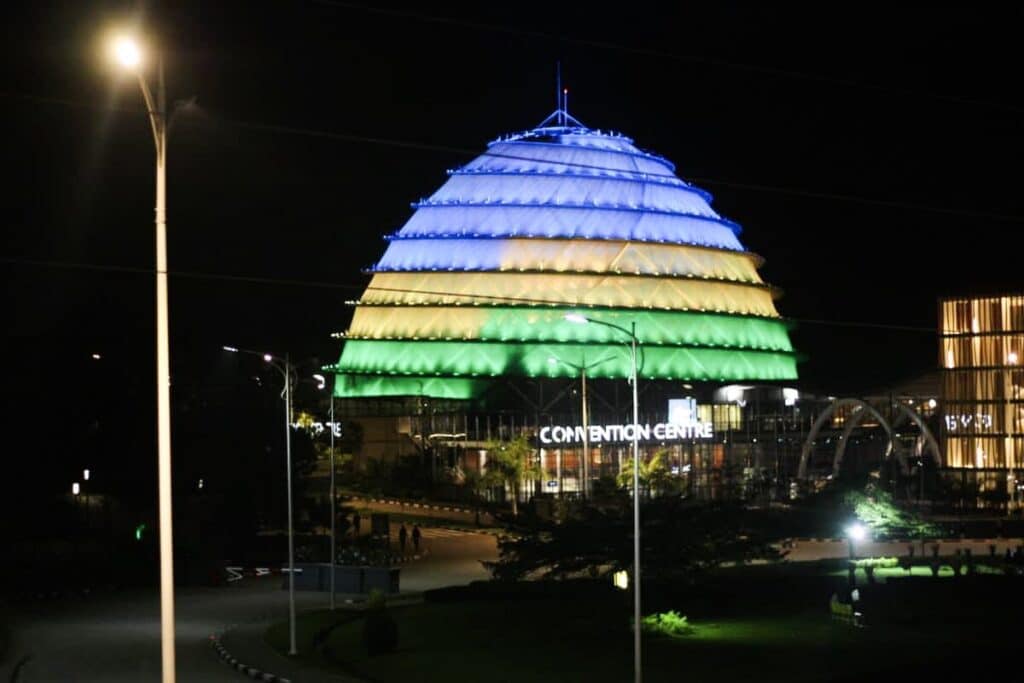
The economy of Kigali is diverse, with the service sector being the largest contributor to the city’s gross domestic product. Despite this, a significant portion of the population is engaged in agriculture, including small-scale subsistence farming. The city authorities prioritize attracting international visitors, focusing on leisure tourism, conferences, and exhibitions. Kigali is known for its cleanliness, safety, and well-organized infrastructure, making it an attractive destination for both tourists and business travelers.
Geographically, Kigali’s picturesque landscape of hills and valleys provides a stunning backdrop for the city. The climate is temperate, with average temperatures ranging from 15°C to 25°C (59°F to 77°F), making it pleasant year-round. The city’s layout and green spaces reflect a blend of urban planning and natural beauty.
Culturally, Kigali is vibrant and diverse. It is a hub for Rwandan art, music, and cultural expression. The Kigali Genocide Memorial stands as a poignant reminder of the country’s past and a symbol of resilience and reconciliation. The city also hosts various cultural festivals, markets, and art galleries that celebrate Rwanda’s rich heritage.
Kigali’s educational institutions play a crucial role in developing human resources. The city is home to several universities and colleges, including the University of Rwanda, which contribute to a skilled and educated workforce. These institutions are vital in driving the city’s economic and social development.
In summary, Kigali is a city of contrasts and resilience. Its rapid growth, strategic location, rich cultural heritage, and dynamic economy make it a fascinating place to explore. Whether delving into its history, enjoying its cultural offerings, or witnessing its economic progress, Kigali offers a unique and enriching experience for residents and visitors alike.
Leave a Reply