


| Country | Philippines |
| Population | 606293 |
| Area | 32.69 km2 (12.62 sq mi) |
| Time Zone | UTC+08:00 (PST) |
| Coordinates | 14.45, 120.98333333333333 |
| Highest elevation | 25 m (82 ft) |
City Gallery




City Description
Las Piñas, a vibrant city located in Metro Manila, Philippines, is known for its rich history, tight-knit community, and a blend of urban and suburban vibes. With a population of about 600,000 people as of 2023, Las Piñas is one of the fastest-growing cities in the National Capital Region. Despite its proximity to the bustling heart of Metro Manila, it maintains a more relaxed, residential feel, making it an attractive place for families and professionals seeking a quieter life without sacrificing access to city conveniences.
Geographically, Las Piñas is located in the southern part of Metro Manila, bordered by Parañaque to the north, Muntinlupa to the east, Cavite to the south, and Manila Bay to the west. The city covers an area of around 32.7 square kilometers, making it one of the smaller cities in Metro Manila. It enjoys a tropical monsoon climate, with hot and humid weather most of the year. Summers can be particularly warm, with temperatures reaching up to 34°C (93°F) in May, while the rainy season brings frequent downpours from June to October. The city receives an average annual rainfall of about 2,000 mm, contributing to its lush green surroundings.
Las Piñas has a long and colorful history that dates back to the Spanish colonial period. It was originally established in the late 18th century as a small fishing and salt-making village, with salt beds spread out along its coast. The city is perhaps most famous for the Las Piñas Bamboo Organ, a 19th-century pipe organ made almost entirely of bamboo. Constructed in 1824 by Spanish priest Fr. Diego Cera, the bamboo organ remains one of the most unique musical instruments in the world and is a symbol of the city’s heritage. The annual International Bamboo Organ Festival, held every February, draws musicians and tourists from around the globe to celebrate classical music in the historic St. Joseph Parish Church.
Culture is deeply ingrained in the life of Las Piñas, with a strong sense of community and tradition. The city is known for its lively festivals and religious events. The Feast of St. Joseph, the city’s patron saint, is celebrated every March with street parades, cultural shows, and church gatherings. Another highlight is the Parol Festival, which takes place in December. The city takes pride in its tradition of making *parols* (Christmas lanterns), which illuminate the streets during the holiday season, turning Las Piñas into a dazzling display of lights and colors.
The food scene in Las Piñas is a mix of traditional Filipino comfort food and modern culinary influences. The city is dotted with local eateries offering favorites like *lugaw* (rice porridge), *lechon kawali* (crispy pork belly), and *pancit palabok* (noodles with a savory shrimp sauce). There are also a growing number of trendy cafes and restaurants, especially in the bustling areas around Alabang-Zapote Road and BF Resort Village. For dessert, locals enjoy *bibingka* (rice cake) and *puto bumbong* (purple rice cake), especially during the Christmas season.
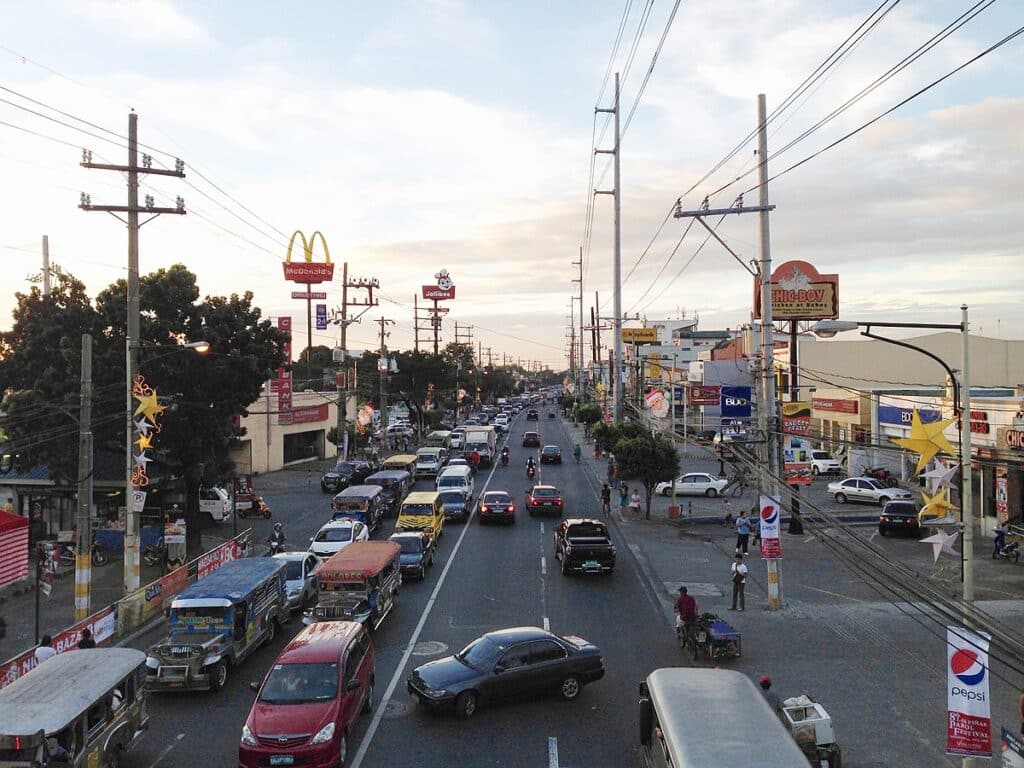
Economically, Las Piñas has transformed from a predominantly residential suburb into a thriving commercial hub. The city’s strategic location between Metro Manila and the province of Cavite makes it an attractive site for businesses, particularly in retail, real estate, and services. The Alabang-Zapote corridor is a major commercial strip lined with shopping centers, supermarkets, and office buildings. SM Southmall is one of the largest malls in the area, offering a variety of shopping, dining, and entertainment options. The city has also seen a boom in real estate development, with numerous condominiums, townhouses, and gated communities catering to the growing middle-class population.
In recent years, Las Piñas has focused on expanding its economy by encouraging investments in small and medium enterprises (SMEs), particularly in the retail and food sectors. The city’s government is committed to providing a business-friendly environment, offering incentives to entrepreneurs and streamlining processes to attract more investments. Additionally, Las Piñas is known for its eco-friendly initiatives, particularly in waste management and recycling. The city has been recognized for its “Zero Waste” campaign, which emphasizes waste segregation, composting, and recycling, making it one of the cleanest cities in Metro Manila.
The city’s human resources are supported by a well-educated and skilled workforce. Las Piñas is home to several educational institutions, including the University of Perpetual Help System DALTA, which offers programs in medicine, nursing, engineering, and business. There are also numerous public and private schools catering to basic education, making it a family-friendly city. The city’s focus on education is evident in its various scholarship programs for deserving students, helping to ensure that young people have access to higher education.
Transportation in Las Piñas is both a convenience and a challenge. The city’s location along major thoroughfares like Alabang-Zapote Road and the South Luzon Expressway (SLEX) makes it accessible from both Metro Manila and neighboring provinces. Public transportation includes jeepneys, buses, and tricycles, which are the most common modes of transport within the city. The Light Rail Transit Line 1 (LRT-1) extension is currently under construction, which will further improve connectivity to the rest of Metro Manila once completed. However, traffic congestion remains an issue, especially during rush hours, as the city continues to grow in population and commercial activity.
Las Piñas offers a relatively high quality of life, particularly for families and those seeking a balance between city conveniences and a suburban feel. The city is known for its well-maintained parks, such as the Las Piñas-Parañaque Critical Habitat and Ecotourism Area, which is a sanctuary for various bird species and mangroves. There are also several sports facilities, gyms, and recreational centers catering to residents who enjoy an active lifestyle. The BF Resort Village area, in particular, is a popular spot for families, with its tree-lined streets, playgrounds, and a wide range of dining options.
The neighborhoods in Las Piñas range from bustling commercial districts to quiet residential enclaves. BF Resort Village, one of the city’s largest gated communities, is known for its peaceful ambiance and community events, making it a favorite among families. Pulang Lupa, Talon, and Almanza are other prominent districts, each with its own distinct character. These areas are a mix of old houses, new developments, and vibrant street markets where locals buy fresh produce, seafood, and other daily necessities.
The people of Las Piñas, known as *Las Piñeros*, are proud of their city’s history and are known for their friendliness and hospitality. Life here revolves around family, community events, and social gatherings. The city’s markets, like the Zapote Market, are always bustling with activity, especially in the early morning when locals shop for fresh ingredients. There’s a strong sense of community, with neighbors often knowing each other by name and coming together during festivals and public events.
Despite its many strengths, Las Piñas faces challenges typical of rapidly growing cities, such as traffic congestion, waste management, and the need for more green spaces. The local government has been proactive in addressing these issues, investing in infrastructure projects and environmental programs to ensure sustainable growth. The city’s focus on recycling, waste segregation, and community involvement has made it a model for other cities in the Philippines.
Las Piñas is a city that beautifully balances tradition with progress. Whether you’re exploring the historic St. Joseph Parish Church to listen to the Bamboo Organ, enjoying a meal at a local eatery, or simply taking a stroll in one of its peaceful neighborhoods, Las Piñas offers a unique mix of old-world charm and modern convenience. It’s a city that embraces its past while looking forward to the future, making it a wonderful place to live, work, or visit in the southern part of Metro Manila.
Leave a Reply