


| Country | Gabon |
| Population | 703904 |
| Area | 65.42 km2 (25.26 sq mi) |
| Time Zone | None |
| Coordinates | 0.3902777777777778, 9.454166666666666 |
| Highest elevation | None |
City Gallery






City Description
Libreville, the capital and largest city of Gabon, is a vibrant coastal city located along the Gulf of Guinea in Central Africa. With a population of approximately 800,000 people, it is the political, cultural, and economic heart of Gabon, serving as the country’s primary hub for trade and commerce. The city is situated on the Komo River, where it meets the Atlantic Ocean, offering a picturesque setting with a mix of lush forests, waterfronts, and modern urban development.
Libreville’s history traces back to the early 19th century when it was founded in 1849 by freed slaves from the United States, which is reflected in its name, meaning “Free Town” in French. Originally established as a French colonial settlement for former slaves, it soon became a key trading post. During the colonial era, it was a focal point for French efforts to control the region. In 1960, Gabon gained its independence from France, and Libreville became the capital of the newly sovereign nation. Over the decades, the city has grown into a major urban center, although it still retains a historical connection to its colonial past.
Geographically, Libreville is located near the equator, which gives it a tropical climate with high humidity and relatively consistent temperatures throughout the year. Average temperatures hover between 25°C and 30°C (77°F to 86°F), with the rainy season typically occurring between October and May. The city is surrounded by dense rainforests, and this proximity to nature has shaped Libreville’s landscape, with green spaces and parks playing a prominent role in the urban design. Additionally, the coastline is lined with beautiful beaches such as the popular Plage de Libreville, attracting both locals and tourists seeking relaxation by the sea.
Culturally, Libreville is a melting pot, influenced by both traditional Gabonese customs and a significant expatriate community, including French, Chinese, and other African nationals. Gabonese culture is rooted in the many ethnic groups that inhabit the country, including the Fang, Myene, and Punu people. The city is known for its vibrant art scene, with local galleries showcasing traditional and modern African art. The National Museum of Arts and Traditions, along with the Museum of Contemporary Art, provides a deep dive into Gabon’s rich cultural history and contemporary artistic expression. Libreville also hosts the annual Gabon Festival, a lively celebration of Gabonese music, dance, and cuisine, drawing thousands of visitors each year.
Human resources in Libreville reflect the city’s status as the economic center of Gabon. The city has a fairly high literacy rate, with access to both primary and secondary education. Gabon is investing heavily in improving its education system, and Libreville is home to several universities, including the Omar Bongo University, which is one of the oldest and largest universities in the country. Additionally, there are many private educational institutions and schools catering to the expatriate population, offering international curricula such as the French Baccalaureate.
While the country’s education system is improving, there are still challenges in terms of workforce development. Many sectors, such as healthcare, energy, and technology, rely heavily on skilled expatriate workers, especially in the oil and gas industry. However, the government is making efforts to increase the availability of skilled labor by offering specialized training programs and creating job opportunities for local youth.
Economically, Libreville is the driving force behind Gabon’s wealth, as the country is one of the largest producers of oil in sub-Saharan Africa. The oil industry accounts for over 80% of Gabon’s export revenues, and Libreville is home to the nation’s main oil refineries and export terminals. Several multinational oil companies operate in the city, bringing investment and creating job opportunities in the energy sector. Despite fluctuations in global oil prices, the oil industry continues to be the backbone of Libreville’s economy.
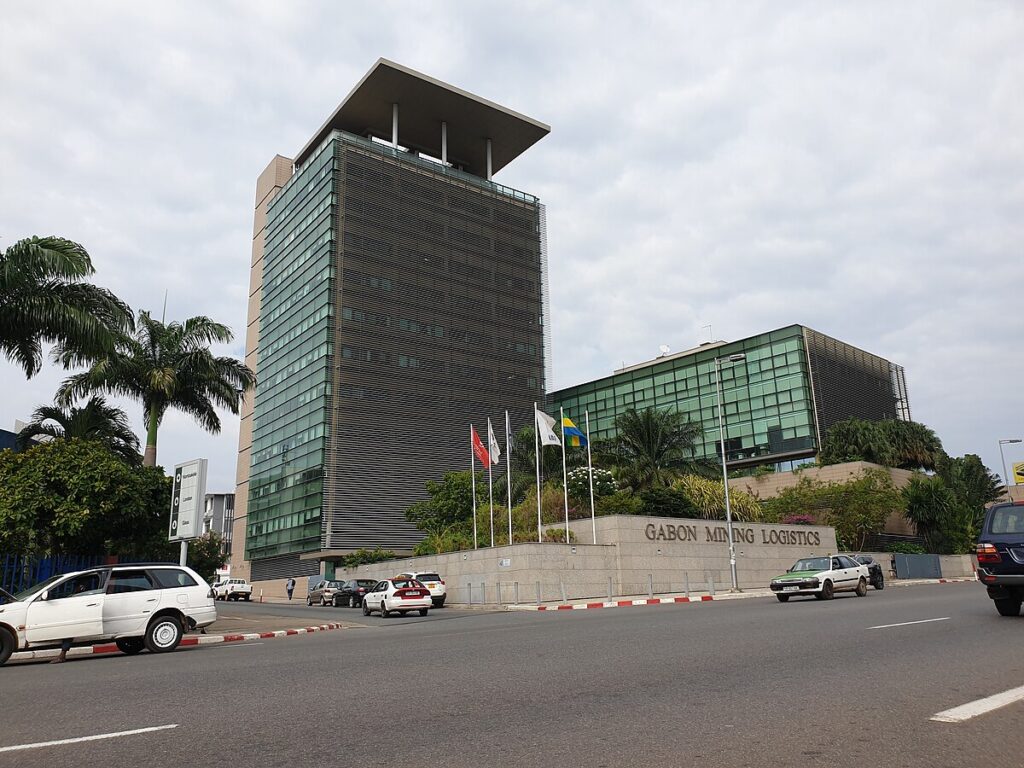
In addition to oil, Libreville’s economy benefits from other sectors such as mining, timber, and agriculture. Gabon has significant reserves of manganese and other minerals, and the mining industry is growing in importance. The forestry sector is also a vital contributor to the economy, as Gabon is one of the leading exporters of timber in Central Africa. The government is working to diversify the economy through initiatives in tourism, agriculture, and infrastructure development. The Gabonese government’s plan for the future includes increasing investment in infrastructure projects, including a new deep-water port and an expanded airport, which will help position Libreville as a logistics and transportation hub in the region.
Libreville has also seen growth in the services sector, with an increasing number of banks, telecommunications companies, and retail businesses establishing a presence in the city. The expansion of commercial centers, such as the Akanda Mall, and the increase in private sector services indicate a shift toward a more diverse economy. The real estate market in Libreville has also seen growth in recent years, with an increasing demand for both residential and commercial properties as the city’s population continues to rise.
On the infrastructure side, Libreville has been undergoing significant development, with improvements in roads, airports, and public services. The Léon Mba International Airport, which is the primary gateway to Gabon, connects Libreville to major cities in Africa and Europe. The city’s road network is expanding, although traffic congestion remains an issue, particularly during rush hours. Public transportation options are limited, though there have been efforts to improve them with the introduction of new buses and plans for a light rail system in the future.
Healthcare in Libreville is a mixed picture. The city has several hospitals and healthcare facilities, including the Centre Hospitalier de Libreville, which provides a range of medical services to the population. However, there are challenges with access to healthcare in some areas, particularly in poorer neighborhoods. The government has prioritized health system improvements, but there is still a reliance on medical professionals from abroad to fill gaps in expertise.
Despite these challenges, Libreville is generally a safe and secure city, though it does experience occasional political unrest, largely stemming from the country’s political environment. Gabon’s politics has been dominated by the Bongo family for decades, and while there have been peaceful transitions of power, political opposition remains strong. This political dynamic occasionally impacts the city, but overall, Libreville is considered relatively stable compared to other cities in the region.
Libreville’s tourism industry is slowly growing, with the city attracting a small but steady stream of international visitors, mainly for business and leisure. The city’s beaches, wildlife, and parks offer opportunities for eco-tourism, with the nearby Lopé National Park and Pongara National Park being popular destinations for wildlife enthusiasts. Gabon’s rich biodiversity, including endangered species like gorillas, chimpanzees, and elephants, makes it an appealing destination for eco-tourism, and the government is making efforts to position the country as a leading destination for wildlife tourism in Central Africa.
Despite its challenges, Libreville is a city on the rise. It remains the political, cultural, and economic center of Gabon, with a growing economy fueled by the oil and gas sector, a youthful population, and increasing investment in infrastructure. As the city continues to modernize, Libreville offers significant opportunities for businesses, investors, and visitors looking to experience a blend of rich African heritage and emerging urban growth.
Leave a Reply