

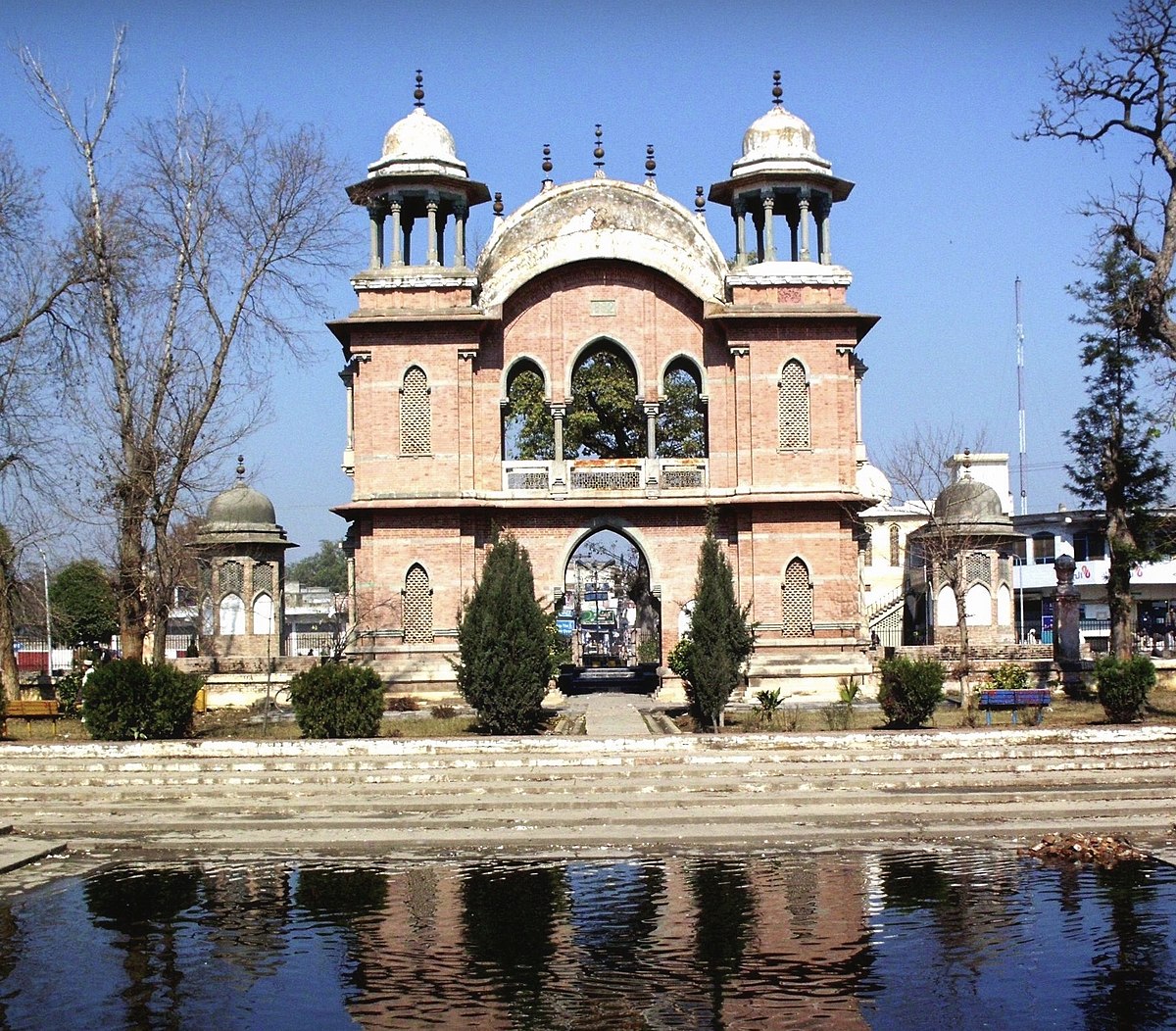
| Country | Pakistan |
| Population | 404436 |
| Area | None |
| Time Zone | UTC+5 (PST) |
| Coordinates | 34.20122222222223, 72.02583333333334 |
| Highest elevation | 310 m (1,020 ft) |
City Gallery




City Description
Mardan, nestled in the heart of the Khyber Pakhtunkhwa province of Pakistan, is a city brimming with a blend of history, culture, and rapid development. With a population estimated at around 400,000 people, it is the second-largest city in the province, following Peshawar. Spanning an area of roughly 632 square kilometers, Mardan sits in the fertile plains surrounded by lush green fields and mountains, making it a strategic agricultural hub in the region. The city is positioned at an altitude of approximately 283 meters above sea level, which grants it a moderate climate, with temperatures ranging from a chilly 5°C (41°F) in winter to a hot 40°C (104°F) during the peak of summer.
The history of Mardan is as old as civilization itself, tracing its roots back to ancient Gandhara, a flourishing Buddhist civilization that spanned across this region. The nearby archaeological site of Takht-i-Bahi, a Buddhist monastery dating back to the 1st century AD, is a UNESCO World Heritage site and one of the most significant remnants of Gandhara culture. Takht-i-Bahi attracts history buffs and scholars from around the world who come to marvel at its ancient stupas, monastic cells, and inscriptions that offer a glimpse into the rich past of this land. The area that is now Mardan has seen various rulers, from the Mauryans to the Kushans, and later the Mughals, each leaving their mark on the city’s history and architecture.
Mardan’s geography is characterized by its vast agricultural plains, crisscrossed by a network of canals and rivers that are fed by the Swat River. The fertile soil of the region makes it one of the leading agricultural areas in Khyber Pakhtunkhwa. The city is particularly famous for its sugarcane, wheat, and tobacco production, contributing significantly to the local economy. The lush green fields surrounding the city, especially during the harvest season, create a stunning landscape that reflects the area’s agricultural prosperity.
The city’s culture is a vibrant mix of Pashtun traditions, reflecting the dominant ethnic group in the region. The Pashto language is widely spoken here, and the people of Mardan are known for their hospitality, strong sense of community, and adherence to traditional values. The city comes alive with festivities during occasions like Eid, where locals don traditional attire, prepare lavish feasts, and partake in lively gatherings. Attan, the traditional Pashtun dance, is often performed at weddings and cultural events, accompanied by the beats of the dhol (drum).
The human resources in Mardan are primarily young, with a median age of around 23 years. The city’s literacy rate is approximately 53%, which, while below the national average, has been steadily improving due to efforts to boost educational infrastructure. Abdul Wali Khan University Mardan is one of the key educational institutions here, offering higher education opportunities to thousands of students. The city also hosts several technical training centers, helping equip the younger generation with skills necessary for the job market. Employment in Mardan is largely driven by agriculture, with around 60% of the workforce engaged in farming and related activities. However, there is a growing trend toward jobs in education, healthcare, and retail.
Economically, Mardan has traditionally relied on agriculture and small-scale industries, but it has seen a surge in commercial activity in recent years. The city is known as the “City of Tobacco” because it produces a significant portion of Pakistan’s tobacco, with large processing plants that support the local economy. The sugar industry is another major player, with Mardan Sugar Mills being one of the largest employers in the region. The growing retail sector, with bustling markets like Bank Road and Nowshera Road, is a testament to the city’s expanding economy. In recent years, Mardan has attracted investments in real estate, with new housing societies and shopping plazas cropping up, signaling a shift toward modernization.
Infrastructure development in Mardan has gained momentum, with projects aimed at improving road networks, healthcare, and public facilities. The M-1 Motorway, which connects Peshawar to Islamabad, passes close to Mardan, significantly improving accessibility and fostering economic growth. The city has a well-developed network of public transportation, with buses, rickshaws, and taxis being the primary modes of transport. However, like many growing cities in Pakistan, Mardan faces challenges such as traffic congestion and the need for improved waste management systems.
Healthcare facilities in Mardan have improved considerably over the years, with several public and private hospitals and clinics catering to the needs of the population. The Mardan Medical Complex is the largest healthcare facility in the city, providing specialized services to residents and those from neighboring towns. There are also numerous smaller clinics and dispensaries scattered throughout the city, ensuring that healthcare is accessible to the local population.
Mardan’s culinary scene is a reflection of its rich cultural heritage. The city is known for its traditional Pashtun cuisine, with dishes like chapli kebabs, seekh kebabs, and karahi being crowd favorites. The local markets are filled with the aroma of freshly baked naan, spicy curries, and grilled meats. Street food is popular in Mardan, with vendors offering everything from fried fish to samosas. Sweets like jalebi and gulab jamun are widely enjoyed, especially during festivals and weddings.
The real estate market in Mardan is steadily growing, with an increasing demand for residential and commercial properties. The average price per square foot for residential plots is around PKR 5,000, making it more affordable than major cities like Islamabad or Lahore. The cost of living in Mardan is relatively low, with monthly expenses for a family of four averaging around PKR 50,000 without rent. This affordability, coupled with the city’s expanding amenities, makes Mardan an attractive option for those looking to escape the hustle and bustle of larger cities.
Despite its many strengths, Mardan faces challenges, particularly in managing rapid urbanization and preserving its natural environment. The city’s rapid growth has led to an increase in pollution levels, especially in the more densely populated areas. Additionally, the pressure on its agricultural lands to accommodate new housing developments is a growing concern. The local government is actively working on strategies to address these issues, focusing on sustainable development and improving the quality of life for its residents.
Mardan’s tourism potential remains largely untapped, despite its rich history and proximity to major tourist sites like the Swat Valley and Malakand Pass. Efforts are being made to promote Mardan as a tourist destination, with initiatives to preserve its historical sites and enhance its cultural offerings. The city’s calm and laid-back atmosphere, combined with its rich cultural heritage, makes it a hidden gem for those looking to explore the lesser-known regions of Pakistan.
In essence, Mardan is a city of contrasts where tradition meets modernity. It offers a unique blend of ancient history, vibrant culture, and burgeoning economic potential. From its rich Gandhara roots to its thriving markets and expanding industries, Mardan is a city on the rise, ready to embrace the future while staying true to its deep cultural roots. Whether you are interested in exploring historical sites, enjoying traditional Pashtun hospitality, or experiencing the bustling markets, Mardan offers a rich tapestry of experiences waiting to be discovered.
Leave a Reply