


| Country | Philippines |
| Population | 254453 |
| Area | 33.74 km2 (13.03 sq mi) |
| Time Zone | UTC+8 (PST) |
| Coordinates | 14.758055555555556, 120.94805555555556 |
| Highest elevation | 9.0 m (29.5 ft) |
City Gallery



City Description
Marilao, a bustling municipality in the province of Bulacan, Philippines, is a thriving suburban area just north of Metro Manila. With a population of around 250,000 as of 2023, it’s one of the fastest-growing areas in the region, offering a mix of urban convenience and suburban charm. Located only 22 kilometers from Manila, Marilao has become a popular spot for those who work in the capital but prefer a quieter, more relaxed environment to call home. The city’s strategic location and growing infrastructure make it a key residential and commercial hub in the Greater Manila Area.
The history of Marilao dates back to the early Spanish colonial period, when it was established as a small settlement. It officially became a municipality in 1796, and its name is said to be derived from the Tagalog word “malilaw,” referring to the color of the river that runs through the town. The Marilao River has been central to the town’s identity, historically serving as a source of livelihood and a route for transporting goods. Over time, Marilao has transformed from a quiet agricultural town into a bustling suburban area as urbanization spread from Manila. The municipality’s growth accelerated especially in the 1990s and early 2000s, driven by the expansion of Metro Manila’s urban sprawl.
Geographically, Marilao is situated in the central part of Bulacan, bordered by the municipalities of Meycauayan, Bocaue, and Santa Maria. It covers an area of about 33 square kilometers, featuring a mix of flat plains, residential subdivisions, and commercial zones. The terrain is generally flat, which has made it ideal for development, particularly in housing and industrial projects. Marilao’s proximity to major roads like the North Luzon Expressway (NLEX) and the MacArthur Highway makes it highly accessible, connecting residents to Manila and other parts of Bulacan with ease. The municipality experiences a tropical climate, with a dry season from December to May and a wet season from June to November, making it warm and humid most of the year, with temperatures typically ranging from 25 to 34 degrees Celsius.
Marilao’s culture is a vibrant mix of traditional Filipino customs and modern suburban life. The town celebrates various festivals, with the most notable being the annual fiesta in honor of Saint Michael the Archangel, the town’s patron saint. Held in September, the fiesta features parades, street dances, and religious processions, showcasing the deep Catholic roots and communal spirit of the residents. In recent years, the local government has also promoted events that highlight Marilao’s cultural heritage, including food fairs and art exhibits that showcase local crafts and culinary traditions. This blend of old and new reflects the community’s effort to preserve its identity while embracing the rapid changes brought about by urban development.
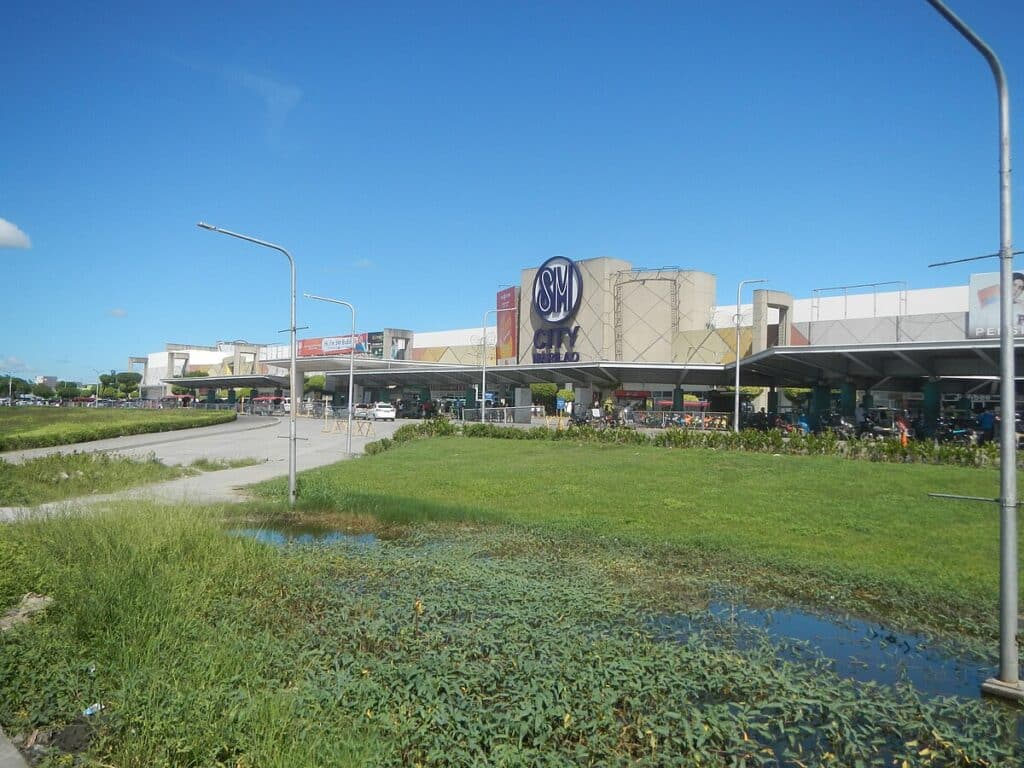
Economically, Marilao is growing fast, and its economy is increasingly diversified. It is becoming a vital commercial center in Bulacan, thanks to the rise of malls, retail establishments, and industrial zones. Major shopping centers like SM City Marilao and Puregold Marilao are popular destinations for both locals and residents of nearby towns, offering a range of shops, restaurants, and entertainment options. These malls are not only retail hubs but also social spaces where families and friends gather, making them central to the local lifestyle.
Manufacturing and trade also play significant roles in Marilao’s economy. The municipality hosts several industrial estates and manufacturing plants, particularly along the major highways. These industries range from food processing to construction materials, employing thousands of residents and contributing to the local economy. The city’s strategic location along major transport routes has attracted businesses looking for a well-connected yet affordable alternative to the more congested areas of Metro Manila.
Marilao’s human resources are characterized by a young and active population. With an average age in the mid-20s, the workforce is energetic and adaptable, contributing to the city’s dynamic economic landscape. Many residents work in nearby Metro Manila, commuting daily through the well-established transport networks. Others find employment locally in retail, manufacturing, and service industries. Educational institutions in Marilao, including several private and public schools, cater to the growing number of families living in the area. While there are no large universities within the municipality itself, its proximity to major educational institutions in Manila and Quezon City ensures that residents have access to higher education and vocational training opportunities.
Marilao’s real estate market has been booming in recent years, driven by the influx of people seeking more affordable housing options outside Metro Manila. Numerous residential developments have sprung up, from gated communities to mid-rise condominiums, catering to both middle-class families and young professionals. The average price for a house and lot in Marilao is more affordable compared to properties in Metro Manila, ranging from PHP 2 million to PHP 5 million, depending on location and amenities. This affordability, combined with the town’s accessibility and growing amenities, has made it a preferred location for those looking to settle down while staying connected to the capital’s economic opportunities.
The city’s transportation system continues to evolve to meet the needs of its growing population. Buses, jeepneys, and tricycles are the main modes of public transport, providing connections within the town and to nearby cities. The Manila North Road, or MacArthur Highway, runs through Marilao, linking it to key commercial and residential areas in Bulacan and beyond. The MRT-7 line, currently under construction and expected to be completed in the next few years, will further enhance connectivity between Marilao and Metro Manila. The new rail line is anticipated to cut travel time significantly, making commuting more convenient and efficient for thousands of daily commuters.
Marilao is also investing in green spaces and public parks as part of its urban development efforts. The local government has developed the Marilao People’s Park, a popular spot for recreation, fitness activities, and community events. The park features playgrounds, jogging paths, and open spaces for sports, providing a much-needed green oasis amid the city’s rapid urbanization. Other green initiatives include tree-planting programs along major roads and the development of flood control systems, especially around the Marilao River, to mitigate flooding during the rainy season.
Despite its growth, Marilao faces challenges common to rapidly urbanizing areas. One of the main issues is managing traffic congestion, particularly during rush hours when commuters from nearby towns and provinces pass through the area en route to Manila. The city’s authorities are working on road-widening projects and improving public transport systems to ease congestion. Flooding is another concern, as parts of the municipality, especially near the Marilao River, are prone to flooding during heavy rains. The local government, together with national agencies, is implementing infrastructure projects aimed at improving drainage systems and building flood barriers to protect residential and commercial areas.
Marilao’s future development is focused on sustainable urban growth and expanding economic opportunities. The local government is encouraging investment in more commercial and industrial projects while also focusing on improving public services such as healthcare and education. New projects, including the development of more mixed-use commercial areas and residential communities, aim to accommodate the city’s expanding population and provide quality living environments.
Marilao is a city of contrasts, blending the pace of suburban life with the hustle of a developing commercial center. It’s a place where traditional festivals and modern malls coexist, where busy markets thrive alongside quiet residential neighborhoods. For those seeking a convenient and dynamic community close to Metro Manila’s economic core, Marilao offers a vibrant and accessible option. Whether strolling through its bustling markets, enjoying a day at the mall, or exploring local parks, Marilao provides a diverse and growing urban experience that reflects the evolving spirit of Bulacan and the broader region.
Leave a Reply