


| Country | Guatemala |
| Population | 465773 |
| Area | 37.0 sq mi (95.9 km2) |
| Time Zone | None |
| Coordinates | 14.633055555555556, -90.60638888888889 |
| Highest elevation | 5,548 ft (1,691 m) |
City Gallery




City Description
Mixco, a vibrant and bustling city located in the department of Guatemala, is the second-largest city in the country and a key part of the metropolitan area that surrounds the capital, Guatemala City. Covering an area of approximately 132 square kilometers, Mixco is home to nearly 500,000 residents, although the daytime population swells significantly due to commuters and commercial activity. Situated just 10 kilometers west of Guatemala City, Mixco has become an important residential and commercial hub, offering a mix of urban amenities and a touch of traditional Guatemalan culture.
The history of Mixco dates back to pre-Columbian times, when it was originally inhabited by the Kaqchikel people. The city’s name is derived from the Nahuatl word “Mizco,” meaning “place of the temple of clouds.” During the Spanish conquest in the 16th century, Mixco was incorporated into the colonial territory as a strategic outpost due to its elevated position and proximity to the capital. Throughout its history, Mixco has grown from a small indigenous settlement into a bustling urban area that plays a crucial role in the country’s economy and infrastructure.
Geographically, Mixco is situated in a hilly region of the Central Highlands of Guatemala, with an elevation ranging from 1,400 to 1,800 meters (4,600 to 5,900 feet) above sea level. This elevation provides the city with a pleasant, mild climate year-round, with temperatures averaging between 16°C to 24°C (61°F to 75°F). The rainy season runs from May to October, bringing lush greenery to the surrounding hillsides, while the dry season from November to April offers clear skies and cooler evenings. The hilly terrain of Mixco creates natural boundaries, separating it from Guatemala City and giving certain neighborhoods stunning panoramic views of the valley below.
Culturally, Mixco is a city rich in tradition, with a deep sense of community and heritage. The residents, known as Mixqueños, are proud of their roots and celebrate several local festivals throughout the year. One of the most significant is the Fiesta de San Agustín, held every August to honor the city’s patron saint. The festival includes colorful parades, traditional dances, music, and food stalls offering Guatemalan specialties like “tostadas,” “tamales,” and “chuchitos.” Another beloved tradition in Mixco is the “Quema del Diablo” (Burning of the Devil), celebrated on December 7th, where locals gather to burn effigies, symbolizing the cleansing of the year’s evils to prepare for Christmas.
Mixco’s markets are an essential part of its cultural and economic landscape. The Mixco Central Market and Mercado San Juan are always bustling with activity, filled with vendors selling fresh produce, meats, spices, and handmade crafts. The aroma of traditional foods, like “pepian” (a rich meat stew) and “rellenitos” (fried plantains stuffed with beans), fills the air, offering a true taste of Guatemalan cuisine. These markets are not only places for shopping but also social hubs where locals gather to catch up on news and enjoy street food.
The human resources in Mixco are diverse, with a mix of skilled professionals, service workers, and laborers. The literacy rate is around 86%, reflecting progress in education, although there are still challenges in providing quality education to all residents. Mixco is home to several schools, technical institutes, and small universities that focus on business, engineering, and vocational training. The workforce is relatively young, with a median age of about 23 years, driven by a growing population of young families seeking affordable housing options near Guatemala City.
Economically, Mixco has experienced rapid growth in recent decades, becoming an important extension of the capital’s economic zone. Traditionally, the city relied on agriculture, particularly the cultivation of coffee and vegetables, given its fertile soil and favorable climate. However, as urbanization has increased, the local economy has shifted towards commerce, services, and light manufacturing. Mixco’s proximity to Guatemala City has attracted numerous businesses, including retail stores, supermarkets, and small industries, contributing significantly to the local economy. In recent years, Mixco has seen a surge in construction, with new housing developments and shopping centers transforming the city’s landscape.
The real estate boom in Mixco has been driven by its appeal as a suburban area for middle-class families working in Guatemala City. The city’s residential neighborhoods, such as San Cristóbal, Naranjo, and El Milagro, offer more affordable housing compared to the capital, while still being well-connected through major roads like the Calzada Roosevelt. As a result, Mixco has become a commuter city, with thousands of residents traveling daily to Guatemala City for work. The growing demand for housing has also led to the development of gated communities and condominiums, catering to the needs of both locals and expatriates.
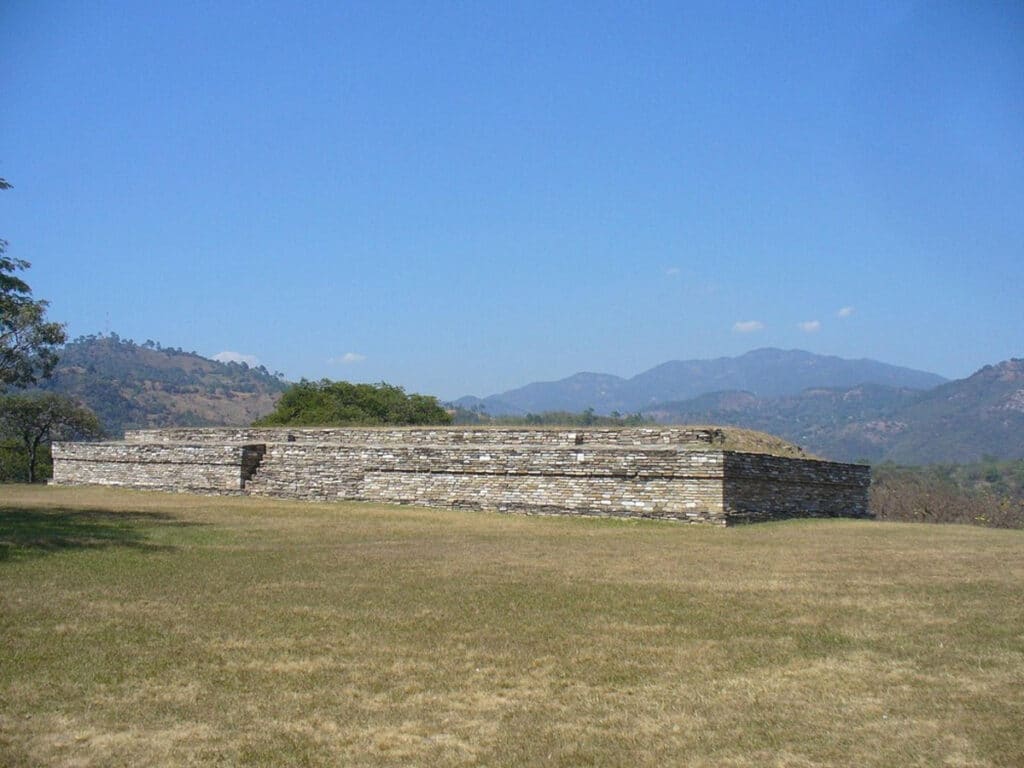
Tourism in Mixco, while not as prominent as in other parts of Guatemala, has potential due to its historical sites and natural beauty. The historic San Agustín Church, with its colonial architecture, is a popular attraction, especially during religious festivals. For those interested in nature, Mixco Viejo, an ancient Mayan archaeological site located about 30 kilometers from the city center, offers a glimpse into Guatemala’s rich pre-Columbian past. The nearby mountains and forests also provide opportunities for hiking, birdwatching, and enjoying the scenic landscapes.
Infrastructure in Mixco is gradually improving, though the city faces challenges related to rapid urbanization. Traffic congestion is a common issue, especially during rush hours, as the city’s roads struggle to accommodate the increasing number of vehicles. The government has been investing in road expansions, flyovers, and public transport to alleviate congestion. Public transportation includes buses and microbuses that connect Mixco to Guatemala City and neighboring municipalities, but many residents rely on private cars or motorcycles. The city is also working on improving water supply and sanitation systems to keep pace with its growing population.
Sustainability is becoming a focus for Mixco as it continues to urbanize. The local government has launched initiatives to promote recycling, reduce plastic waste, and protect green spaces. Community-led projects, such as tree-planting campaigns and neighborhood clean-ups, are becoming more common as residents recognize the importance of preserving their environment. Additionally, Mixco is exploring ways to improve energy efficiency and reduce its carbon footprint, particularly through the promotion of solar power and other renewable energy sources.
The digital transformation of Mixco is still in its early stages, but there is growing interest in adopting technology to support local businesses and improve public services. Internet access has expanded, especially in commercial areas, and more businesses are leveraging social media and e-commerce platforms to reach customers. The city is also working on digitizing public records and streamlining government services to reduce bureaucracy and improve efficiency.
The people of Mixco are known for their resilience, warmth, and strong sense of community. Despite the challenges of rapid urbanization, Mixqueños take pride in their city and are committed to improving their neighborhoods. The streets of Mixco are filled with the sounds of everyday life—children playing, vendors calling out their goods, and the ever-present hum of traffic. Local parks and plazas are popular gathering spots, where families relax, socialize, and enjoy the city’s pleasant climate.
Whether you’re exploring the historic charm of San Agustín Church, savoring the flavors of traditional Guatemalan cuisine at the local markets, or simply enjoying the views of the surrounding hills, Mixco offers a unique blend of urban energy and traditional charm. It’s a city that is evolving rapidly, yet remains deeply connected to its roots. As Mixco continues to grow, it faces the challenge of balancing development with preserving its cultural identity, making it one of the most intriguing and dynamic places to visit in Guatemala.
Leave a Reply