


| Country | Angola |
| Population | 292535 |
| Area | 8,916 km2 (3,442 sq mi) |
| Time Zone | UTC+1 (WAT) |
| Coordinates | -15.195277777777777, 12.150833333333333 |
| Highest elevation | 9 m (30 ft) |
City Gallery




City Description
Moçâmedes, a charming coastal city in southwestern Angola, is a place of striking landscapes, rich history, and a laid-back vibe that reflects its seaside location. Known for its sweeping views of the Atlantic Ocean and unique desert-meets-sea scenery, Moçâmedes is the capital of Namibe Province and has a population of around 255,000. With warm beaches, vibrant markets, and the nearby Namibe Desert, Moçâmedes offers a mix of natural beauty and cultural diversity that’s distinctly Angolan.
Historically, Moçâmedes has roots that stretch back to the 1840s when it was founded as a Portuguese settlement, originally named “Porto do Pinda.” Later, it was renamed Moçâmedes after a Portuguese nobleman who played a key role in establishing the colony. Moçâmedes served as an important trade and fishing hub, connecting Angola’s interior with the coast, and over the years, it attracted settlers from Europe, Brazil, and Cape Verde, who added to the city’s multicultural character. After Angola’s independence from Portugal in 1975, Moçâmedes, like much of Angola, faced significant challenges due to the civil war that followed. Today, however, it has re-emerged as a peaceful coastal city, known for its natural beauty and growing economic role in the region.
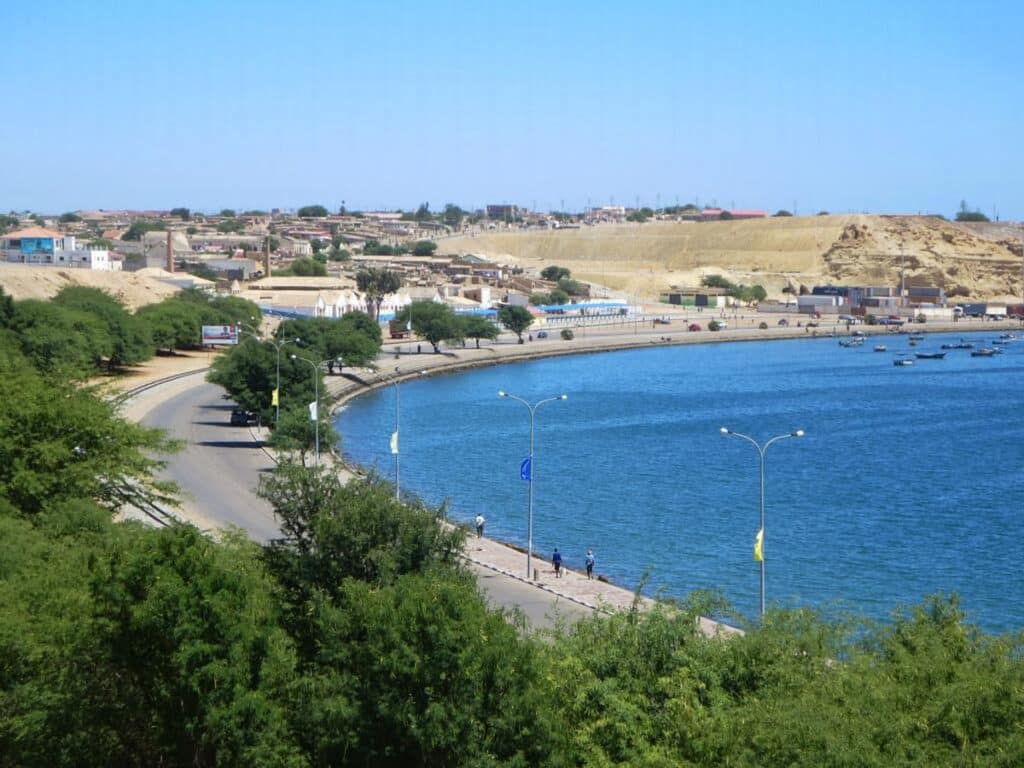
Geographically, Moçâmedes is positioned on Angola’s arid southwestern coast, bordering the Atlantic Ocean and close to the Namibe Desert. This unique geography means the city enjoys a mild, dry climate, with temperatures averaging around 25°C (77°F) year-round, making it one of Angola’s sunniest places. Winters are cool and dry, while summers bring slightly warmer temperatures but remain comfortable due to the ocean breeze. The desert landscapes that surround the city, such as the Serra da Leba mountain range and the Tundavala Gap, offer breathtaking views, drawing travelers who appreciate dramatic scenery. The desert is home to the famous Welwitschia plant, an ancient species that can live for over a thousand years, adding to the region’s allure.
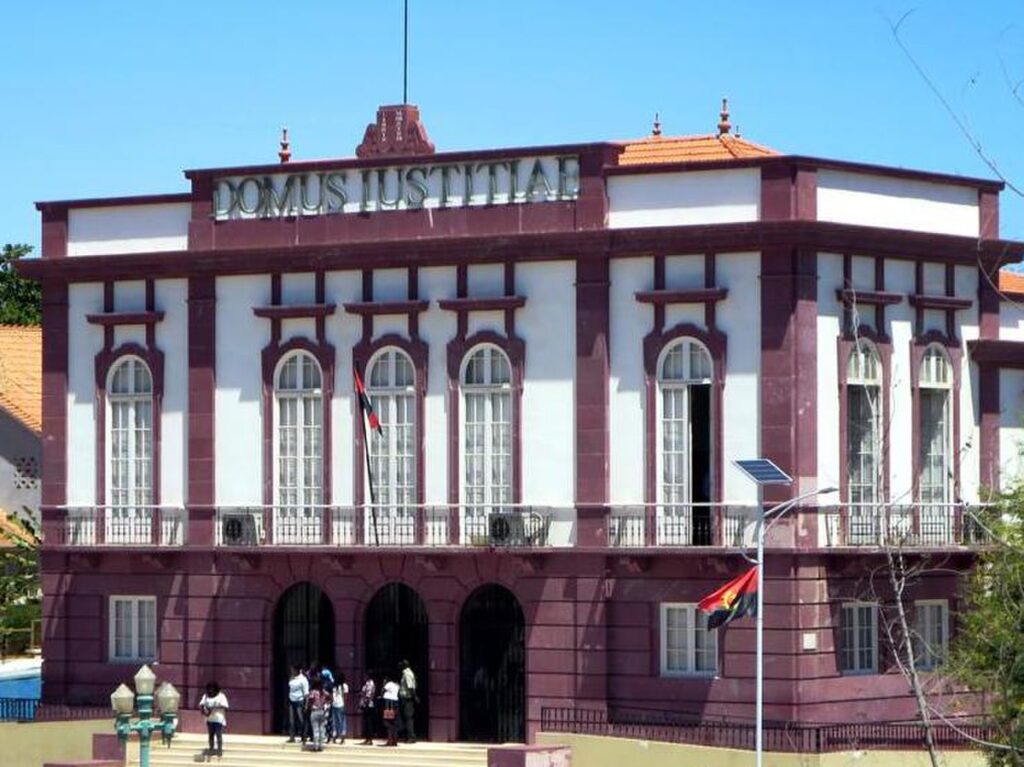
Culturally, Moçâmedes is a vibrant city with a unique blend of influences. Portuguese culture is evident in the city’s colonial architecture, while the mix of local tribes, including the Herero and Mucubal, bring their own traditions, music, and art. The city’s annual festival, Festas do Mar (Festival of the Sea), is a major cultural event that takes place each summer, celebrating Moçâmedes’ maritime heritage with music, dancing, boat races, and seafood feasts. This event draws locals and visitors alike, highlighting the city’s strong connection to the sea. Moçâmedes’ markets are full of color and life, with vendors selling everything from fresh fish and local produce to handmade crafts and textiles, giving visitors a taste of Angola’s culinary and artisanal traditions. Seafood is a staple here, with dishes like grilled fish and octopus cooked in spicy Angolan marinades, enjoyed alongside fresh tropical fruits like mangoes and papayas.
The people of Moçâmedes are known for their hospitality and resilience. Human resources in the city reflect a mix of fishing, agriculture, and growing tourism industries, with many residents involved in the local markets, service sector, and port activities. Moçâmedes has a strong fishing community, thanks to its rich coastal waters that provide lobster, tuna, and sardines, supporting thousands of jobs and a steady supply of fresh seafood for local consumption and export. Agriculture is also important, with farms producing crops like maize, cassava, and beans, though the arid climate makes water a precious resource. As the region continues to grow, an increasing number of residents are involved in tourism, as more travelers are drawn to Moçâmedes for its natural beauty, quiet beaches, and cultural festivals. Young people in the city are also finding opportunities in education and business, with new schools and local enterprises popping up as the city’s economy diversifies.
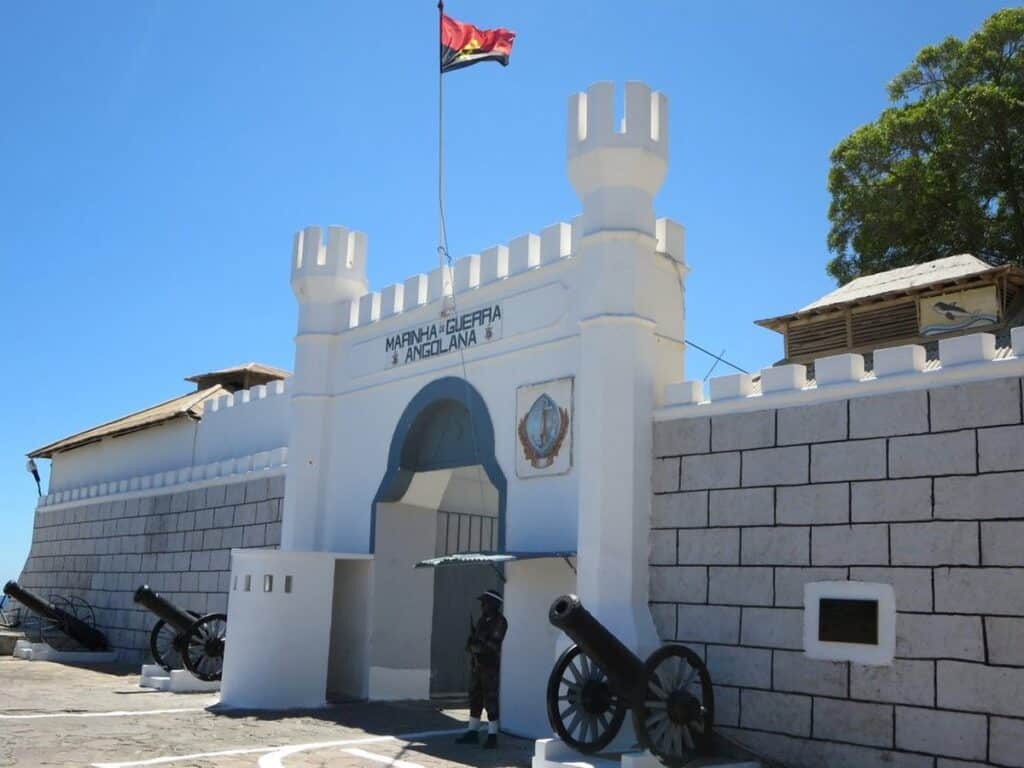
Economically, Moçâmedes is a developing city with promising growth in several key sectors. The fishing industry is a cornerstone of the economy, as the nearby waters are some of the richest fishing grounds along Angola’s coast, supporting both artisanal and industrial fishing. Additionally, the city’s port plays a vital role in Angola’s trade network, handling cargo that includes minerals, agricultural goods, and seafood. The port’s strategic location has attracted investment and upgrades in recent years, making it a critical asset for economic activity in the region. Tourism is another sector with untapped potential, as Moçâmedes’ scenic beaches, desert landscapes, and historical sites attract both domestic and international visitors. The cost of living in Moçâmedes is generally lower than in Angola’s larger cities, such as Luanda, making it an appealing location for those looking for affordable coastal living.
Infrastructure in Moçâmedes is developing, with the port being one of the city’s most advanced features. Transportation includes buses, taxis, and shared minivans, which provide convenient options for getting around locally. The city is accessible by road and has connections to neighboring provinces, though distances are significant, and the desert terrain can make travel challenging. The Moçâmedes Railway, which dates back to the colonial era, connects the city with the interior, reaching as far as Menongue, making it an essential link for transporting goods and people. Healthcare in Moçâmedes is improving, with hospitals and clinics available, though residents may still travel to larger cities for more specialized medical care. Schools and vocational training centers in the city support education and skill development, focusing on areas relevant to the city’s economy, like fishing, agriculture, and hospitality.
Recreation in Moçâmedes revolves around its beaches, natural attractions, and community events. The beaches, including Praia Azul and Praia das Miragens, are some of the most beautiful in Angola, offering calm waters, sandy shores, and an ideal setting for relaxation or water sports. Many locals and visitors enjoy beach picnics, swimming, and fishing, taking advantage of the city’s warm climate and pristine coast. For those interested in nature and history, the nearby Namibe Desert is a highlight, with its dramatic dunes, rare plants, and wildlife, including oryx and various bird species. The Tundavala Gap, with its striking cliffs and panoramic views, is another popular destination for hiking and photography. In the city center, markets, cafes, and seafood restaurants offer a more urban experience, where locals gather to shop, socialize, and enjoy traditional Angolan cuisine.
Moçâmedes’ appeal lies in its relaxed coastal lifestyle, natural beauty, and rich cultural traditions. The city’s beaches, scenic desert landscapes, and strong fishing culture make it a place where life moves at a slower pace, centered around community and the sea. Whether you’re exploring the desert, sampling fresh seafood, or simply enjoying the ocean views, Moçâmedes offers a unique look at Angola’s coastal charm. Its combination of economic potential, cultural heritage, and inviting environment make it a city on the rise, blending old-world traditions with a growing spirit of progress and opportunity.
Leave a Reply