

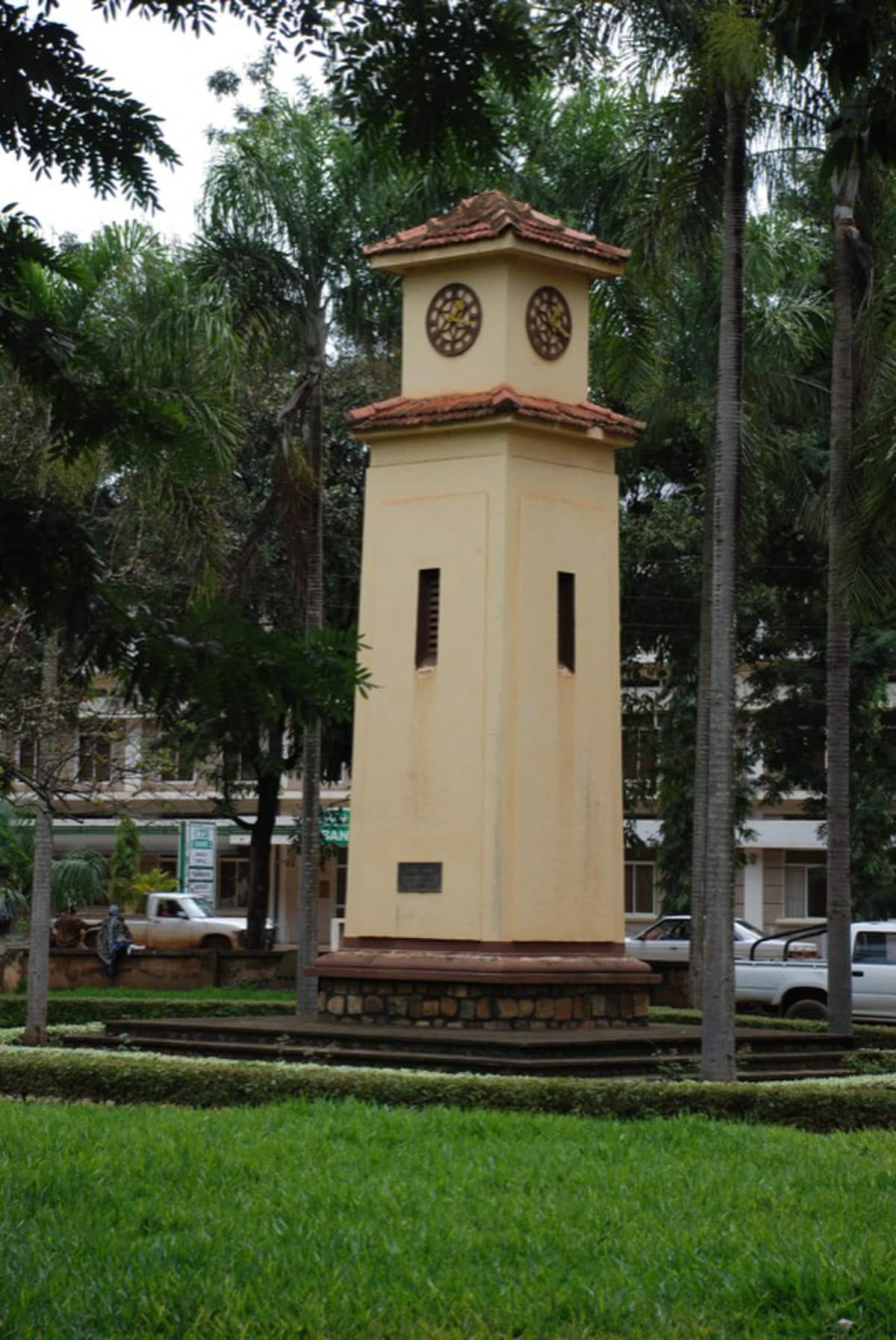
| Country | Tanzania |
| Population | 471409 |
| Area | 360 km2 (140 sq mi) |
| Time Zone | GMT +3 |
| Coordinates | -6.824166666666667, 37.663333333333334 |
| Highest elevation | 509 m (1,669 ft) |
City Gallery




City Description
Morogoro, Tanzania, often called “Mji Kasoro Bahari” or “The City without a Seashore,” is a vibrant city set against the lush backdrop of the Uluguru Mountains in eastern Tanzania. Located about 190 kilometers west of Dar es Salaam, Morogoro is home to a population of around 350,000 and serves as the capital of the Morogoro Region. Known for its scenic landscapes, agricultural production, and rich cultural heritage, Morogoro is a charming and bustling city that combines the energy of an urban center with the peace of its surrounding natural beauty.
Morogoro’s history dates back to the 19th century, when it began as a small trading post and settlement in the shadow of the Uluguru Mountains. It developed significantly under German colonial rule, as the Germans built infrastructure, including roads and buildings, to support agriculture and trade. Following independence in 1961, Morogoro became a regional center for education and agriculture, and it remains a vital hub in Tanzania’s agricultural economy. The city’s German-era architecture, including old colonial houses and churches, is still visible today, blending with more modern buildings to give Morogoro a unique historical character.
Geographically, Morogoro is beautifully situated at the foot of the Uluguru Mountains, which are part of the Eastern Arc Mountain range. The city covers an area of about 260 square kilometers and is surrounded by fertile plains and valleys that support its agriculture. The Uluguru Mountains, rising to about 2,630 meters at their highest point, dominate the landscape and are known for their rich biodiversity, including unique plant and animal species found only in this part of Tanzania. Morogoro’s climate is tropical, with a hot, wet season from December to April and a cooler, dry season from June to October. Temperatures average around 25°C (77°F), but they can rise to 30°C (86°F) during the hottest months. The city’s rivers, like the Ngerengere River, provide water for both residents and agriculture, making Morogoro a green oasis in Tanzania.
Culturally, Morogoro is a melting pot of ethnic groups, primarily composed of the Waluguru people, along with Swahili, Sukuma, and various other communities, each contributing to the city’s diverse cultural landscape. This cultural mix is reflected in the city’s traditional music, dance, and festivals. Morogoro is well-known for its vibrant music scene, especially in the genres of *taarab* and *bongo flava*, with local musicians often performing at community events and gatherings. Swahili is the main language spoken, though many Morogoro residents also speak tribal languages and some English, especially among the younger generation. Traditional food markets are popular, and dishes like *ugali* (a maize-based staple), *nyama choma* (grilled meat), and a variety of tropical fruits are enjoyed by locals and visitors alike. The culture here is a mix of urban and traditional life, with locals maintaining a close connection to their heritage while embracing modern influences.
Education is a priority in Morogoro, with various institutions that cater to students of all ages and academic levels. Sokoine University of Agriculture (SUA) is one of the city’s most prominent institutions and plays a key role in advancing agricultural research and education in Tanzania. SUA offers programs in agriculture, veterinary sciences, environmental management, and more, attracting students from across the country and beyond. Morogoro also has numerous public and private primary and secondary schools, as well as vocational training centers that support the development of practical skills, particularly in trades relevant to the local economy like agriculture, construction, and business. Education is highly valued in Morogoro, and the presence of SUA has helped elevate the city’s reputation as a hub for agricultural knowledge and innovation.
The economy of Morogoro is largely based on agriculture, with farming providing livelihoods for a significant portion of the population. The fertile land around Morogoro produces a wide variety of crops, including maize, rice, sugarcane, bananas, and vegetables. Additionally, the area is known for its horticulture and fruit production, with citrus fruits, avocados, and mangoes being key exports. Small-scale and subsistence farming are common, although commercial farming has been growing, with companies involved in sugar and rice processing. The presence of Sokoine University of Agriculture supports local agricultural practices through research and innovation, helping farmers improve yields and sustainability. Small-scale industries such as milling, food processing, and artisanal crafts also contribute to Morogoro’s economy, and trade with nearby cities, especially Dar es Salaam, plays a vital role. Tourism is a growing sector as well, with the nearby Uluguru Mountains and Mikumi National Park attracting visitors interested in hiking, wildlife, and Tanzania’s natural beauty.
Infrastructure in Morogoro is relatively well-developed for a regional city in Tanzania, with a mix of modern facilities and rural charm. The city is connected to other parts of the country by the Tanzania–Zambia Railway Authority (TAZARA) railway, which links Morogoro to Dar es Salaam and other major cities. Buses and minibuses are the primary mode of public transportation within Morogoro, providing an affordable means of getting around. The road network is generally good, especially in the central parts of the city, though rural areas can be harder to access, particularly during the rainy season. Morogoro does not have a commercial airport, but the nearby Dar es Salaam International Airport, about a 2-hour drive away, provides access to national and international flights. Efforts are being made to improve infrastructure, including water supply and waste management, as the city continues to grow and urbanize.
The people of Morogoro are known for their warmth, hospitality, and strong sense of community. Many families have lived in the area for generations, with deep roots in the land and agricultural traditions. Community events, including festivals and religious celebrations, are a key part of life in Morogoro, bringing people together to enjoy music, dance, and social gatherings. Religion plays an important role, with both Islam and Christianity widely practiced, along with traditional beliefs. The local population has a reputation for resilience and resourcefulness, and family bonds and community support are highly valued. The majority speak Swahili, which unifies the diverse ethnic groups and is commonly used in education, business, and government.
Quality of life in Morogoro is generally good, especially for those who appreciate a peaceful, nature-filled environment. Housing options in Morogoro range from traditional houses to more modern apartments and villas, with new developments in response to the city’s growth. The cost of living is affordable compared to larger Tanzanian cities, making Morogoro an attractive option for families and retirees. Healthcare facilities in the city include Morogoro Regional Hospital and several private clinics that provide essential medical services, although more specialized care often requires travel to Dar es Salaam. Residents enjoy the outdoors, with the nearby Uluguru Mountains offering hiking trails, waterfalls, and scenic views. Parks and recreational areas are popular with families, and local markets provide access to fresh produce, clothing, and household goods.
Shopping and dining in Morogoro reflect the city’s mix of traditional and modern influences. Local markets like Morogoro Central Market are bustling with vendors selling fresh fruits, vegetables, meats, and traditional Tanzanian dishes. Here, you can sample local favorites like *chapati* (flatbread), *samosas*, *nyama choma*, and tropical fruits like mangoes and pineapples. Small shops and kiosks are scattered throughout the city, selling a variety of goods, while several supermarkets offer more modern shopping experiences with a wider range of products. Dining in Morogoro includes both local eateries, known as *mama lishe* (small food stalls run by women), and restaurants that serve Tanzanian and Indian cuisine, as well as international dishes. The blend of African and Indian culinary influences, along with a growing café culture, makes Morogoro a unique place to explore food.
Environmental sustainability is a growing focus in Morogoro, particularly given its proximity to the Uluguru Mountains and reliance on natural resources. The Uluguru Mountains are a critical water source for the region, and conservation efforts are in place to protect the unique flora and fauna found here. The Uluguru Mountain Conservation Project is one such initiative, promoting sustainable farming practices and forest preservation to reduce soil erosion and maintain water quality. Community groups and NGOs work to raise awareness of environmental issues, particularly with regard to waste management, deforestation, and the impact of climate change on agriculture. Efforts to promote eco-tourism in the Uluguru Mountains and nearby Mikumi National Park also support conservation while boosting the local economy.
Morogoro is a city that harmoniously blends natural beauty with a bustling community spirit, making it a unique part of Tanzania. From its agricultural roots and vibrant markets to the scenic Uluguru Mountains and thriving music scene, Morogoro offers an authentic Tanzanian experience that resonates with both locals and visitors. For residents, it’s a place where tradition, community, and connection to the land are deeply valued. For travelers, Morogoro is a gateway to Tanzania’s countryside, offering the chance to hike, experience local culture, and savor the flavors of the region. Whether you’re exploring the markets, hiking the mountain trails, or relaxing in a local café, Morogoro welcomes you with a blend of energy, warmth, and an enduring connection to the natural world.
Leave a Reply