

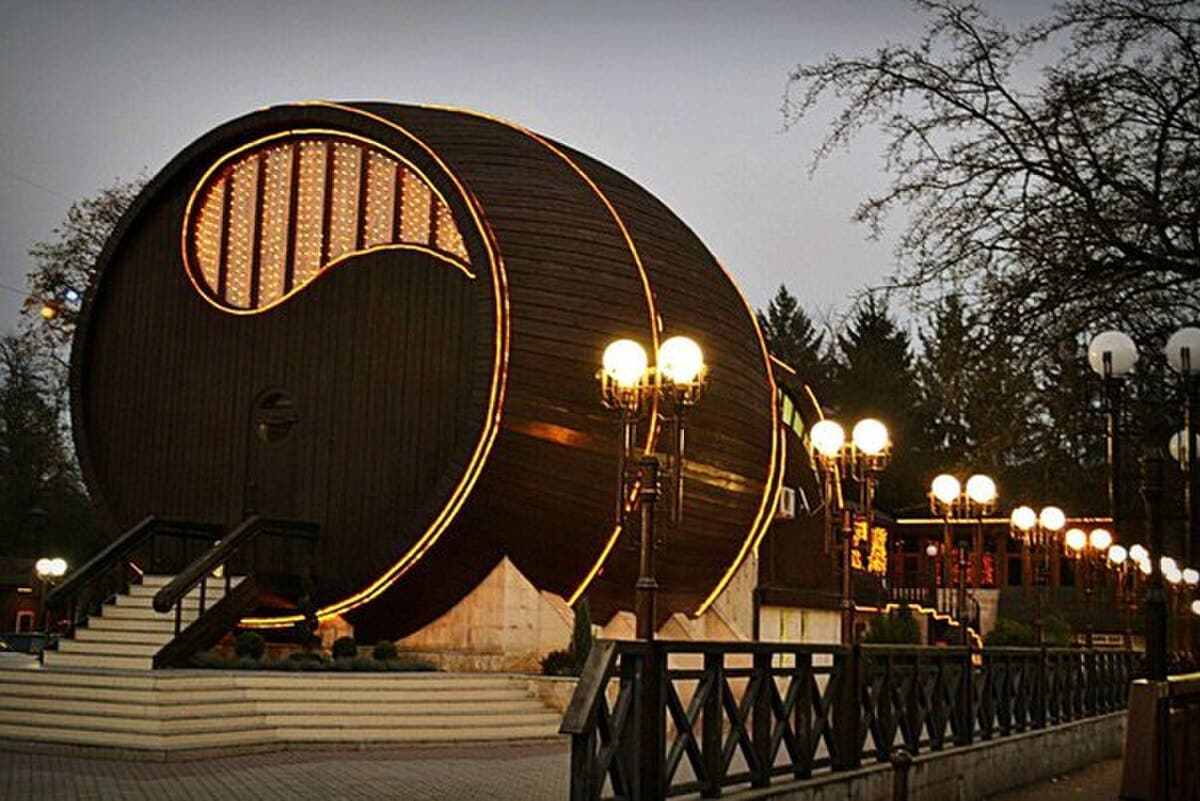
| Country | Russia |
| Population | 239300 |
| Area | 67 km2 (26 sq mi) |
| Time Zone | UTC+3 (MSK [7]) |
| Coordinates | 43.483333333333334, 43.61666666666667 |
| Highest elevation | 512 m (1,680 ft) |
City Gallery




City Description
Nalchik, the capital city of the Kabardino-Balkar Republic in southern Russia, is a stunning, mountainous destination that blends rich history, diverse culture, and natural beauty. With a population of approximately 240,000 people, Nalchik is a relatively small but culturally vibrant city nestled at the foot of the Caucasus Mountains, just 100 kilometers from Mount Elbrus, the highest peak in Europe. Its name, derived from the Kabardian word for “small horseshoe,” reflects the city’s unique shape, surrounded by majestic mountains and rivers, making it a gateway to one of the most beautiful regions in Russia.
Nalchik has a fascinating history that dates back to the 18th century. It was initially founded as a Russian military outpost in 1818 during the Russian Empire’s expansion into the Caucasus. Over time, it evolved into a key administrative center for the Kabardians, an indigenous people of the region. The city’s development was further accelerated during the Soviet era, when it became an important center for health resorts and spas due to its mild climate and mineral springs. Nalchik, like much of the North Caucasus, endured significant hardship during World War II when it was occupied by Nazi forces in 1942, but it was liberated a few months later. Since then, Nalchik has grown into a regional capital that preserves its history while embracing modernization.
Geographically, Nalchik sits in a valley surrounded by the lower ranges of the Caucasus Mountains, at an elevation of around 550 meters above sea level. The city covers an area of about 131 square kilometers, and its proximity to natural landmarks, such as Mount Elbrus, makes it a popular destination for adventure seekers, hikers, and tourists interested in exploring the Caucasus. The Baksan and Nalchik rivers flow through the city, adding to its picturesque setting. Nalchik has a mild, continental climate, with warm summers and cold winters. Summer temperatures typically range from 20°C to 30°C, while winters are chilly, with temperatures often dropping below freezing, particularly in the mountainous areas.
Culturally, Nalchik is a melting pot of ethnicities, languages, and traditions, reflecting the diverse makeup of the Kabardino-Balkar Republic. The city is home to a mix of Kabardians, Balkars, Russians, and other ethnic groups, each contributing to the vibrant cultural landscape. The Kabardians, a Circassian people, and the Balkars, a Turkic-speaking group, have a rich history of folklore, music, and dance that is still celebrated in Nalchik today. Traditional Circassian dances, such as the *Lezginka*, are a common sight during festivals and cultural events, showcasing the region’s deep-rooted traditions.
Nalchik’s cultural scene includes theaters, museums, and art galleries that reflect the city’s history and artistic heritage. The Kabardino-Balkar State Drama Theater is a focal point of the city’s artistic life, offering performances in both Russian and Kabardian languages. The Museum of Kabardino-Balkarian Culture and History is another important institution, housing artifacts from the region’s ancient past, including Circassian weapons, traditional clothing, and ethnographic displays. The city also boasts a vibrant music scene, where traditional folk music is blended with modern styles, often performed at local festivals.
Nalchik’s cuisine is heavily influenced by the traditional foods of the Circassians and Balkars, with dishes such as *shashlik* (grilled meat skewers), *khychin* (flatbreads stuffed with cheese or potatoes), and *haliva* (a local dessert made with honey and flour). The city’s markets are filled with fresh produce, meats, and spices, giving visitors a taste of the region’s agricultural bounty. Local restaurants serve both traditional Kabardian and Russian dishes, offering a culinary experience that reflects Nalchik’s diverse heritage.
In terms of human resources, Nalchik benefits from a well-educated population, with a strong emphasis on higher education and vocational training. Kabardino-Balkarian State University is the largest educational institution in the region, offering programs in a wide range of disciplines, including medicine, engineering, law, and the humanities. The university plays a crucial role in shaping the city’s workforce, attracting students from across the North Caucasus and beyond. Nalchik is also home to several technical schools and vocational institutes, which provide training in fields such as agriculture, tourism, and industry.
Economically, Nalchik’s economy is diverse, with key sectors including tourism, agriculture, and manufacturing. The city’s location near the Caucasus Mountains has made it a popular destination for both domestic and international tourists seeking outdoor activities, such as skiing, mountaineering, and hiking. Mount Elbrus, located in the Kabardino-Balkar Republic, is a major draw for adventure tourism, and Nalchik serves as a base for many visitors heading to the region. The city is known for its health resorts and spas, which offer treatments using the region’s natural mineral springs, making wellness tourism another significant part of the local economy.
Agriculture is an important economic activity in the region surrounding Nalchik. The fertile plains around the city are ideal for growing crops such as wheat, corn, and sunflowers, as well as for livestock farming. The agricultural sector supports local food production and contributes to the city’s markets, where residents can buy fresh, locally sourced products. Nalchik is also known for its fruit production, particularly apples and pears, which are grown in the nearby orchards.
Manufacturing plays a key role in Nalchik’s economy as well, with industries focused on machinery, textiles, and food processing. Factories in the city produce a range of goods, from construction materials to consumer products. In recent years, there has been a push to modernize the city’s industrial base and attract investment in new technologies and production methods. Nalchik’s strategic location, with access to both Russian and international markets via the Caucasus, makes it an attractive destination for businesses looking to expand in the region.
Tourism has become one of the fastest-growing sectors in Nalchik’s economy, thanks to its scenic location and proximity to Mount Elbrus. Visitors are drawn to the city’s natural beauty, outdoor activities, and historical sites. Nalchik’s parks, such as the Atazhukinsky Garden, offer peaceful spaces for relaxation and recreation. The city’s cable car system provides stunning views of the surrounding mountains, making it a popular attraction for both tourists and locals. In addition to mountain tourism, Nalchik is known for its sanatoriums and health resorts, which attract visitors seeking wellness treatments in the mineral-rich waters of the region.
Infrastructure in Nalchik is well-developed, with modern road and rail connections linking the city to other parts of Russia and neighboring countries. The city is served by Nalchik Airport, which offers flights to Moscow and other major Russian cities, providing an important link between the North Caucasus and the rest of the country. Public transportation within the city includes buses and minibuses, making it easy for residents and visitors to get around. Nalchik’s infrastructure has seen significant improvements in recent years, with investments in housing, healthcare, and public services aimed at improving the quality of life for its residents.
Demographically, Nalchik is a diverse city, with a population that includes Kabardians, Balkars, Russians, and smaller ethnic groups such as Ossetians and Armenians. The city’s ethnic diversity is a reflection of its location in the North Caucasus, a region that has long been a crossroads for various cultures and peoples. While Russian is the dominant language, Kabardian and Balkar are also spoken by significant portions of the population, and the city’s schools offer instruction in these languages to preserve the region’s linguistic heritage.
One of the challenges Nalchik faces is balancing economic development with environmental sustainability, particularly in the tourism sector. As the city continues to attract more visitors, there is a need to ensure that the natural beauty of the Caucasus Mountains is preserved for future generations. The local government has implemented measures to promote sustainable tourism practices and protect the region’s natural resources, but ongoing efforts are needed to address issues such as waste management and conservation.
Overall, Nalchik is a city that beautifully blends its rich cultural heritage with modern growth. Its diverse economy, stunning natural surroundings, and commitment to education make it a dynamic and attractive place to live or visit. Whether you’re exploring its historical sites, hiking in the nearby mountains, or relaxing in one of its health resorts, Nalchik offers a unique glimpse into the heart of the Caucasus. As the city continues to grow, it remains deeply connected to its traditions while embracing new opportunities for development and progress.
Leave a Reply