

| Country | France |
| Population | 323204 |
| Area | 65.19 km2 (25.17 sq mi) |
| Time Zone | UTC+01:00 (CET) |
| Coordinates | 47.21805555555556, -1.5527777777777778 |
| Highest elevation | None |
City Gallery




City Description
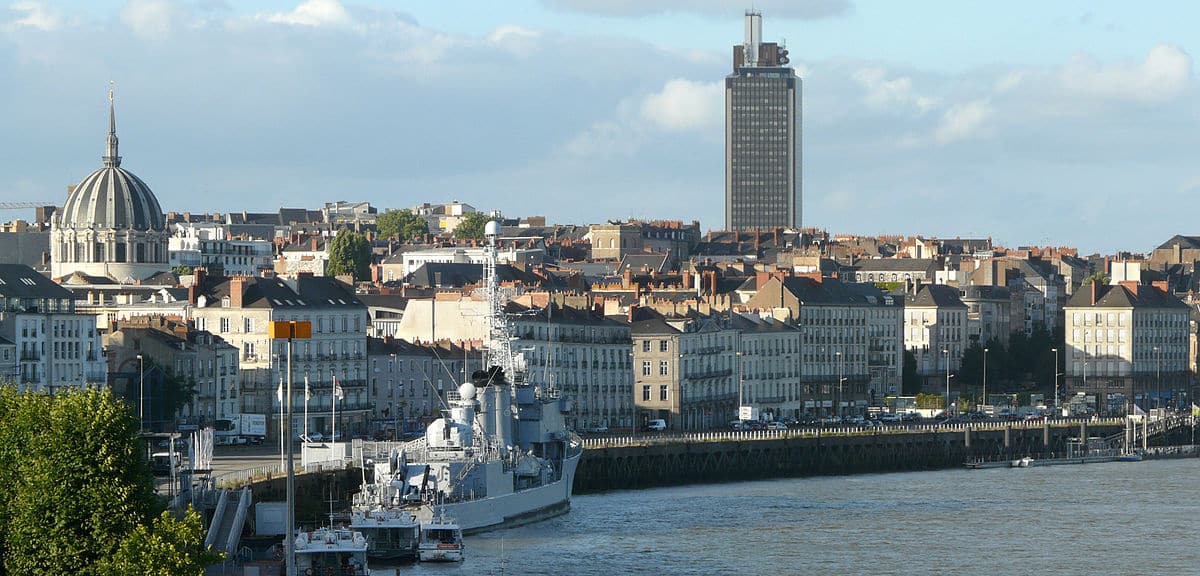
Nantes, a historic city on the Loire River in western France, is known for its innovative spirit, artistic charm, and rich heritage. Once a major port and shipbuilding center, today Nantes is a thriving cultural hub, with a population of around 320,000 within the city and approximately 650,000 in the metropolitan area. Nantes is both the capital of the Pays de la Loire region and one of the most dynamic cities in France. From its medieval buildings to its cutting-edge art installations, Nantes is a city where history meets creativity and innovation, drawing in residents and visitors alike.
Nantes has a fascinating history that stretches back over 2,000 years, beginning with the Gauls and later evolving as a strategic port under the Romans. The city’s prominence grew during the Middle Ages, and by the 16th century, Nantes became a significant port for trade, especially as part of the Atlantic slave trade. The city later played a central role in the French Revolution, experiencing turbulent times as a center for revolutionary fervor. In the 19th and early 20th centuries, Nantes was a major industrial hub, known for its shipyards and factories. By the late 20th century, as heavy industries declined, Nantes reinvented itself as a center for culture, education, and technology. Today, the city is celebrated for its unique blend of historical sites and contemporary art, with ambitious urban projects that make it one of France’s most progressive cities.
Geographically, Nantes is located in the Loire Valley, about 50 kilometers from the Atlantic coast. The city covers an area of approximately 65 square kilometers and is divided by the Loire River, with the Erdre and Sèvre rivers also crossing through, giving the city a series of waterways and islands. This riverside setting adds to Nantes’ scenic beauty, with pedestrian bridges, boat tours, and riverfront promenades connecting different parts of the city. The climate in Nantes is oceanic, with mild winters averaging around 5°C (41°F) and warm summers reaching about 25°C (77°F). Rain is frequent throughout the year, though the summers are generally pleasant, making it a great time to explore the parks, gardens, and riverside areas. Nantes’ location near the Atlantic coast and Loire Valley also means it’s surrounded by beautiful vineyards, castles, and natural landscapes.
Culturally, Nantes is one of France’s most vibrant cities, known for its commitment to the arts, music, and unique public installations. The city is famous for the “Machines de l’Île,” a massive, interactive art installation inspired by Jules Verne and Leonardo da Vinci, featuring mechanical animals, including a giant elephant that roams around, carrying visitors on its back. Nantes also hosts the annual “Voyage à Nantes,” a citywide art trail that transforms streets, squares, and even the river into creative spaces filled with temporary and permanent art installations. The Château des Ducs de Bretagne, a historic castle that now houses the Nantes History Museum, and the beautiful Gothic-style Nantes Cathedral are major cultural landmarks that draw visitors year-round. Music and performance arts thrive here too, with venues like the Lieu Unique, a former biscuit factory turned cultural center, hosting everything from concerts to theater performances and exhibitions. Nantes’ literary connections are also strong, as it is the birthplace of Jules Verne, whose works are celebrated throughout the city.
Education in Nantes is a key aspect of its modern identity, with a strong network of universities, research institutions, and schools. The University of Nantes, one of the city’s main educational institutions, serves around 38,000 students across various fields, from humanities and social sciences to engineering and medicine. The École Centrale de Nantes, a leading engineering school, is renowned throughout France and attracts students from around the world. The city also hosts numerous art and design schools, like the Nantes School of Fine Arts, which contribute to the city’s creative energy. Nantes’ education system includes a variety of public and private primary and secondary schools, as well as international programs catering to the city’s diverse population. The city’s emphasis on education has helped build a skilled workforce that supports its thriving tech and creative industries.
The economy of Nantes is diverse and robust, with strong sectors in technology, manufacturing, logistics, and services. The tech industry has become a major economic driver, with Nantes now considered one of France’s leading “tech cities” outside of Paris. The Nantes Digital Week and Web2Day, an annual tech festival, attract tech enthusiasts, startups, and investors from around the country. The city’s “Quartier de la Création” is a digital and creative district that supports the growth of startups and creative businesses, fostering innovation in fields like video games, design, and software development. Traditional industries like shipbuilding and food processing remain important, with companies like STX Europe and LU (the biscuit manufacturer) based in the area. Nantes is also a major logistics hub due to its location along the Loire River, with transportation and distribution playing a crucial role in its economy. Additionally, the city’s tourism industry has grown steadily, thanks to its art installations, historic sites, and proximity to the Loire Valley and Atlantic coast.
Infrastructure in Nantes is well-developed, with efficient public transportation, cycling networks, and pedestrian-friendly streets making it easy to get around. The city’s public transport is operated by TAN, with an extensive network of trams, buses, and river ferries that connect neighborhoods and key landmarks. Nantes was one of the first French cities to reintroduce trams in the 1980s, and the network has since expanded to cover much of the city, with plans for further extension. Nantes Atlantique Airport, located about 8 kilometers southwest of the city center, provides both domestic and international flights, connecting Nantes to major European cities. The high-speed TGV train also links Nantes to Paris in just over two hours, making it a popular choice for business and leisure travelers. The city has prioritized green infrastructure, with a strong emphasis on cycling lanes, electric buses, and pedestrian areas. Healthcare facilities are excellent, with several public and private hospitals, including the CHU de Nantes, one of the largest university hospitals in France, providing comprehensive medical services.
The people of Nantes, known as Nantais, are known for their progressive outlook, creativity, and sense of community. The city’s population is diverse, with a mix of locals and international residents drawn to Nantes for work, study, and quality of life. French is the primary language, though English is widely spoken in the tech and tourism sectors. The city’s residents are passionate about culture, and community events, art installations, and festivals are well attended, showing a strong sense of civic pride. Sustainability and environmental awareness are highly valued by the people of Nantes, with many supporting initiatives for green living, waste reduction, and urban farming. The city’s commitment to sustainability is evident in the lifestyle of its residents, who embrace eco-friendly practices like cycling, public transport, and local food markets.
Quality of life in Nantes is exceptionally high, thanks to the city’s green spaces, cultural amenities, and balance between urban excitement and peaceful riverside retreats. Nantes has a wide range of housing options, from historic townhouses and apartments in the city center to modern eco-friendly residences in newly developed areas. The cost of living is generally more affordable than Paris, although it has been rising with the city’s growth and popularity. Nantes’ parks, like the Jardin des Plantes, Parc de Procé, and the riverside trails along the Loire, provide places for residents to relax, exercise, and socialize. The city’s healthcare and education systems, along with excellent public services, contribute to a high standard of living. Dining and shopping in Nantes offer something for everyone, with local markets like Talensac Market providing fresh produce, cheeses, and seafood, while international restaurants and artisanal shops add to the cosmopolitan atmosphere.
Shopping and dining in Nantes reflect the city’s creative and diverse character, with an array of boutiques, markets, and cafes that bring together traditional and modern tastes. The Bouffay district, one of the oldest parts of the city, is filled with unique shops, bakeries, and vintage stores, as well as lively cafes where people gather for coffee and conversation. For a more modern shopping experience, the Passage Pommeraye, a historic 19th-century shopping arcade, offers a range of upscale boutiques, and the Atlantis shopping center provides a broader selection of stores. Dining in Nantes emphasizes fresh, local ingredients, with a strong focus on seafood, as the city is close to the Atlantic. Local dishes include *moules-frites* (mussels and fries) and *gâteau nantais*, a traditional almond cake flavored with rum. Wine from the nearby Muscadet region is also popular, with many restaurants offering locally sourced wine pairings. From fine dining to casual creperies and bustling street food markets, Nantes offers a rich culinary experience.
Environmental sustainability is central to Nantes’ identity, as the city has been recognized as a European Green Capital for its efforts in promoting green practices and reducing its environmental impact. Nantes has invested heavily in renewable energy, green buildings, and sustainable urban planning, with initiatives to reduce car usage and encourage public transit and cycling. The city has over 400 kilometers of cycling paths and a bike-sharing system called Bicloo, making cycling a convenient and eco-friendly way to explore. Nantes’ green spaces are carefully maintained, with urban parks, community gardens, and riverfront areas providing natural beauty and recreation. Waste reduction and recycling programs are widely adopted, and the city runs numerous educational campaigns to promote sustainable living. Nantes has also implemented eco-friendly architecture in new developments, with green roofs, solar panels, and energy-efficient designs becoming the standard in the city’s urban planning.
Nantes is a city that truly embraces both its history and its future, offering a lifestyle where innovation, culture, and community thrive together. With its vibrant art scene, rich historical landmarks, and commitment to sustainability, Nantes has become one of France’s most desirable cities for residents and visitors alike. For
Leave a Reply