

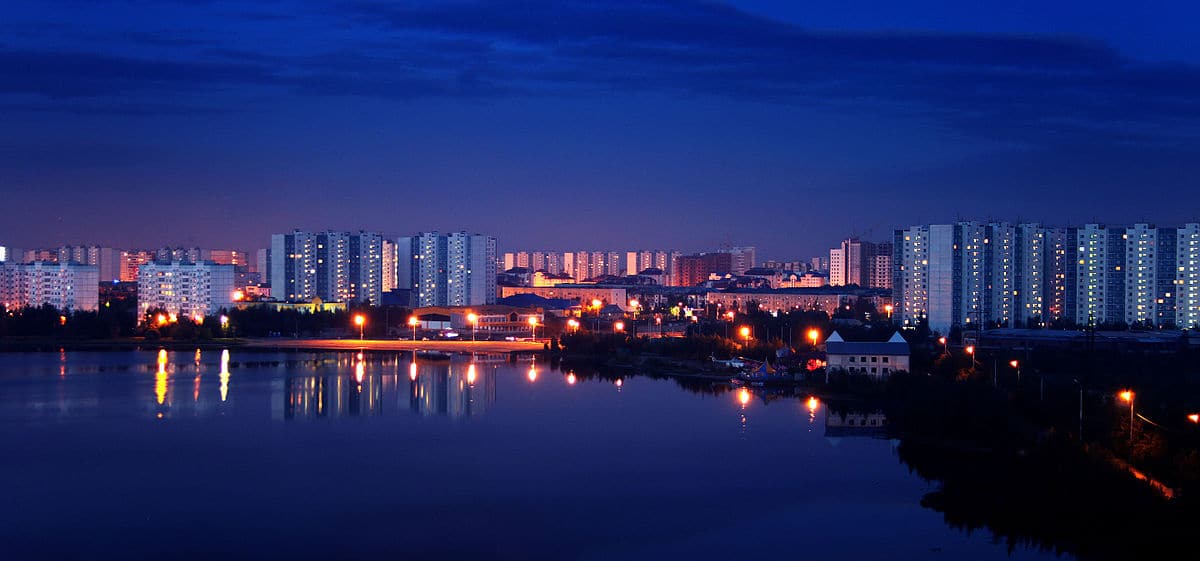
| Country | Russia |
| Population | 251694 |
| Area | 271.319 km2 (104.757 sq mi) |
| Time Zone | UTC+5 (MSK+2 [7]) |
| Coordinates | 60.95, 76.6 |
| Highest elevation | 45 m (148 ft) |
City Gallery




City Description
Nizhnevartovsk, a dynamic city in Russia’s Khanty-Mansi Autonomous Okrug, is known as one of the major oil capitals of Russia. With a population of around 280,000, Nizhnevartovsk is an industrial hub located in Western Siberia, along the banks of the Ob River. The city’s wealth and rapid development are directly linked to Russia’s oil industry, as it sits near the Samotlor oil field, one of the largest in the country and among the largest oil fields in the world. Although it has a modern feel and is heavily influenced by the energy sector, Nizhnevartovsk is also home to a resilient community, rich Siberian culture, and the stunning landscapes of the Russian north.
Nizhnevartovsk’s history is closely tied to the discovery of oil in the Samotlor field in the late 1960s. Before that, it was a small, quiet village along the Ob River, primarily inhabited by the indigenous Khanty and Mansi peoples, who lived off fishing, hunting, and gathering. The oil boom of the 1960s and 1970s completely transformed the area, bringing thousands of workers and developers who quickly built infrastructure, homes, and industries around the oil sector. By 1972, Nizhnevartovsk was officially granted city status, and since then, it has continued to grow as a vital center of the Russian energy industry. The influence of the Soviet era is still visible in parts of the city’s architecture, though much of it has been modernized to support the city’s growing population and economic importance.
Geographically, Nizhnevartovsk is located in the vast West Siberian Plain, characterized by taiga forests, rivers, and wetlands. The region has a subarctic climate, with long, harsh winters where temperatures can plunge as low as -40°C (-40°F) and short, mild summers that rarely reach above 25°C (77°F). The Ob River, which flows nearby, is one of the longest rivers in Russia and adds scenic beauty to the landscape, as well as serving as a key transportation route during the warmer months. Due to the permafrost and challenging terrain, the area is difficult to navigate, which made the initial oil extraction projects ambitious and costly. However, the development of Nizhnevartovsk showcases the tenacity and engineering prowess that enabled the city to thrive despite the severe climate and remote location.
Culturally, Nizhnevartovsk is a unique mix of Russian, Siberian, and indigenous Khanty and Mansi influences. The city celebrates various cultural events that highlight both traditional Siberian customs and modern Russian life. One of the biggest annual events is Oil Workers’ Day, celebrated in September to honor the thousands of residents who work in the oil industry. This holiday includes concerts, parades, and festivities that bring the whole community together. Nizhnevartovsk is also home to several museums, including the Nizhnevartovsk Museum of Local Lore, where visitors can learn about the city’s history, the indigenous culture, and the development of the oil industry. The indigenous Khanty and Mansi communities contribute to the cultural landscape as well, with traditional crafts, music, and festivals that showcase their deep connection to the land. Winters here are celebrated with typical Russian enthusiasm, and activities like ice fishing, cross-country skiing, and even winter festivals are popular.
Human resources in Nizhnevartovsk are highly specialized due to the demands of the oil industry, with many residents working as engineers, geologists, technicians, and other skilled professionals. The city’s education system has been developed to support this workforce, with technical colleges and training centers offering programs in engineering, energy, and other technical fields. Nizhnevartovsk State University, the largest educational institution in the city, plays a crucial role in providing higher education and specialized training for young people entering the local workforce. Besides the oil sector, people also work in construction, trade, and public services, contributing to a workforce that is skilled, adaptable, and deeply connected to the energy industry.
Economically, Nizhnevartovsk is one of Russia’s wealthiest cities outside of Moscow and St. Petersburg, thanks to its oil production. The Samotlor oil field alone accounts for a substantial share of Russia’s total oil output, generating billions of rubles in revenue each year. The city’s economy is heavily dependent on oil, with major energy companies, including Rosneft and Surgutneftegas, operating in the area and providing employment to tens of thousands of people. The city’s economic reliance on oil has led to a high standard of living compared to other Siberian cities, though it has also prompted concerns about sustainability and the need to diversify the economy. Local government efforts have included investments in infrastructure and programs aimed at attracting new industries, though oil remains central to Nizhnevartovsk’s identity and prosperity.
The infrastructure in Nizhnevartovsk is well-developed, particularly given the city’s remote Siberian location. The city is connected to other parts of Russia by the Nizhnevartovsk Airport, which offers regular flights to Moscow, St. Petersburg, and other major cities. Road connections, while limited due to the rugged terrain, are being expanded, with ongoing projects to improve access to nearby towns and oil fields. Within the city, public transportation includes buses and taxis, making it relatively easy to get around. Despite its northern location, Nizhnevartovsk’s buildings are modern and designed to withstand Siberian winters, with heating systems that keep homes and businesses comfortable even in extreme cold. Healthcare is accessible, with hospitals and clinics equipped to handle the city’s growing population, though specialized care often requires travel to larger cities.
Recreation in Nizhnevartovsk is shaped by its natural surroundings and cold climate. In winter, locals embrace outdoor activities like ice fishing, snowmobiling, and skiing, while summer months bring opportunities for fishing, hiking, and boating along the Ob River. The city has several parks and green spaces, including Victory Park, which is popular for walks, family outings, and seasonal festivals. For those interested in culture, the Nizhnevartovsk Drama Theater and various concert halls offer performances ranging from traditional Russian plays to modern music events. Sports are also important here, with facilities for ice hockey, soccer, and swimming, providing residents with year-round recreational options. During the long Siberian winters, indoor sports facilities and community centers play a crucial role in keeping locals active and connected.
Nizhnevartovsk’s appeal lies in its resilience and adaptability in the face of harsh conditions and reliance on the oil industry. The city’s spirit is marked by a sense of pride in its contributions to Russia’s energy sector, as well as a strong community that has developed in the shadow of the oil fields. Whether exploring the museums, participating in winter sports, or simply enjoying the unique beauty of the Siberian landscape, Nizhnevartovsk offers an experience that captures both the challenges and rewards of life in the Russian north. As it continues to evolve, the city’s mix of modern industry and Siberian tradition makes Nizhnevartovsk a fascinating place where progress and heritage are deeply intertwined.
Leave a Reply