

| Country | Serbia |
| Population | 346773 |
| Area | 129.4 km2 (50.0 sq mi) |
| Time Zone | UTC+01:00 (CET) |
| Coordinates | 45.25416666666667, 19.842499999999998 |
| Highest elevation | 80 m (262 ft) |
City Gallery




City Description
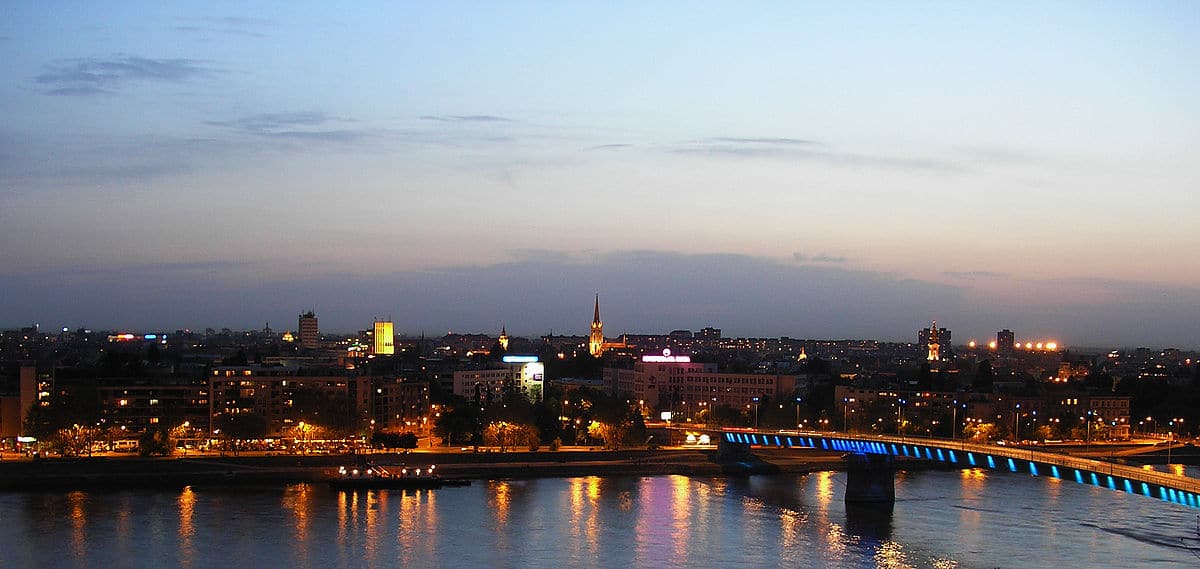
Novi Sad, the charming capital of Serbia’s Vojvodina province, is a city that combines culture, history, and natural beauty along the banks of the Danube River. With a population of about 400,000 people, Novi Sad stands as Serbia’s second-largest city and a cultural hub, known for its dynamic blend of Serbian, Hungarian, Slovak, and other Central European influences. Often called the “Serbian Athens,” Novi Sad is famous for its music festivals, historic architecture, and academic reputation, all of which give the city a lively, youthful energy that’s hard to resist.
Founded in the late 17th century, Novi Sad has grown from a small settlement into a thriving city. Its history is intertwined with the Habsburg Empire, under which it became an essential trade and cultural center. During the 19th century, the city earned its nickname as the “Serbian Athens” due to its significant contributions to Serbian art, literature, and education. The Matica Srpska, the oldest Serbian cultural and literary institution, was moved here in 1864 and remains a key symbol of the city’s intellectual heritage. Despite heavy damage during the 1999 NATO bombing, particularly to its bridges, Novi Sad has rebuilt and transformed itself, embracing both its storied past and progressive future.
Geographically, Novi Sad is located in the northern part of Serbia, sitting along the Danube River and near the slopes of Fruška Gora mountain, a beautiful national park known as the “Jewel of Serbia.” The city’s position has long made it a crucial point of connection, linking Serbia with Central and Eastern Europe. Novi Sad enjoys a continental climate, with hot summers reaching around 30°C (86°F) and cold winters, where temperatures often drop below freezing. The Danube River plays an important role in the city’s life, not only as a historical trade route but also as a center for recreation, with beaches like the popular Štrand offering locals and visitors a place to relax and enjoy the scenic river views.
Culturally, Novi Sad is vibrant and diverse. The city is best known for hosting the EXIT Festival, one of Europe’s largest music festivals, which brings in over 200,000 visitors each year to the Petrovaradin Fortress. This impressive 17th-century fortress, perched on a hill above the Danube, is one of the best-preserved in Europe and is a symbol of Novi Sad. The city’s art scene is flourishing, with galleries, theaters, and the Serbian National Theatre, which regularly hosts performances ranging from classical to modern. Novi Sad’s cuisine is an enticing mix of Serbian and Central European flavors, with dishes like goulash, ćevapi, and burek taking center stage, and many cafes and traditional “kafanas” lining the streets of the historic Stari Grad district.
Novi Sad’s human resources are shaped by a highly educated and multilingual workforce, a result of the city’s focus on education and research. The University of Novi Sad, with over 50,000 students, is one of the largest universities in the region, known for its strong programs in engineering, agriculture, and the humanities. The city’s emphasis on academia contributes to a skilled labor force, and many young professionals are entering fields such as IT, engineering, and education, giving Novi Sad a modern edge. Over 40% of the population holds a tertiary education degree, one of the highest rates in Serbia, making it a significant intellectual center in the country.
Economically, Novi Sad is one of Serbia’s most prosperous cities, benefiting from a diverse economy based on agriculture, IT, and manufacturing. As the capital of Vojvodina, Serbia’s agricultural heartland, Novi Sad has long been a center for agricultural trade and production. The Novi Sad Fair, established in 1923, is one of the largest agricultural trade fairs in Europe, attracting international exhibitors and solidifying the city’s role in the agricultural sector. The IT sector has seen rapid growth in recent years, with a growing number of tech companies setting up offices in Novi Sad, transforming it into a Serbian tech hub. The average income in Novi Sad is around 75,000 RSD per month (about $700 USD), and while cost of living is lower than in Western Europe, the city offers a comfortable lifestyle with plenty of recreational and cultural options.
Infrastructure in Novi Sad is well-developed, with an extensive public transportation system and connections to major Serbian cities by road and rail. The Žeželj Bridge, reconstructed after the NATO bombings, stands as a testament to the city’s resilience and serves as a key link over the Danube, connecting Novi Sad to Belgrade and beyond. The city’s healthcare facilities are comprehensive, with hospitals and clinics offering high-quality services to residents. The Novi Sad railway and bus stations make intercity travel convenient, and an upcoming fast-track railway connecting Novi Sad and Belgrade will cut the travel time to under 30 minutes, enhancing connectivity even further.
Sports and outdoor activities are popular in Novi Sad, with Fruška Gora National Park offering hiking, cycling, and opportunities to visit monasteries dating back to the 16th century. The city is also home to various sports clubs, with basketball, football, and water polo being particularly popular. The Vojvodina Sports and Business Center is one of the city’s main arenas, hosting numerous sports events and concerts. The locals’ love for sports is evident in the number of facilities and green spaces dedicated to recreational activities.
Novi Sad is a city that effortlessly combines tradition with modernity. Its historical buildings, cultural institutions, and bustling festivals make it a focal point for Serbian identity, while its growing IT sector and academic strength look toward a progressive future. With its welcoming atmosphere, impressive history, and beautiful surroundings, Novi Sad offers a glimpse into both Serbia’s past and its future, making it a compelling destination and a vibrant place to live. Whether you’re strolling through the picturesque streets of Stari Grad, attending a world-class music festival, or enjoying the view from Petrovaradin Fortress, Novi Sad captivates with its unique blend of heritage and innovation.
Leave a Reply