

| Country | Mexico |
| Population | 715000 |
| Area | 85.48 km2 (33.00 sq mi) |
| Time Zone | UTC−6 (CST) |
| Coordinates | 17.060555555555556, -96.72527777777778 |
| Highest elevation | 1,555 m (5,102 ft) |
City Gallery




City Description
Oaxaca, Mexico, a city known for its rich culture, colorful traditions, and incredible food, is a captivating destination located in the southern part of the country. With a population of approximately 300,000 as of 2023, it serves as the capital of the state of Oaxaca and is one of Mexico’s most vibrant cultural hubs. Nestled in a valley surrounded by the Sierra Madre mountains, the city is a blend of indigenous heritage, colonial architecture, and contemporary arts, making it a must-visit spot for travelers seeking an authentic and immersive experience.
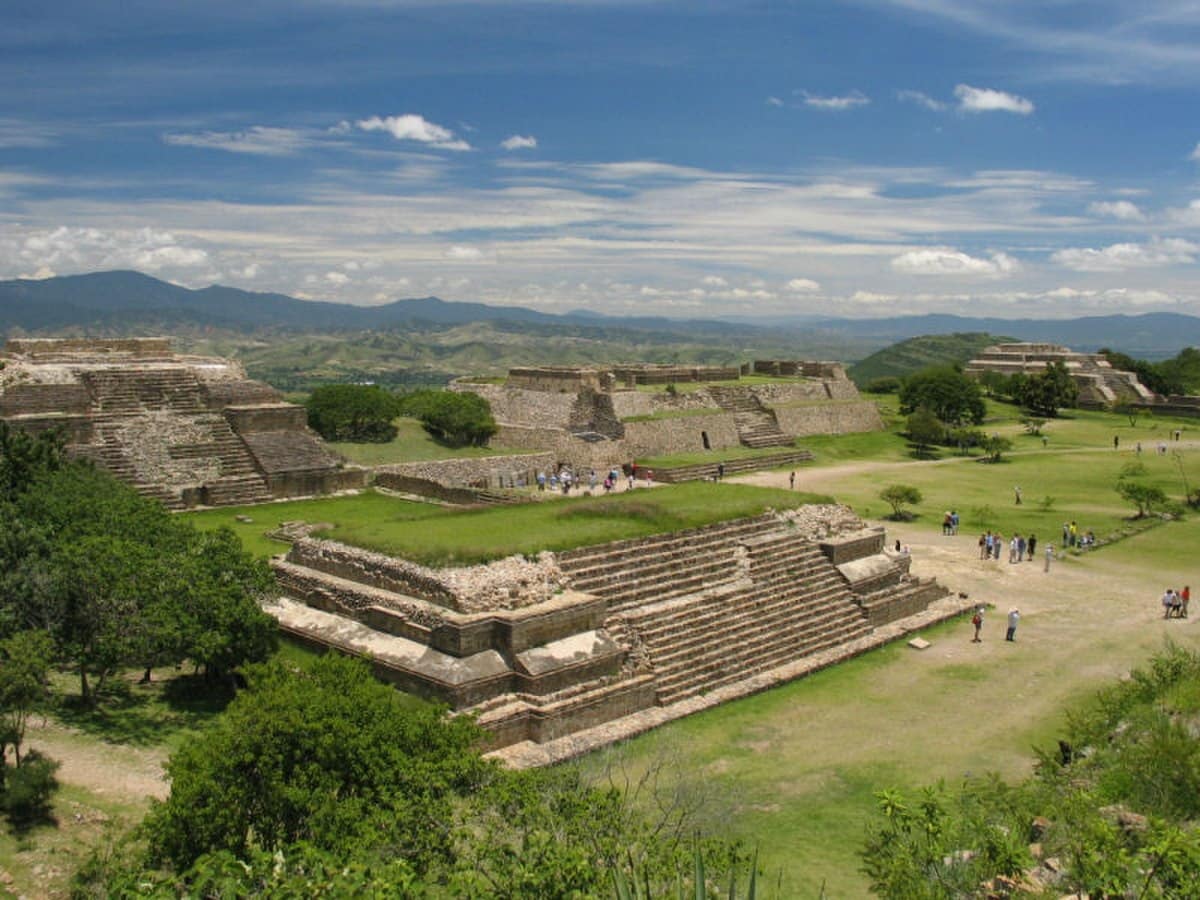
The history of Oaxaca is as diverse as its culture. Long before the Spanish arrived, the Zapotec and Mixtec civilizations flourished in the region, building impressive cities like Monte Albán and Mitla. Monte Albán, just a few kilometers outside the city, is one of Mexico’s most significant archaeological sites, showcasing pyramids, temples, and tombs that date back over 2,000 years. The Spanish founded the city of Oaxaca in 1532, naming it Antequera. They constructed beautiful colonial buildings, churches, and plazas, many of which still stand today, giving the city a timeless atmosphere. Over the centuries, Oaxaca has become a melting pot where indigenous traditions and Spanish influences merge, creating a unique and deeply rooted cultural identity.
Geographically, Oaxaca is located about 460 kilometers southeast of Mexico City. It sits in the Valles Centrales (Central Valleys) region, surrounded by mountain ranges that provide both stunning views and a temperate climate. The city’s elevation, at around 1,550 meters above sea level, contributes to its mild weather. Summers are warm, with temperatures averaging around 27 degrees Celsius, while winters are cooler but rarely drop below 10 degrees. The rainy season typically runs from May to October, transforming the surrounding valleys into lush, green landscapes. This geography not only makes Oaxaca an ideal spot for agriculture but also enhances its appeal as an outdoor destination, with opportunities for hiking, exploring natural reserves, and visiting rural communities.
The culture of Oaxaca is a vibrant tapestry woven from its indigenous roots, colonial history, and contemporary creativity. The city is famous for its festivals, especially the Guelaguetza, an annual celebration that brings together traditional dancers, musicians, and performers from across the state. This festival, held in July, showcases the rich cultural diversity of Oaxaca’s indigenous communities, each with their own distinctive clothing, music, and dance traditions. Another major event is the Day of the Dead (Día de los Muertos), celebrated with colorful altars, flower arrangements, and street parades that honor deceased loved ones. The city’s markets, such as Mercado Benito Juárez and Mercado 20 de Noviembre, are always bustling, filled with local crafts, textiles, and an array of traditional foods that offer a taste of Oaxaca’s culinary heritage.
Oaxaca’s cuisine is a major draw for both locals and tourists, earning the city a reputation as one of Mexico’s food capitals. The city is home to the famous *mole*, a rich, complex sauce made from various ingredients including chili peppers, chocolate, and spices. There are seven traditional types of mole in Oaxaca, with *mole negro* being the most well-known for its dark, smoky flavor. Street food is another highlight; from *tlayudas* (large, crispy tortillas topped with beans, cheese, and meat) to *chapulines* (toasted grasshoppers), the city’s food scene is a blend of bold flavors and indigenous culinary techniques. Mezcal, a traditional spirit made from agave, is also an integral part of the local culture, with numerous mezcalerías offering tastings and tours to educate visitors about this iconic drink.
The economy of Oaxaca is diverse, but it heavily relies on tourism, agriculture, and crafts. The city’s historical and cultural significance attracts thousands of visitors each year, supporting a thriving tourism industry. Hotels, restaurants, tour companies, and markets benefit from the influx of tourists, who come to explore Oaxaca’s colonial architecture, archaeological sites, and vibrant festivals. The city’s historic center, a UNESCO World Heritage site, is a hub for tourists, featuring landmarks like the Santo Domingo Church, the Zócalo (main square), and numerous museums and galleries that showcase the city’s artistic heritage.
Agriculture remains an essential part of Oaxaca’s economy. The fertile valleys around the city are ideal for growing a variety of crops, including corn, beans, coffee, and, of course, agave for mezcal production. Small family farms and rural cooperatives play a crucial role in sustaining the local agricultural economy, producing high-quality organic goods that are sold in local markets and exported to other parts of Mexico and abroad. The mezcal industry, in particular, has seen a resurgence in recent years, with artisanal producers gaining recognition for their traditional production methods, which involve roasting agave hearts in underground pits and distilling the spirit using copper stills.
Craftsmanship is another pillar of Oaxaca’s economy, with artisans producing some of Mexico’s most famous textiles, pottery, and wood carvings. Indigenous communities around Oaxaca specialize in traditional weaving, creating colorful textiles and clothing often seen in the city’s markets. The nearby town of San Bartolo Coyotepec is famous for its black pottery, while the village of San Martín Tilcajete is known for its *alebrijes*, brightly painted wooden animals and fantastical creatures. These crafts not only provide income for local families but also preserve cultural traditions that have been passed down through generations.
The human resources of Oaxaca are deeply influenced by its educational and creative sectors. The city is home to the Universidad Autónoma Benito Juárez de Oaxaca (UABJO), which offers a range of programs from arts and humanities to law and medicine, contributing to the development of a skilled local workforce. In addition to the university, there are numerous vocational schools that focus on trades such as woodworking, metalworking, and textile production, supporting the city’s artisan industries. The presence of these educational institutions also fosters a dynamic, youthful atmosphere, with many students engaging in cultural projects, start-ups, and social enterprises that contribute to the city’s vibrancy.
Real estate in Oaxaca has been experiencing growth, particularly in the city’s historic center and surrounding neighborhoods like Jalatlaco and Xochimilco. The colonial charm of these areas, with their cobblestone streets and colorful facades, makes them attractive to both locals and expats. The average price for a colonial-style home in these neighborhoods can range from $150,000 to $400,000 USD, depending on the size and location. Outside the historic center, newer developments offer more affordable options, catering to families and professionals seeking modern amenities while staying connected to the city’s cultural life.
Transportation in Oaxaca is well-organized, with the city served by the Xoxocotlán International Airport, which offers domestic and some international flights, connecting Oaxaca to other major cities in Mexico, such as Mexico City and Cancún. Public transportation within the city includes buses and colectivos (shared taxis), which are commonly used for getting around both the city and its outskirts. While many of the city’s attractions are within walking distance in the historic center, taxis and ride-sharing services are also available for convenient travel. Oaxaca’s roads are generally well-maintained, and the city’s compact size makes it easy for visitors to explore on foot.
Green spaces and parks are an integral part of Oaxaca’s cityscape. The *Jardín Etnobotánico de Oaxaca* is a beautifully curated botanical garden that showcases the diversity of the region’s flora, offering a peaceful retreat in the city center. The park at *El Llano* is another popular spot where locals gather for outdoor activities, picnics, and weekend markets. The surrounding mountains and valleys also offer numerous opportunities for hiking and nature excursions, with guided tours available to explore natural wonders like Hierve el Agua, a site featuring petrified waterfalls and mineral-rich pools.
Tourism is the lifeblood of Oaxaca’s economy, and the city’s local government and tourism board work hard to promote its attractions while preserving its cultural heritage. Initiatives like sustainable tourism projects focus on supporting rural communities, offering homestays and eco-tours that allow visitors to experience traditional village life while contributing directly to the local economy. The city’s focus on eco-tourism and cultural preservation has made it a popular destination for travelers seeking authentic experiences, and these efforts have helped boost local businesses, from mezcal producers to craft cooperatives.
Despite its many strengths, Oaxaca faces challenges, particularly in terms of managing urban growth while preserving its cultural heritage. Traffic congestion, especially during peak tourist seasons, is a common issue, as is the need for improved infrastructure in some parts of the city. The local government is actively working on projects to enhance public transportation and expand green spaces, ensuring that the city’s development remains sustainable. Additionally, environmental initiatives aim to protect the surrounding natural areas and reduce pollution, supporting both the city’s livability and its appeal as a destination for nature and culture enthusiasts.
Oaxaca is a city that beautifully blends tradition and modernity. Its rich history, stunning landscapes, and vibrant culture make it a place where the past and present coexist harmoniously. Whether you’re exploring ancient ruins, savoring a plate of *mole negro*, or watching a parade of dancers in traditional costumes during the Guelaguetza, Oaxaca offers a sensory and cultural experience like no other, highlighting the best of Mexico’s heritage and innovation.
Leave a Reply