

| Country | Bolivia |
| Population | 351802 |
| Area | 1,633 km2 (631 sq mi) |
| Time Zone | UTC-4 (BOT) |
| Coordinates | -17.966666666666665, -67.11666666666666 |
| Highest elevation | 3,735 m (12,254 ft) |
City Gallery




City Description
Oruro, a captivating city located in the western highlands of Bolivia, is known for its rich mining history and vibrant cultural heritage. Situated at an altitude of about 3,706 meters above sea level, Oruro is one of the highest cities in the world, with a population of approximately 250,000 residents. The city serves as the capital of the Oruro Department and is a vital hub for mining, particularly tin and silver, which has significantly shaped its economic and social landscape.
Historically, Oruro has roots that trace back to pre-Columbian times, when it was inhabited by indigenous groups such as the Uru and Aymara peoples. The city was officially founded in 1606 by Spanish colonizers and quickly became a key mining center during the Spanish colonial era, largely due to the rich mineral deposits in the surrounding mountains. Oruro’s mining activities flourished in the 19th century, making it one of Bolivia’s most prosperous cities. The city is also famous for its annual Carnival, which has been declared a Masterpiece of the Oral and Intangible Heritage of Humanity by UNESCO. This vibrant celebration features colorful parades, traditional dances, and elaborate costumes, drawing thousands of visitors every year.
Geographically, Oruro is set against a dramatic backdrop of mountains and valleys, making it a visually stunning location. The climate is characterized by a cold highland climate, with daytime temperatures averaging around 15°C and nighttime temperatures dropping to near freezing in the winter months. Rainfall is common during the summer months from November to March, contributing to the region’s unique ecosystems. The city’s altitude and location provide spectacular views of the surrounding Andes mountains, enhancing its natural beauty and attracting outdoor enthusiasts.
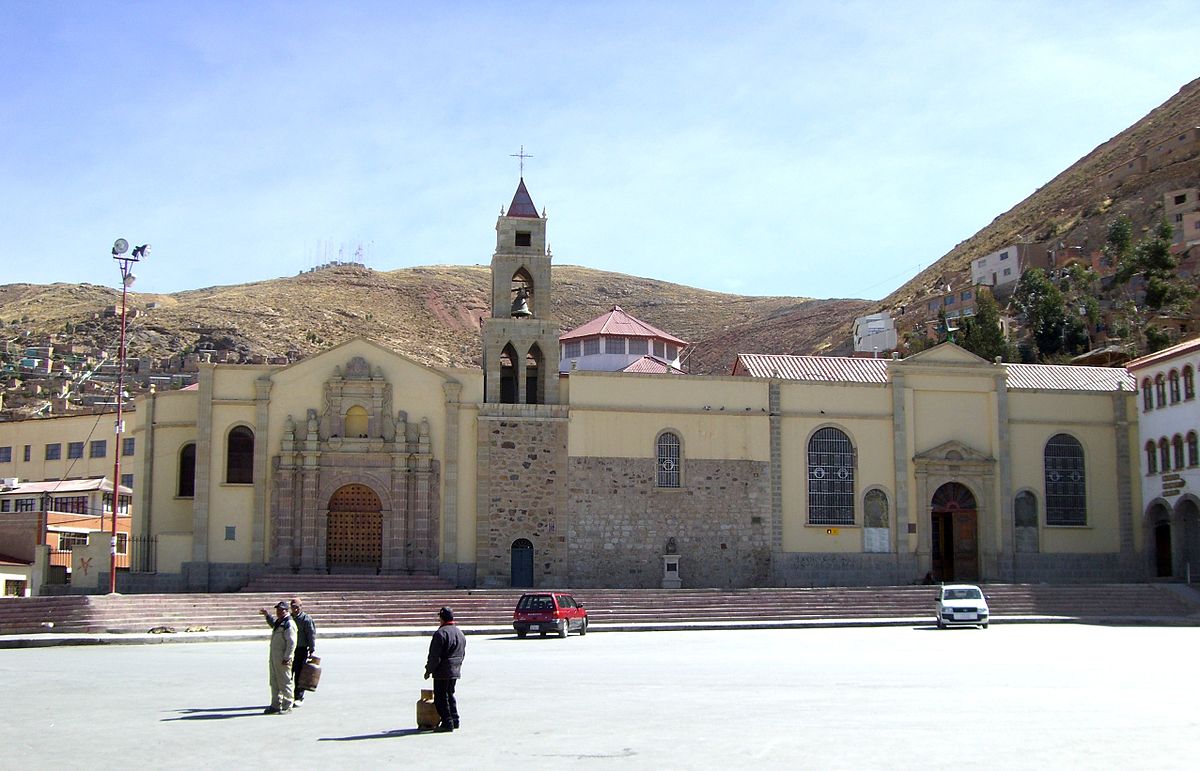
Culturally, Oruro is a vibrant melting pot of traditions, particularly influenced by its indigenous heritage and colonial history. The Carnival of Oruro is the city’s most famous cultural event, celebrated with enthusiasm and pride. This event includes elaborate costumes, folkloric dances, and music that reflects both indigenous and Spanish traditions. The Diablada, Morenada, and Caporales dances are some of the highlights of the carnival, showcasing the rich cultural diversity of the region. The city is also home to various museums and historical sites, such as the Museo Nacional de Arte and the historic San Felipe de Neri Church, which reflect Oruro’s artistic and architectural heritage.
Human resources in Oruro are shaped by the city’s educational institutions and the strong emphasis on community involvement. The city is home to several universities and technical schools, including the Universidad Técnica de Oruro, which provides education in fields such as engineering, mining, and social sciences. This focus on education has contributed to a literate population, with an increasing number of residents pursuing higher education and vocational training. The community spirit in Oruro is strong, with various organizations and initiatives promoting cultural preservation, environmental sustainability, and social development.
Economically, Oruro has long been known for its mining industry, particularly tin and silver extraction, which has historically been the backbone of the local economy. The city has seen fluctuations in the mining sector due to global market changes, but it remains a significant contributor to the region’s economic stability. Additionally, agriculture plays a vital role in the economy, with local farmers cultivating crops such as potatoes, quinoa, and other Andean staples. In recent years, Oruro has begun to diversify its economy, with an increasing focus on tourism, particularly linked to the Carnival and the natural beauty of the surrounding area. The city has invested in improving infrastructure and services to accommodate tourists, enhancing its appeal as a travel destination.
Oruro is a city that beautifully encapsulates the spirit of Bolivia, where history, culture, and natural beauty converge. From the colorful festivities of Carnival to the stunning landscapes of the Andes, Oruro offers a unique experience that reflects the heart of Bolivian culture. Whether exploring its historical sites, participating in local celebrations, or simply enjoying the breathtaking views, Oruro invites everyone to discover its rich heritage and vibrant community.
Leave a Reply