

| Country | Indonesia |
| Population | 387493 |
| Area | 395.06 km2 (152.53 sq mi) |
| Time Zone | UTC+8 (Indonesia Central Time) |
| Coordinates | -0.895, 119.85944444444443 |
| Highest elevation | 118 m (387 ft) |
City Gallery




City Description
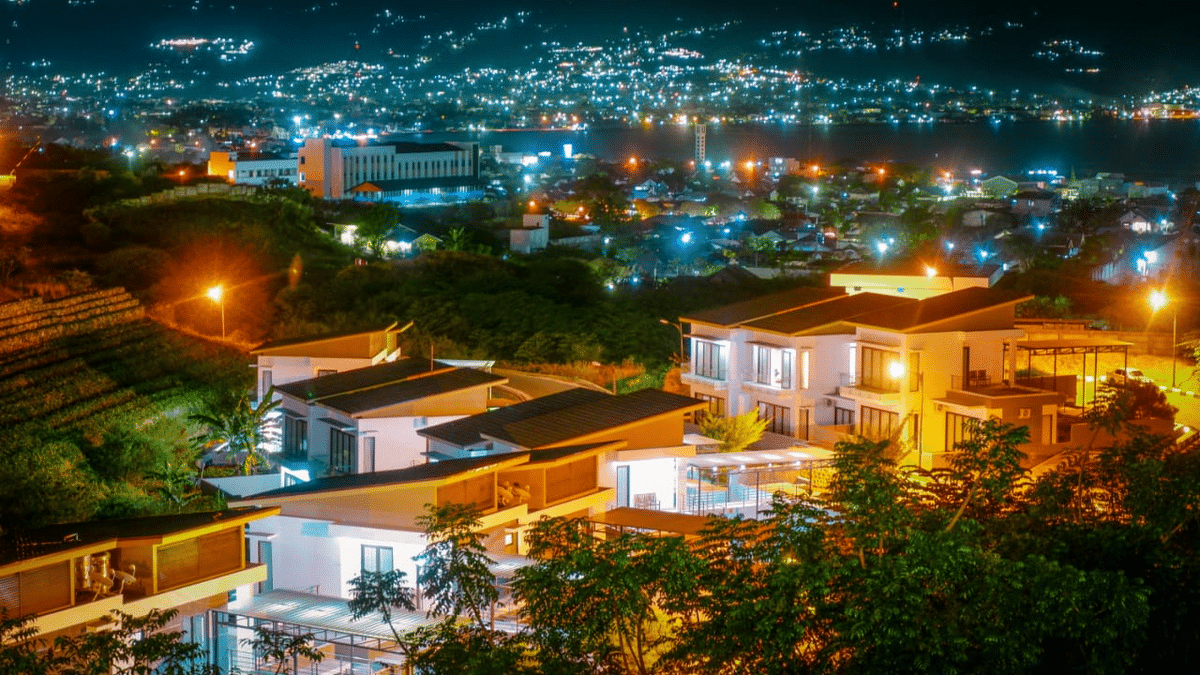
Palu, the vibrant capital of Central Sulawesi in Indonesia, is a city that embodies resilience, natural beauty, and rich cultural traditions. Situated along the coast of the Palu Bay, with the backdrop of lush mountains, Palu covers an area of about 395 square kilometers and is home to approximately 350,000 people. Despite being thrust into the global spotlight following the devastating earthquake and tsunami in 2018, Palu has been on a path to recovery, rebuilding itself with a strong community spirit and determination.
Palu’s history stretches back centuries, with its roots tied to the rich traditions of the Kaili people, the indigenous ethnic group of the region. Before becoming a modern city, Palu was part of the Sultanate of Banawa, an influential kingdom in Sulawesi known for its trade networks and cultural exchange. The city grew under Dutch colonial rule in the early 20th century, developing into a regional administrative center. Today, Palu stands as a blend of traditional and modern Indonesia, where centuries-old customs coexist with the hustle and bustle of city life.
Geographically, Palu enjoys a stunning location at the mouth of the Palu River, where it flows into the picturesque Palu Bay. The city is surrounded by mountains, creating a unique geography that contributes to its distinctive climate. Palu is one of Indonesia’s driest cities, with a semi-arid climate that is unusual for the typically humid and tropical Indonesian archipelago. It receives an average annual rainfall of just about 800 millimeters, mostly concentrated between December and March. The temperatures remain consistently warm throughout the year, ranging between 24°C to 34°C (75°F to 93°F). The dry, sunny weather makes Palu a perfect spot for those who love outdoor activities like hiking, paragliding, and exploring hidden beaches.
Culturally, Palu is a melting pot of traditions, with a strong influence from the Kaili people, who are known for their rich folklore, dances, and traditional music. The city’s annual Palu Nomoni Festival, held every September, is a colorful celebration that includes traditional dances, music performances, boat races, and cultural parades. The festival highlights the diverse heritage of the local communities, bringing together different tribes from across Sulawesi to showcase their unique customs. The traditional “Lombo” dance, accompanied by the rhythmic beats of gongs and drums, is a must-see, capturing the spirit of the Kaili people.
The people of Palu, known as Palunese, are renowned for their hospitality, resilience, and strong community bonds. Following the 2018 disaster, which saw a magnitude 7.5 earthquake and subsequent tsunami devastate the city, the Palunese showed incredible resilience in rebuilding their lives. The city has a relatively young population, with a median age of around 28 years. Education is highly valued, and Palu is home to several universities and colleges, such as Tadulako University, which is one of the leading institutions in eastern Indonesia. These educational institutions play a crucial role in developing the city’s skilled workforce, especially in fields like agriculture, fisheries, and disaster management.
Economically, Palu has traditionally relied on agriculture, fisheries, and trade. The fertile plains surrounding the city are ideal for growing crops like rice, corn, and cocoa, which are key contributors to the local economy. In recent years, Palu has been focusing on diversifying its economic base by promoting tourism and small-scale industries. The city’s location along the Makassar Strait makes it an important hub for shipping and logistics in eastern Indonesia. The Special Economic Zone (SEZ) in Palu is a major project aimed at attracting foreign and domestic investments in manufacturing, food processing, and export-oriented industries.
Real estate in Palu is relatively affordable compared to other major Indonesian cities like Jakarta or Bali. The average price for residential properties in the city center ranges from IDR 5 million to IDR 7 million per square meter ($350 to $500), depending on the location. Renting a modest two-bedroom apartment typically costs between IDR 2 million to IDR 3 million ($130 to $200) per month. Popular residential areas include Palupi, Tondo, and South Palu, where you can find a mix of modern homes and traditional wooden houses. The real estate market is slowly picking up as the city continues its recovery efforts, with new housing developments and infrastructure projects underway.
Transportation in Palu is mostly road-based, with a network of minibuses (angkot), motorcycles, and taxis serving the city’s residents. The city’s main gateway is the Mutiara SIS Al-Jufrie Airport, which connects Palu to major Indonesian cities like Jakarta, Makassar, and Surabaya with daily flights. The Trans Sulawesi Highway runs through Palu, providing easy access to other cities in Central Sulawesi and beyond. For local travel, many residents rely on motorcycles, which are popular due to the city’s narrow streets and hilly terrain.
Healthcare in Palu has been steadily improving, especially after the 2018 disaster highlighted the need for better medical infrastructure. The city has several public hospitals, such as Undata Regional Hospital, as well as private clinics and health centers. Efforts are being made to expand healthcare access, particularly in underserved areas, with the help of both government initiatives and international aid organizations.
The culinary scene in Palu is a delightful mix of traditional Kaili flavors and Indonesian staples. The city is known for its spicy dishes, especially “Kaledo,” a traditional soup made from beef shank and bone marrow, served with a tangy tamarind broth. Other local favorites include “Binte Biluhuta,” a corn soup mixed with fish and spices, and “Sayur Kelor,” a nutritious vegetable dish made with moringa leaves. The bustling Manonda Market is a great place to sample local snacks like fried bananas (pisang goreng) and the refreshing dessert “Es Palu Butung,” made from bananas, coconut milk, and syrup.
Tourism in Palu is slowly gaining momentum, thanks to its natural beauty and adventure tourism opportunities. The city is surrounded by scenic mountains and coastline, making it a great base for exploring the region. For outdoor enthusiasts, the nearby Matantimali Hills are a popular spot for paragliding, offering stunning views of Palu Bay and the surrounding landscape. The Taman Nasional Lore Lindu (Lore Lindu National Park), about three hours from Palu, is home to diverse wildlife, ancient megaliths, and trekking routes through dense forests. The beaches along Donggala, just a short drive from the city, are perfect for diving, snorkeling, and enjoying the sunset.
Despite its many strengths, Palu continues to face challenges, particularly in terms of infrastructure and disaster resilience. The 2018 earthquake and tsunami caused significant damage to roads, bridges, and buildings, but the city has been working hard to rebuild. There’s a strong focus on making Palu more resilient to future natural disasters, with investments in early warning systems, better urban planning, and community training programs. The local government is also promoting sustainable development initiatives, such as eco-tourism and green energy projects, to ensure that Palu can grow while preserving its natural environment.
Palu is a city that truly embodies the spirit of resilience and renewal. Whether you’re exploring its colorful markets, hiking in the nearby hills, or simply taking in the stunning views of the bay, Palu offers a unique blend of natural beauty and cultural richness. It’s a place where tradition meets modernity, where the people’s warmth and resilience shine through, even in the face of adversity. For those looking to experience a different side of Indonesia, away from the usual tourist spots, Palu is a city that promises a warm welcome and a journey full of discovery.
Leave a Reply