


| Country | Philippines |
| Population | 689992 |
| Area | 46.57 km2 (17.98 sq mi) |
| Time Zone | UTC+8 (PST) |
| Coordinates | 14.500833333333333, 120.99138888888889 |
| Highest elevation | 11 m (36 ft) |
City Gallery






City Description
Parañaque is a bustling city located in the National Capital Region of the Philippines, just south of the iconic Makati and Manila. With a population of over 600,000 people, it is one of the 16 cities that make up Metro Manila, the country’s political, economic, and cultural hub. Parañaque is strategically positioned along the Manila Bay, making it a key area for business, trade, and tourism. The city covers an area of around 46 square kilometers and serves as a bridge between the heart of Metro Manila and the nearby provinces of Cavite and Batangas.
Historically, Parañaque has evolved from a small fishing village into a thriving urban city. It was originally founded as a part of the province of Cavite during the Spanish colonial period in the 16th century. Its name is believed to come from the word “Parian,” meaning “a place to trade,” reflecting its early role in the regional economy. Over the years, Parañaque grew steadily as a residential area and became known for its agricultural output, particularly rice, which was cultivated in the city’s many rice fields. The development of the city gained momentum in the 20th century, particularly after the establishment of Manila International Airport (now Ninoy Aquino International Airport, or NAIA), which is located in Parañaque’s northernmost part, further boosting its growth and importance.
Geographically, Parañaque is located in a coastal area, with Manila Bay to the west and a mix of residential, commercial, and industrial zones scattered across the city. Its proximity to major roads such as the South Luzon Expressway (SLEX) and the Manila-Cavite Expressway (CAVITEX) makes it well-connected to other parts of Metro Manila and beyond, ensuring easy access for both businesses and commuters. The city’s natural environment consists of low-lying areas, with some reclaimed land from Manila Bay, especially near the airport. Despite being part of Metro Manila, Parañaque is known for having a mix of residential communities, shopping malls, office spaces, and green spaces, providing a more relaxed urban environment compared to other bustling districts of the metropolis.
The culture of Parañaque is rich and diverse, deeply influenced by its history, the local Filipino way of life, and its position in Metro Manila. The city’s residents, known as Parañaqueños, celebrate a variety of traditional Filipino festivals, such as the “Festa de Parañaque,” which honors the city’s patron saints. This lively celebration features street dances, parades, and a showcase of local food, crafts, and music. Parañaque is also home to a thriving food scene, with both traditional Filipino dishes and international cuisines being widely available. Many restaurants and food hubs cater to the urban middle class, offering a range of casual dining experiences, from local eateries to upscale restaurants.
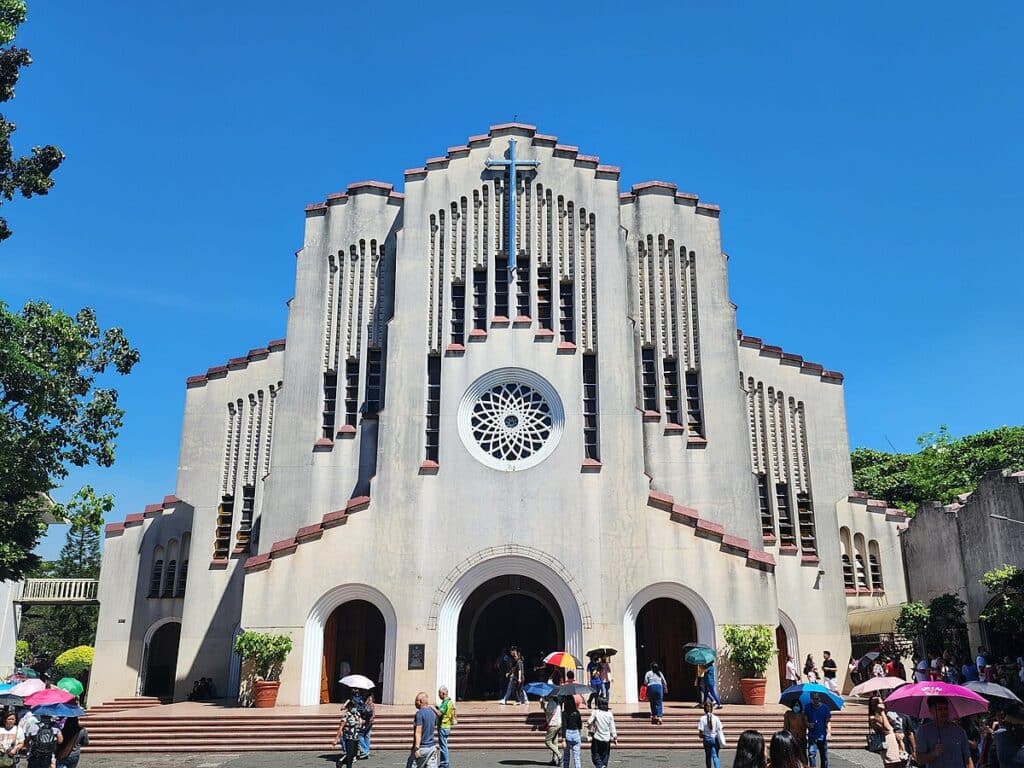
The city’s cultural landscape also includes various churches and landmarks. The Baclaran Church, for instance, is a major pilgrimage site and one of the largest Catholic churches in the Philippines, famous for its Novena masses, attracting thousands of devotees weekly. On the other hand, the city’s proximity to the bay makes it a popular area for leisure and entertainment, with several resorts and hotels catering to both local and foreign tourists.
Parañaque’s human resources have evolved with the rapid urbanization of the city. The city’s workforce is diverse, with many residents employed in industries ranging from manufacturing and trade to hospitality and customer service. The city’s proximity to both the airport and key commercial hubs like Makati and Pasay also means that Parañaqueños have access to a wide range of employment opportunities in these areas. The workforce in Parañaque is skilled, with many professionals working in fields like retail, business process outsourcing (BPO), hospitality, and finance. Education in the city has also improved over the years, with institutions like Parañaque National High School, St. Paul College, and the University of Perpetual Help providing accessible education to the local population.
Economically, Parañaque plays a significant role in Metro Manila’s growth. Its commercial centers, such as the SM City Sucat and Ayala Malls Manila Bay, are among the most popular shopping destinations in the region. The city is also a major player in the tourism and hospitality industry, thanks to its proximity to the airport and various leisure establishments. The Manila Bay area, with its scenic views and numerous hotels, restaurants, and casinos, contributes greatly to the city’s economy. The city also has a growing number of office buildings, attracting businesses from industries such as retail, tourism, BPO, and manufacturing.
One of the most significant economic drivers for Parañaque is its location near Ninoy Aquino International Airport (NAIA). As the main international gateway to the Philippines, the airport brings in millions of tourists and business travelers each year, making Parañaque a key area for travel, logistics, and aviation services. The airport’s expansion plans and its role as a hub for both local and international flights have spurred the development of nearby areas, increasing the demand for hotels, office spaces, and commercial establishments in the city.
In addition to retail and tourism, Parañaque has also become a growing hub for residential real estate development. The city has witnessed the rise of numerous condominium buildings and mixed-use developments, catering to the increasing demand for urban living. Areas such as BF Homes, a prominent residential area, have seen significant growth, with families, retirees, and young professionals choosing to live in the city due to its accessibility, safety, and proximity to commercial centers.
Despite its economic success, Parañaque faces several challenges. Like many parts of Metro Manila, the city struggles with traffic congestion, especially in areas near the airport and key commercial districts. The high volume of vehicles and limited public transport options make commuting in the city difficult at times. To address these issues, the city government has been working on improving infrastructure and transportation systems, including road widening projects, new overpasses, and the expansion of public transportation routes.
Environmental concerns also exist, with the city facing challenges related to flooding, waste management, and pollution. Its proximity to the coast means that Parañaque is vulnerable to flooding, especially during the rainy season, which has prompted local authorities to invest in drainage systems and flood mitigation projects. Additionally, the city has been involved in efforts to promote environmental sustainability, with initiatives to reduce waste, promote recycling, and improve the cleanliness of local streets.
In conclusion, Parañaque is a dynamic city that has transformed into a thriving urban center, balancing residential, commercial, and industrial growth with a rich cultural heritage. Its proximity to major transportation hubs, a skilled workforce, and a growing economy make it a key player in the Metro Manila region. Whether through its role as a tourism hub, its flourishing real estate market, or its position as a key commercial center, Parañaque continues to evolve, offering both residents and visitors a unique blend of modern urban life and Filipino cultural traditions.
Leave a Reply