


| Country | Russia |
| Population | 991162 |
| Area | 799.68 km2 (308.76 sq mi) |
| Time Zone | UTC+5 (MSK+2 [10]) |
| Coordinates | 58.0, 56.31666666666667 |
| Highest elevation | 171 m (561 ft) |
City Gallery





City Description
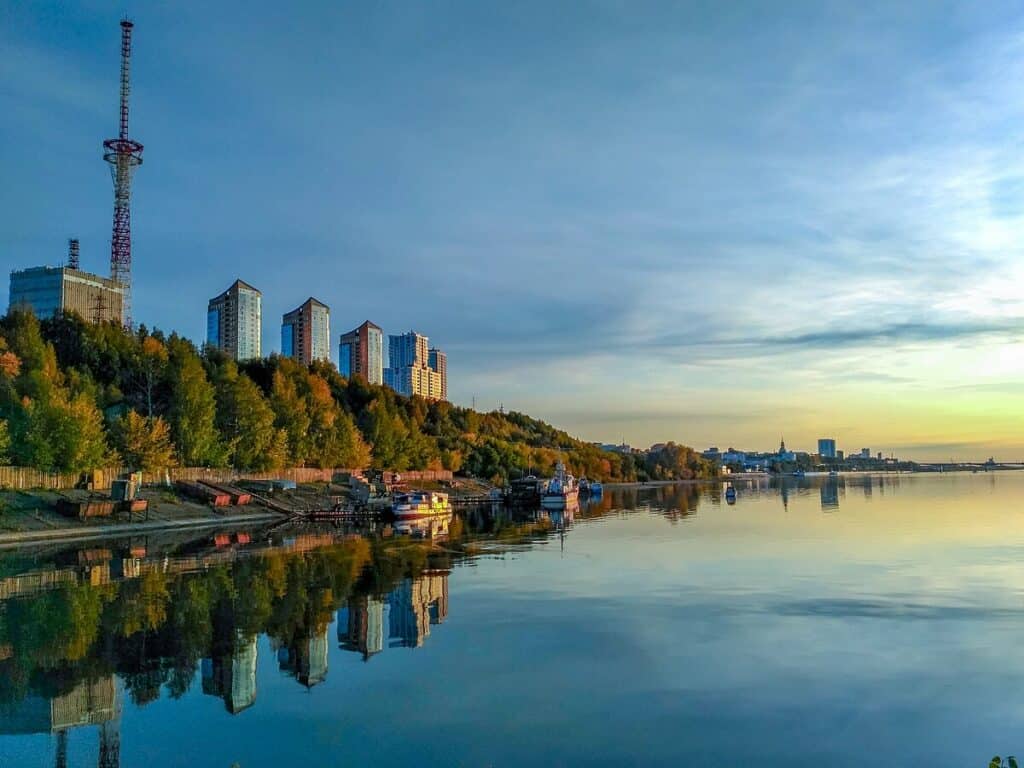
Perm, a city in western Russia, is one of those places that manages to balance its rich history with a bustling modern life. Nestled on the banks of the Kama River, Perm is the administrative center of Perm Krai and is one of the largest cities in the Ural region. With a population of around 1 million people and covering an area of about 800 square kilometers, Perm is both a major industrial hub and a cultural hotspot. The city sits just west of the Ural Mountains, often considered the natural boundary between Europe and Asia, making Perm a fascinating blend of both worlds.
The history of Perm dates back to the 18th century, when it was officially founded in 1723 by the decree of Tsar Peter the Great. The city’s name is believed to have originated from the Finno-Ugric word “Perama,” which means “faraway land.” Perm grew rapidly as a major industrial center, especially after the construction of the Trans-Siberian Railway in the late 19th century, which turned it into a crucial transportation hub linking European Russia to Siberia and the Far East. During World War II, Perm (then known as Molotov) became a vital location for Soviet industry, producing munitions and equipment that supported the war effort. Today, the city maintains its status as a key industrial powerhouse while also emerging as a center for culture and education in the Urals.
Geographically, Perm is beautifully positioned along the Kama River, one of Russia’s largest rivers, which flows into the mighty Volga. The city enjoys a continental climate, with cold, snowy winters where temperatures can drop to -20°C (-4°F) and mild summers that average around 20°C (68°F). The area is known for its dense forests and picturesque landscapes, which are especially stunning in the fall when the leaves turn vibrant shades of red, orange, and yellow. Perm’s location near the Ural Mountains also offers easy access to outdoor activities like hiking, skiing, and exploring the vast taiga forests.
Culturally, Perm is one of Russia’s most creative cities. It’s famous for its arts scene, particularly its ballet and theater. The Perm Opera and Ballet Theatre, founded in the 19th century, is one of the oldest and most respected in Russia, known for its stunning productions and talented dancers. The city also hosts the annual Diaghilev Festival, named after the famous Russian impresario Sergei Diaghilev, who was born nearby. This festival attracts performers and artists from all over the world, turning Perm into a cultural hotspot each summer. The city’s love for the arts is also evident in its numerous galleries, museums, and street art installations, like the famous “Perm Gates,” which have become a modern symbol of the city.
Perm’s food scene is a delightful mix of traditional Russian cuisine with local Ural influences. You can find hearty dishes like *pelmeni* (dumplings filled with meat), *borscht* (beet soup), and *blini* (Russian pancakes). The region is also known for its love of mushrooms and wild berries, which are foraged from the surrounding forests. In local markets, like the Central Market, you can sample fresh produce, smoked fish, and traditional pastries. Perm is also famous for its unique version of the *strogonina*—thinly sliced frozen fish served raw, a delicacy in the colder parts of Russia.
Economically, Perm is a powerhouse, especially in the fields of heavy industry, machinery, and chemicals. The city’s economy has historically been driven by its rich natural resources, particularly oil, natural gas, and minerals. Perm is home to LUKOIL-Perm, one of Russia’s major oil companies, and the city’s petrochemical industry is one of the largest in the country. The city’s GDP is estimated to be around $18 billion USD, with key sectors including energy, metallurgy, and manufacturing. In recent years, Perm has also been investing in technology and innovation, with a growing IT sector and several tech parks aimed at attracting startups and entrepreneurs.
The city’s strategic location along the Kama River makes it an important transportation and logistics hub. Perm’s port is one of the busiest inland ports in Russia, serving as a gateway for cargo moving between the Volga River region and Siberia. The city is also well-connected by road and rail, with the Trans-Siberian Railway passing through it, providing easy access to both European Russia and the Far East. The Perm International Airport (Bolshoye Savino) offers flights to major Russian cities like Moscow, St. Petersburg, and Yekaterinburg, as well as some international destinations.
Real estate in Perm has been steadily growing, with both new residential developments and commercial projects catering to the city’s expanding population. The average price for an apartment in the city center is around 90,000 rubles per square meter (about $1,000 USD), which is relatively affordable compared to Moscow or St. Petersburg. The city has been focusing on urban renewal projects, particularly along the Kama River, where new parks, promenades, and residential complexes are being developed to improve the quality of life for its residents.
Education is a major focus in Perm, with several universities and research institutions that attract students from across Russia. The Perm State University, founded in 1916, is one of the oldest and most prestigious in the region, known for its programs in natural sciences, engineering, and economics. Perm also has a strong focus on technical education, with institutions like the Perm National Research Polytechnic University playing a crucial role in supplying skilled workers for the city’s industries. The city’s literacy rate is close to 99%, reflecting its strong educational infrastructure.
Healthcare in Perm is well-developed, with several hospitals and clinics providing high-quality medical services. The Perm Regional Clinical Hospital is one of the largest in the region, offering specialized care in cardiology, neurology, and oncology. The city has been investing in expanding healthcare access, especially in rural areas of Perm Krai, to ensure that all residents receive adequate medical attention.
The people of Perm are known for their friendliness, resilience, and love for the arts. Despite the long, harsh winters, locals find ways to enjoy life, whether it’s ice skating on frozen rivers, attending winter festivals, or simply gathering with friends in cozy cafés. The city has a thriving social scene, with a mix of trendy bars, traditional Russian *banyas* (saunas), and cultural events that keep the city lively throughout the year.
For those who love the outdoors, Perm offers plenty of natural beauty. The nearby Kungur Ice Cave is a popular destination, known for its stunning ice formations that remain frozen even in summer. The Ural Mountains are just a short drive away, offering hiking, skiing, and camping opportunities. Closer to the city, the Kama River provides a scenic backdrop for boating, fishing, and picnicking during the warmer months.
Life in Perm is a blend of the traditional and the modern. The city’s historic streets, lined with old Soviet buildings and grand 19th-century architecture, coexist with new skyscrapers, shopping centers, and tech hubs. Whether you’re exploring the city’s rich history, enjoying its cultural offerings, or simply soaking in the beauty of the Kama River, Perm is a city that leaves a lasting impression. It’s a place where Russia’s past and present come together, making it a unique destination for those looking to experience the heart of the Urals.
Leave a Reply