

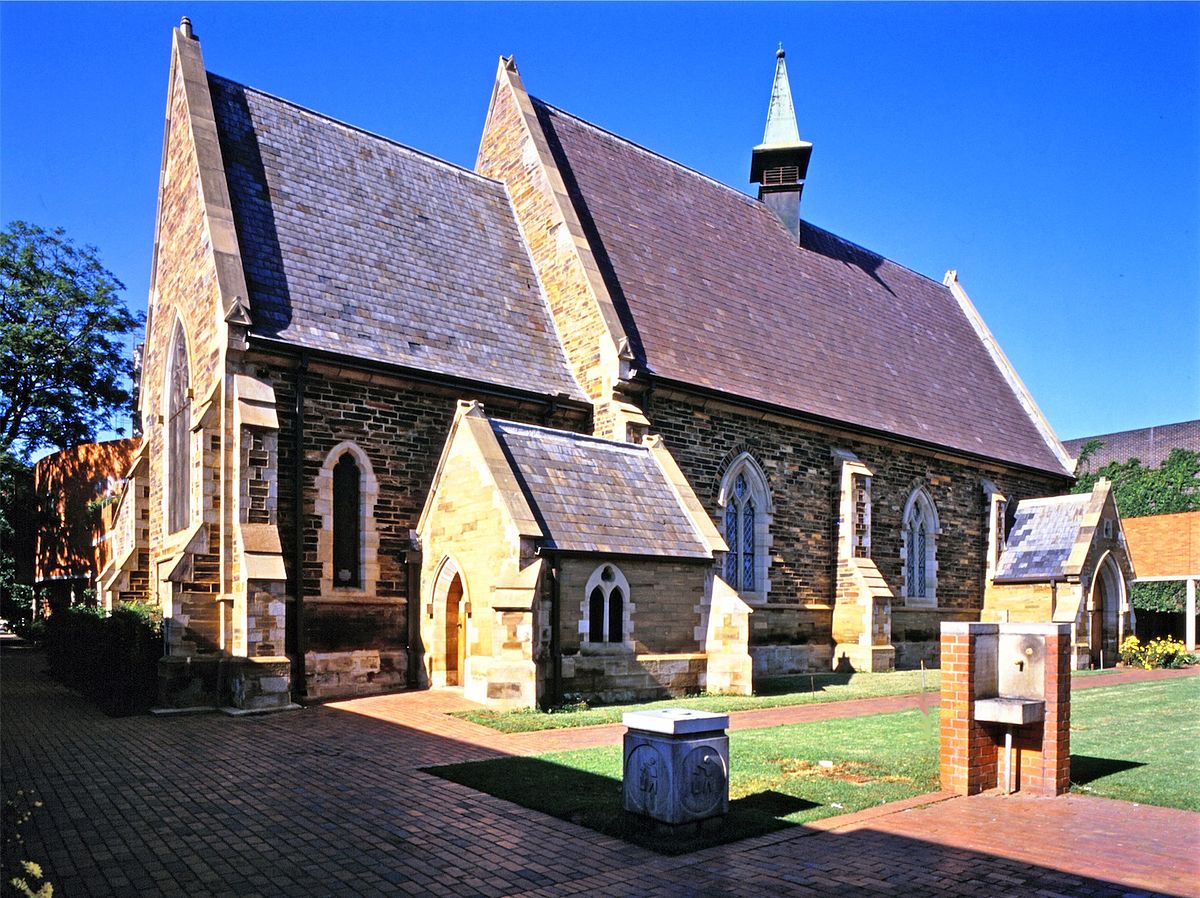
| Country | South Africa |
| Population | 839327 |
| Area | 126.15 km2 (48.71 sq mi) |
| Time Zone | UTC+2 (SAST) |
| Coordinates | -29.616666666666667, 30.383333333333333 |
| Highest elevation | 596 m (1,955 ft) |
City Gallery




City Description
Pietermaritzburg, the capital city of the KwaZulu-Natal province in South Africa, is a city that blends rich history, beautiful landscapes, and a growing urban landscape. With a population of approximately 750,000 people, Pietermaritzburg is the second-largest city in KwaZulu-Natal, after Durban. Located about 80 kilometers inland from the Indian Ocean, it is positioned at the foot of the scenic Drakensberg Mountains, offering spectacular views and an abundance of natural beauty. The city has a reputation for its charming colonial architecture, green spaces, and a slower-paced lifestyle compared to larger South African cities, making it a unique destination in the region.
The history of Pietermaritzburg dates back to the early 19th century when it was founded in 1838 by the Voortrekkers (Dutch-speaking settlers who migrated from the Cape Colony) and was originally called “Maritzburg” after the leader of the Voortrekkers, Pieter Retief, and a river near the area. The city grew rapidly in the 19th century, especially after being declared a British colonial city in 1851. It served as a key administrative center during British rule and was also a strategic location during the Anglo-Zulu War. In the 20th century, Pietermaritzburg became known for its role in the anti-apartheid movement. It was here that Nelson Mandela was famously arrested in 1962, a moment that marked a pivotal point in South Africa’s struggle for freedom.
Geographically, Pietermaritzburg is located on the eastern side of South Africa, nestled within the lush Natal Midlands. The city sits at an elevation of approximately 600 meters (1,969 feet) above sea level, which gives it a moderate climate with warm summers and cool, dry winters. Average summer temperatures hover around 28°C (82°F), while winter temperatures can dip to around 10°C (50°F). The city enjoys a subtropical climate, with rainfall being more frequent in the summer months, particularly from October to April. The surrounding areas are rich in biodiversity, with forests, wetlands, and grasslands providing ample opportunities for hiking, bird watching, and outdoor recreation.
Culturally, Pietermaritzburg has a rich and diverse heritage, reflecting its colonial past and the multicultural communities that have shaped the city. The city is known for its well-preserved Victorian and Edwardian architecture, with many of its buildings dating back to the 19th and early 20th centuries. One of the city’s iconic landmarks is the City Hall, a grand colonial building that stands in the heart of the city and is often regarded as one of the finest examples of Victorian architecture in South Africa. Pietermaritzburg also has a number of museums, art galleries, and cultural institutions that showcase its diverse history and cultural contributions, such as the Natal Museum, which features exhibits on the natural and cultural history of the region.
In addition to its architectural charm, Pietermaritzburg has a lively arts and music scene, with festivals and events taking place throughout the year. The city is home to a number of performance venues, including the Hexagon Theatre and the Natal Witness Theatre, which host a variety of local and international productions. The city also celebrates various cultural festivals, such as the annual Pietermaritzburg Arts Festival, which showcases local artists, musicians, and performers. Traditional Zulu music and dance are an integral part of the city’s cultural fabric, reflecting the strong Zulu influence in the region.
The culinary scene in Pietermaritzburg is diverse, offering a mix of traditional South African dishes, Indian-influenced cuisine, and international flavors. Local specialties include “bunny chow” (a hollowed-out loaf of bread filled with curry), “boerewors” (a traditional South African sausage), and “bobotie” (a spiced meat dish). As in much of South Africa, Pietermaritzburg is also known for its braai culture (barbecues), where people gather to grill meat and enjoy each other’s company. The city’s farmers’ markets offer fresh local produce, from fruits and vegetables to meats, cheeses, and artisanal goods.
Pietermaritzburg’s human resources are shaped by its position as an educational center in the region. The city is home to the University of KwaZulu-Natal, which offers a wide range of academic programs and has a strong reputation for research in areas such as agriculture, social sciences, and medicine. The university has a student population of around 30,000 and is a key driver of the city’s intellectual and cultural life. The city also has a number of high schools and technical colleges, with a growing emphasis on vocational training to address the needs of the local economy. Pietermaritzburg has a relatively high literacy rate, with education being one of the city’s key priorities in terms of development.
Economically, Pietermaritzburg has a diverse economy, with key sectors including manufacturing, agriculture, retail, and services. The city is an important center for the agricultural industry, particularly in the production of sugarcane, maize, and tobacco. The surrounding region, known as the Natal Midlands, is renowned for its dairy farming, and Pietermaritzburg serves as a processing hub for many agricultural products. The city’s proximity to Durban, one of South Africa’s busiest ports, has further boosted its position as an important center for trade and logistics. Many goods produced in Pietermaritzburg are transported to Durban for export.
Pietermaritzburg also has a well-established manufacturing sector, with industries ranging from food processing to textiles and chemicals. The city is home to several large industrial plants, which provide jobs to many of its residents. Retail and services have also grown significantly in recent years, with the development of shopping centers, restaurants, and service-oriented businesses. As the city has expanded, so too have the employment opportunities, especially in education, healthcare, and administration.
In terms of real estate, Pietermaritzburg offers a wide range of properties, from historic homes in the city center to modern apartments and suburban houses. The cost of living in Pietermaritzburg is relatively affordable compared to larger cities in South Africa, which has made it an attractive option for people looking for a more relaxed lifestyle. However, as the city continues to grow, there are concerns about housing affordability and urban sprawl, particularly as new developments push into the surrounding areas.
Infrastructure in Pietermaritzburg is well-developed, with a reliable road network connecting the city to Durban and other major cities in KwaZulu-Natal. The city is served by the Pietermaritzburg Airport, which offers domestic flights to and from major cities in South Africa. Public transportation within the city is limited, with taxis and minibus taxis being the primary means of transport, though the city is investing in improving its public transport options. The city also faces challenges related to traffic congestion, particularly during peak hours, as the population continues to grow.
Sustainability has become an important focus for Pietermaritzburg, with efforts to address environmental issues such as water management, waste disposal, and energy efficiency. The city has launched several initiatives aimed at reducing its environmental impact, such as encouraging recycling, promoting the use of renewable energy, and investing in green spaces. Pietermaritzburg is also working to improve its water supply and manage its natural resources more effectively, particularly given the region’s seasonal rainfall patterns and water scarcity concerns.
The people of Pietermaritzburg are known for their friendliness and strong sense of community. The city has a diverse population, with significant Zulu, Indian, and Afrikaans communities, each contributing to the rich cultural tapestry of the area. The city’s residents are proud of their history and cultural heritage and are actively involved in community initiatives, cultural events, and social services. Pietermaritzburg’s slower pace of life, coupled with its proximity to both nature and major urban centers, makes it an attractive place to live for families, retirees, and young professionals alike.
Pietermaritzburg is a city that offers a unique blend of history, culture, and economic opportunity. Its position in the heart of KwaZulu-Natal, coupled with its natural beauty, makes it a desirable place to visit and live. Whether it’s exploring its colonial architecture, enjoying the rich cultural traditions, or benefiting from its growing economy, Pietermaritzburg continues to offer a compelling mix of old-world charm and modern development. The city’s efforts to balance urban growth with sustainability and its focus on education and innovation make it a city with a bright future.
Leave a Reply