

| Country | Bulgaria |
| Population | 346893 |
| Area | 101.98 km2 (39.37 sq mi) |
| Time Zone | UTC+2 (EET) |
| Coordinates | 42.15, 24.75 |
| Highest elevation | 164 m (538 ft) |
City Gallery




City Description
Plovdiv, Bulgaria’s second-largest city, is a fascinating blend of ancient history, thriving modern culture, and charming Balkan landscapes. Located in the south-central part of Bulgaria, Plovdiv has a population of around 340,000 people and spans an area of about 102 square kilometers. It’s a city that’s as famous for its rich past—dating back over 8,000 years—as it is for its contemporary vibe, having recently earned the title of European Capital of Culture in 2019. With its cobbled streets, ancient ruins, and a growing arts scene, Plovdiv is a true gem of Eastern Europe.
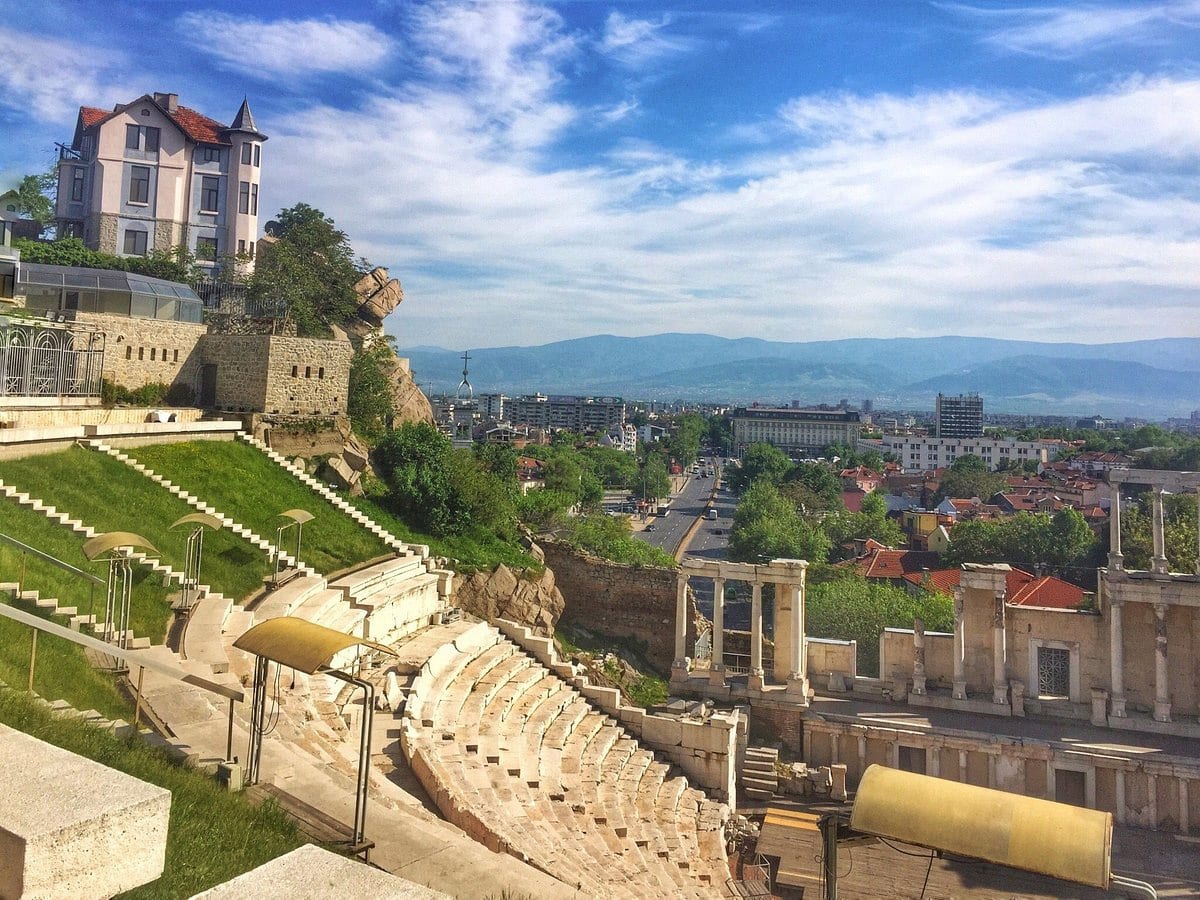
Plovdiv is one of the oldest continuously inhabited cities in the world, with its roots going back to the Neolithic period. It was originally a Thracian settlement, and later became known as Philippopolis, named after Philip II of Macedon (father of Alexander the Great) who conquered it in the 4th century BCE. Over the centuries, Plovdiv was ruled by the Romans, Byzantines, Ottomans, and finally Bulgarians, each of whom left a distinct mark on the city’s architecture, culture, and way of life. Roman Plovdiv was particularly notable, with the construction of impressive structures like the Roman Theater, which is still in use today and can seat around 3,500 spectators. After Bulgaria’s liberation from Ottoman rule in the late 19th century, Plovdiv blossomed as a major cultural and economic hub, blending its historic heritage with a spirit of progress.
Geographically, Plovdiv is beautifully situated in the Thracian Plain, surrounded by the Rhodope Mountains to the south and the Sredna Gora hills to the north. The Maritsa River flows through the city, adding to its scenic charm. Plovdiv is known for its distinctive hills—seven in total—though only six remain, as one was leveled during the 19th century. These hills, or *tepeta* as they are called locally, are a defining feature of Plovdiv, providing excellent vantage points over the city and adding character to its skyline. Plovdiv has a temperate continental climate, with hot summers where temperatures can reach 35°C (95°F), and cold winters with average lows around -2°C (28°F). The city experiences moderate rainfall, with the wettest months being May and June, which helps maintain the lush greenery around the hills and riverbanks.
Culturally, Plovdiv is one of Bulgaria’s most vibrant cities, offering a mix of historic sites, contemporary art, music, and traditional festivals. The city is divided into several distinct districts, each with its own charm. The Old Town, with its cobblestone streets and beautifully preserved 19th-century Bulgarian Revival houses, is a cultural treasure trove. Here, you can visit landmarks like the Ethnographic Museum, the Roman Theater, and ancient churches that tell the story of Plovdiv’s layered history. Kapana, or “The Trap,” is another famous district known for its artistic vibe, filled with galleries, cafes, and street art, attracting creatives from all over the country. As the 2019 European Capital of Culture, Plovdiv hosts numerous events, from music and dance performances to art exhibitions and film screenings, celebrating both Bulgarian and international culture. Traditional festivals like the Kukeri festival, with its colorful masks and costumes, are still celebrated, blending age-old traditions with the city’s modern energy.
Education in Plovdiv is well-developed, with a number of prestigious institutions serving both local and international students. Plovdiv University, named after the city’s patron saint Paisii Hilendarski, is one of Bulgaria’s major educational institutions, offering programs in science, humanities, and technology. The Medical University of Plovdiv is renowned throughout Bulgaria, attracting students interested in medical and dental programs. The city also hosts the Academy of Music, Dance, and Fine Arts, fostering the next generation of Bulgarian artists, musicians, and performers. Several secondary schools in Plovdiv offer specialized programs in languages, science, and the arts, contributing to a skilled and well-educated workforce. Education is highly valued in Plovdiv, and the city’s universities and academies play a key role in the intellectual and cultural life of the region.
The economy of Plovdiv is diverse, with strong sectors in manufacturing, information technology, logistics, and agriculture. Plovdiv is one of Bulgaria’s main manufacturing centers, home to numerous factories that produce everything from electronics and machinery to food products and textiles. The Maritsa Industrial Zone, located on the outskirts of the city, is a significant hub for logistics and industry, attracting both local and international companies. Agriculture remains an important part of the local economy as well, with the fertile Thracian Plain surrounding Plovdiv being ideal for growing fruits, vegetables, and grapes. The city’s IT sector has grown rapidly in recent years, and Plovdiv is now considered one of Bulgaria’s emerging tech hubs, with several startups and established companies based here. The city’s growing tourism industry also contributes to the economy, with visitors flocking to see its ancient landmarks, cultural sites, and vibrant art scene.
Infrastructure in Plovdiv is well-developed, with excellent transport connections that make it one of the most accessible cities in Bulgaria. Plovdiv is located along the Trakia Motorway, a major highway that connects it to Sofia, the capital, in under two hours, and also links the city to the Black Sea coast. Plovdiv’s central train station provides regular services to other Bulgarian cities, as well as connections to Turkey and Greece. The city’s public transportation system includes buses and trolleybuses, with plans underway to modernize and expand services. Plovdiv International Airport, located about 12 kilometers from the city center, offers seasonal flights and charter services, mostly catering to European tourists. The healthcare infrastructure in Plovdiv is strong, with several hospitals, private clinics, and specialized medical centers, ensuring that residents have access to quality healthcare services.
The people of Plovdiv, known for their warmth and hospitality, are a mix of Bulgarians, Roma, Turks, and other minority groups, creating a diverse and vibrant community. Bulgarian is the main language, but you’ll often hear other languages spoken, especially in areas frequented by tourists. Plovdivians are proud of their heritage and are known for their relaxed, friendly demeanor. The city’s laid-back atmosphere is particularly apparent in the summer, when locals and visitors gather at outdoor cafes and parks to socialize and enjoy the pleasant weather. Community life is central to Plovdiv, and residents actively participate in local events, religious ceremonies, and neighborhood gatherings. Orthodox Christianity is the predominant religion, but the city’s diversity means that other religions are respected and practiced as well, contributing to an atmosphere of inclusivity.
Quality of life in Plovdiv is high, thanks to its affordable cost of living, cultural richness, and access to green spaces. Housing in Plovdiv ranges from historic homes in the Old Town to modern apartments in the newer districts, catering to various budgets and preferences. The cost of living is relatively low compared to Western Europe, making Plovdiv an attractive place for expats and young professionals. Plovdiv’s many parks, including Tsar Simeon’s Garden and the Rowing Canal, offer spaces for relaxation, exercise, and family outings. The city’s healthcare and educational facilities, along with its safe and friendly environment, contribute to a high standard of living. The combination of modern amenities, a rich cultural scene, and easy access to the surrounding natural beauty makes Plovdiv an appealing place to live for people of all ages.
Shopping and dining in Plovdiv are a treat, with a mix of traditional and contemporary options that reflect the city’s diversity. The main shopping streets, such as Knyaz Alexander I Street, feature a mix of international brands, Bulgarian boutiques, and souvenir shops. The Mall Plovdiv and Markovo Tepe Mall offer more extensive shopping experiences, with a range of stores, cinemas, and restaurants. Dining in Plovdiv ranges from traditional Bulgarian taverns, or *mehanas*, to modern cafes and international restaurants. Local dishes like *shopska salad*, *kavarma* (a pork and vegetable stew), and *banitsa* (a pastry filled with cheese) are popular, as are Bulgarian wines from the nearby Thracian Valley, a renowned wine-producing region. Kapana’s cafes and bars provide a lively scene, especially in the evenings, with locals and visitors enjoying craft beers, wine, and cocktails in a relaxed, bohemian atmosphere.
Environmental sustainability is an increasing focus for Plovdiv, with initiatives aimed at preserving green spaces, reducing pollution, and promoting eco-friendly practices. The city has implemented recycling programs and is working on improving waste management to reduce its environmental impact. The recent pedestrianization of parts of the city center and the development of cycling lanes reflect Plovdiv’s commitment to reducing car traffic and encouraging sustainable transport. Public parks and green spaces are well-maintained, and local organizations frequently organize events focused on environmental awareness and conservation. Plovdiv’s historical sites are also carefully preserved, with efforts to balance tourism with the protection of its ancient landmarks.
Plovdiv is a city where history and modernity meet, offering a unique experience in the heart of Bulgaria. With its stunning ancient ruins, thriving arts scene, and friendly community, Plovdiv provides both residents and visitors with an enriching lifestyle. For locals, it’s a city of deep heritage and close community ties, where every street has a story. For travelers, Plovdiv is an invitation to step back in time, explore artistic neighborhoods, and enjoy the vibrant pace of Bulgarian life. Whether you’re visiting the Roman Theater, strolling through Kapana, or enjoying a glass of Bulgarian wine on a warm evening, Plovdiv is a city that captures the charm and soul of Bulgaria in every moment.
Leave a Reply