

| Country | Mexico |
| Population | 1436818 |
| Area | 363 km2 (140 sq mi) |
| Time Zone | UTC−6 (CST[3]) |
| Coordinates | 20.5875, -100.39277777777778 |
| Highest elevation | 1,820 m (5,970 ft) |
City Gallery




City Description
Querétaro, officially known as Santiago de Querétaro, is one of Mexico’s fastest-growing and most dynamic cities, blending a rich colonial past with a modern, innovative spirit. Located in the heart of central Mexico, about 220 kilometers northwest of Mexico City, Querétaro is both a cultural gem and an economic powerhouse. With a population of nearly 1.5 million people in its metropolitan area, this city has seen tremendous growth over the past few decades, attracting people from all over the country and beyond.
The history of Querétaro dates back to pre-Hispanic times when it was originally inhabited by the Otomi and Chichimeca peoples. The city was officially founded by the Spanish in 1531, and it quickly became an important center during the colonial period due to its strategic location on the route between Mexico City and the northern mining towns. Querétaro played a key role in Mexico’s history, being the site where the conspirators of the Mexican War of Independence, led by figures like Miguel Hidalgo and Josefa Ortiz de Domínguez, secretly met in the early 19th century. It was also here, in 1917, that the current Mexican Constitution was drafted, making Querétaro a city deeply intertwined with the country’s independence and political history.
Geographically, Querétaro is nestled in the Bajío region, known for its relatively flat terrain, mild climate, and fertile lands. The city is surrounded by picturesque mountains and valleys, providing stunning landscapes and making it a pleasant place to live. The climate is temperate, with warm summers and mild winters, averaging between 18°C (64°F) to 24°C (75°F) throughout the year. Rain is mostly concentrated in the summer months, bringing the occasional afternoon shower that refreshes the city.
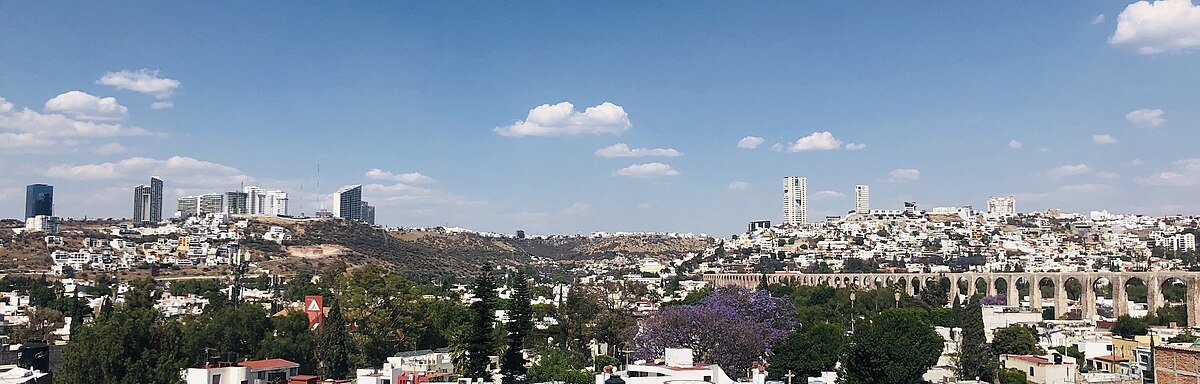
Querétaro’s historic center is a UNESCO World Heritage Site, filled with beautifully preserved colonial architecture, cobblestone streets, and charming plazas. The city’s architecture reflects its Spanish colonial heritage, with landmarks like the iconic Aqueduct, which stretches for nearly 1.3 kilometers and was built in the 18th century to bring water to the city. The baroque-style Church of Santa Rosa de Viterbo, the grand Teatro de la República, and the elegant Casa de la Marquesa are just a few examples of the city’s architectural treasures. Walking through the historic center, you’ll find lively markets, artisanal shops, and quaint cafes, making it a delightful place to explore.
Culturally, Querétaro is a vibrant city with a rich mix of traditions, festivals, and modern influences. One of the most popular events is the Fiesta de la Santa Cruz, celebrated every September, where colorful processions, traditional dances, and music fill the streets. The city is also known for its love of music, art, and theater, with numerous cultural festivals throughout the year, such as the Querétaro Experimental Festival, which showcases contemporary art and performances. The city’s museums, like the Museo Regional and the Museo de Arte, offer a deep dive into its history and artistic heritage.
Querétaro’s cuisine is a delicious blend of traditional Mexican flavors with regional specialties. One must-try dish is “enchiladas queretanas,” which are tortillas filled with cheese or chicken, topped with a rich chili sauce and served with potatoes and carrots. Another local favorite is “gorditas de migajas,” thick corn patties stuffed with pork cracklings. The city is also known for its craft beer scene and locally produced wines, as Querétaro has become one of the top wine-producing regions in Mexico, especially in the nearby town of Tequisquiapan, where you can explore vineyards and enjoy wine tastings.
Economically, Querétaro is one of the most prosperous cities in Mexico, with a GDP growth rate that consistently outpaces the national average. The city has diversified its economy over the past few decades, shifting from agriculture to becoming a hub for manufacturing, technology, and services. Querétaro is home to several industrial parks where major multinational corporations, especially in the aerospace, automotive, and IT sectors, have established their operations. Companies like Bombardier, Safran, and General Electric have chosen Querétaro as a base, taking advantage of its skilled workforce and strategic location.
The city’s booming aerospace industry is particularly noteworthy, making Querétaro the aerospace capital of Mexico. The Querétaro Aerospace Park and the Universidad Aeronáutica en Querétaro (UNAQ) have attracted significant investments, contributing to the city’s economic growth. Additionally, Querétaro has developed a strong technology sector, with a growing number of tech startups and research centers focusing on innovation and software development.
Human resources in Querétaro are one of its greatest strengths, with a young, educated, and skilled population. The city is home to several top-tier universities, including the Autonomous University of Querétaro (UAQ), Tecnológico de Monterrey, and the Universidad Anáhuac, which produce graduates in fields like engineering, business, and technology. These educational institutions, combined with technical training centers, have helped create a workforce that meets the demands of the city’s growing industries.
Querétaro has also become a popular destination for expats, particularly from the United States and Canada, who are drawn to its high quality of life, safety, and relatively affordable cost of living. The influx of foreigners has led to a more cosmopolitan atmosphere, with international restaurants, cafes, and services catering to this diverse community.
The city’s infrastructure is well-developed, with efficient public transportation, modern highways, and a well-connected airport—Querétaro Intercontinental Airport—that links it to major cities in Mexico and the United States. The city has been investing in smart city initiatives, focusing on sustainable urban planning, efficient water management, and green spaces. Querétaro’s public parks, like Alameda Hidalgo and Parque Querétaro 2000, provide locals with spaces to relax, exercise, and enjoy outdoor activities.
Recreationally, Querétaro offers a mix of historical exploration, outdoor adventures, and family-friendly activities. The nearby Peña de Bernal, one of the world’s largest monoliths, is a popular spot for hiking and rock climbing. The Sierra Gorda Biosphere Reserve, located a few hours away, offers stunning natural landscapes, waterfalls, and diverse wildlife, making it perfect for eco-tourism enthusiasts. For a taste of the region’s wine culture, the Querétaro Wine Route takes you through picturesque vineyards and charming towns where you can sample the best wines and cheeses.
Despite its rapid development, Querétaro has managed to maintain its charm and sense of community. The local government has been proactive in managing the city’s growth, focusing on sustainable development, reducing traffic congestion, and improving public services. However, like many rapidly growing cities, it faces challenges such as increasing real estate prices and the need for expanded infrastructure to keep up with its population growth.
The people of Querétaro, known as “queretanos,” are proud of their city’s heritage and welcoming to newcomers. The city’s sense of safety and community is reflected in its low crime rates, which make it one of the safest cities in Mexico. Querétaro’s warm and friendly atmosphere is evident in its bustling markets, neighborhood gatherings, and the way locals celebrate their traditions.
In summary, Querétaro is a city that beautifully balances its rich colonial past with a bright, forward-looking future. Its economic dynamism, cultural vibrancy, and commitment to sustainability make it one of the most attractive cities to live, work, and visit in Mexico. Whether you’re exploring its historic streets, tasting local wines, or attending a tech conference, Querétaro offers a unique and enriching experience that reflects the best of modern Mexico while honoring its deep historical roots.
Leave a Reply