


| Country | Kenya |
| Population | 371111 |
| Area | 292 km2 (113 sq mi) |
| Time Zone | UTC+3 (EAT) |
| Coordinates | -1.148326, 36.960436 |
| Highest elevation | 1,565 m (5,135 ft) |
City Gallery


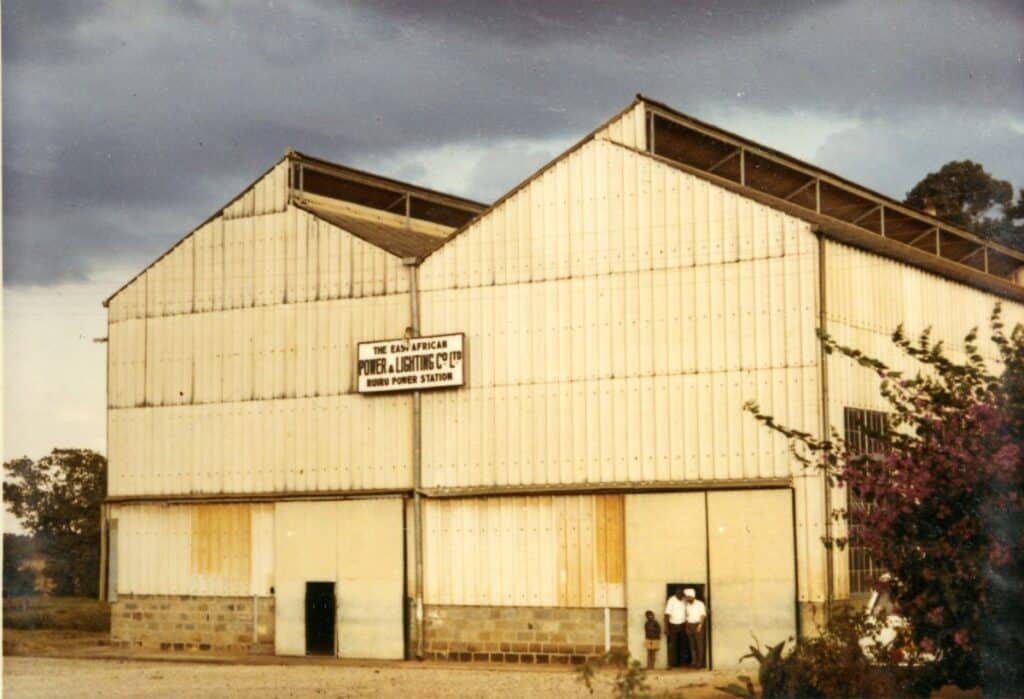


City Description
Ruiru, located about 25 kilometers northeast of Nairobi, is a fast-growing town in Kenya’s Kiambu County. Once a sleepy agricultural hub, Ruiru has transformed into a bustling satellite town, benefiting from its proximity to the capital. With a population of approximately 240,000, Ruiru has seen rapid urbanization, driven by real estate development, improved infrastructure, and its role as a commuter town for those working in Nairobi. Despite its modernization, Ruiru retains a deep connection to its agricultural roots, particularly in coffee farming, which has historically been the backbone of the local economy.
Historically, Ruiru has long been known as a key agricultural center in central Kenya, especially during the colonial period when the British established coffee plantations across the region. The area was originally inhabited by the Kikuyu community, and agriculture has always been a way of life here, particularly coffee and dairy farming. As Nairobi expanded and Kenya’s population grew, Ruiru’s strategic location along major transport routes led to its gradual urban development, particularly in the late 20th century. The completion of the Thika Superhighway in 2012 accelerated this transformation, as the improved road connection made Ruiru a prime location for Nairobi’s middle-class residents seeking affordable housing outside the city.
Geographically, Ruiru lies on the fertile slopes of central Kenya, with an elevation of about 1,560 meters above sea level. The town is surrounded by lush farmland, primarily used for coffee, maize, and horticultural farming. Its location within the highlands gives Ruiru a temperate climate, with cool mornings and warm afternoons. Average temperatures range between 15°C and 26°C throughout the year. Ruiru also benefits from two rainy seasons, with the long rains occurring from March to May and the short rains between October and December. The River Ruiru, after which the town is named, flows through the area, supporting agricultural activities and providing water for irrigation.
Culturally, Ruiru is a microcosm of Kenya’s diversity. While the Kikuyu people are the predominant ethnic group, the town’s rapid urbanization has attracted a wide range of people from different parts of the country, creating a vibrant, multicultural environment. This mix is reflected in the local food scene, where you can find traditional Kikuyu dishes like *mukimo* (mashed potatoes with greens) alongside *nyama choma* (grilled meat), which is popular across Kenya. As the town has developed, the influence of Nairobi’s urban culture has also seeped into Ruiru, with malls, cafes, and modern entertainment centers becoming common.
One of the most important cultural landmarks in Ruiru is the historical St. Andrew’s Church, which was built in the early 1900s and stands as a reminder of the colonial era. Today, it’s a vibrant place of worship and a cultural hub for the local community. Additionally, Ruiru hosts various cultural events, especially around religious and national holidays, where traditional dances, music, and ceremonies are performed, keeping the local culture alive even as the town modernizes.
Ruiru is also home to Kenyatta University’s Ruiru Campus, which has had a significant impact on the town’s human resources. The presence of this institution has transformed the town into a student hub, with thousands of young people moving to Ruiru for their studies. This influx of students has created demand for affordable housing, food services, and recreational facilities, contributing to the town’s economic growth. In addition to Kenyatta University, Ruiru is home to several technical training institutes and secondary schools, providing educational opportunities for the local population and equipping them with skills needed in both agriculture and urban industries.
Economically, Ruiru’s growth has been shaped by a combination of agriculture, real estate, and manufacturing. Coffee farming remains a significant part of the local economy, with several large coffee estates and cooperatives operating in the area. These estates export coffee to international markets, with Ruiru’s high-quality Arabica coffee being particularly well-regarded. In addition to coffee, horticulture has become a key economic activity, with local farmers growing flowers and vegetables for both domestic consumption and export.
Ruiru’s real estate market has boomed over the past decade, with numerous housing estates, apartments, and gated communities springing up to accommodate the growing population. The town’s proximity to Nairobi, combined with relatively affordable land prices, has made it an attractive location for developers and homebuyers alike. Large housing developments such as Tatu City, which is a mixed-use development project, are reshaping Ruiru’s landscape and driving its growth. Tatu City alone is expected to accommodate up to 150,000 residents once fully completed and has already attracted major corporations to set up offices, contributing to Ruiru’s economic diversification.
The industrial sector in Ruiru is also expanding, with several factories and manufacturing plants located in the town. These industries include food processing, textiles, and construction materials. Ruiru’s Industrial Area is home to companies like Brookside Dairy, one of Kenya’s largest milk processors, which plays a vital role in the local economy by providing jobs and supporting the local dairy farming community. Additionally, the manufacturing sector benefits from the town’s excellent transport links, particularly the Thika Superhighway, which connects Ruiru to Nairobi, Thika, and other key towns in central Kenya.
Tourism is still a developing sector in Ruiru, but the town has potential given its proximity to Nairobi and the natural beauty of the surrounding area. Simulated urban projects like Tatu City, which is designed to include parks, recreational centers, and shopping malls, are likely to boost local tourism in the future. Additionally, the nearby Karura Forest and Paradise Lost in Kiambu offer nature lovers easy access to outdoor activities like hiking, birdwatching, and exploring caves, making Ruiru a great base for day trips.
Infrastructure development in Ruiru has been key to its rapid growth. The Thika Superhighway, which cuts travel time between Ruiru and Nairobi to just 30 minutes, has been a game-changer for the town, attracting new residents and businesses. The Nairobi-Malaba Standard Gauge Railway (SGR), which passes near Ruiru, has further enhanced connectivity, allowing for the efficient transportation of goods. However, the town still faces challenges related to infrastructure, especially in terms of water supply and waste management, as rapid urbanization has put pressure on existing services. The local government has been working to improve water and sanitation systems, while private developers are also investing in infrastructure as part of their housing projects.
Demographically, Ruiru is a youthful town, with a large percentage of its population under the age of 35. The population is a mix of long-time residents engaged in agriculture and newer urban migrants working in Nairobi or local industries. The student population from Kenyatta University and other institutions further contributes to Ruiru’s youthful energy. This young, dynamic population has driven demand for modern amenities, such as shopping malls, entertainment spots, and sports facilities. As a result, Ruiru is undergoing a transformation from a quiet agricultural town to a vibrant urban center.
Despite its rapid growth, Ruiru faces challenges, particularly in terms of balancing urbanization with environmental sustainability. The expansion of real estate projects has led to concerns about deforestation and the depletion of natural resources, particularly water. The local government, along with environmental groups, is working to promote sustainable development practices to ensure that the town’s growth does not come at the expense of its natural environment.
Overall, Ruiru is a town in the midst of transformation, blending its rich agricultural heritage with the demands of modern urban life. Its strategic location near Nairobi, growing economy, and youthful population make it one of Kenya’s most dynamic towns. Whether you’re exploring the sprawling coffee estates, experiencing the local culture, or witnessing the rapid urban development, Ruiru offers a unique glimpse into the future of Kenya’s satellite cities. As it continues to grow, Ruiru is poised to become a major player in Kenya’s economic and urban landscape.
Leave a Reply