

| Country | United States |
| Population | 524943 |
| Area | 99.77 sq mi (258.41 km2) |
| Time Zone | UTC−08:00 (PST) |
| Coordinates | 38.58166666666667, -121.49444444444444 |
| Highest elevation | 26 ft (8 m) |
City Gallery




City Description
Sacramento, the capital of California, is a vibrant city that beautifully balances a rich history with modern living. Located in the northern part of California’s Central Valley, Sacramento is home to around 530,000 people within the city limits and nearly 2.5 million in the greater metropolitan area as of 2023. Known for its trees, rivers, and laid-back vibe, Sacramento is often called the “City of Trees” or the “River City.” The city is situated at the confluence of the Sacramento and American Rivers, which play a central role in its geography, history, and lifestyle.
Sacramento enjoys a Mediterranean climate, characterized by hot, dry summers and mild, wet winters. Summers can get scorching, with temperatures often soaring above 35°C (95°F) in July and August. Winters are much milder, with average temperatures hovering around 12°C (54°F) in January. The city gets about 470 mm (18.5 inches) of rainfall annually, mostly between November and March, which helps keep the city’s extensive green spaces lush. Thanks to this climate, Sacramento is blessed with an abundance of parks, including the iconic William Land Park, and hundreds of miles of biking and walking trails along the rivers.
Historically, Sacramento has deep roots that date back to the California Gold Rush. It was founded in 1848 by John Sutter Jr., after his father’s discovery of gold at Sutter’s Mill brought thousands of prospectors flooding into the region. The city quickly grew as a major transportation and supply hub for the Gold Rush miners. It was officially incorporated in 1850, making it one of California’s oldest cities. Sacramento’s strategic location on the rivers allowed it to become the state capital in 1854, and it has remained so ever since. The California State Capitol building, a stunning piece of architecture completed in 1874, still serves as the seat of state government and is one of the city’s major tourist attractions.
Culturally, Sacramento is a melting pot that reflects California’s diversity. The city has a vibrant arts scene, with the Crocker Art Museum, founded in 1885, being one of the oldest art museums in the country. The region celebrates its cultural diversity through various festivals like the Sacramento Music Festival, Farm-to-Fork Festival, and the popular California State Fair. The city’s culinary scene is heavily influenced by its agricultural surroundings, earning Sacramento the nickname “America’s Farm-to-Fork Capital.” Local restaurants pride themselves on using fresh, locally sourced ingredients, and you’ll find everything from street tacos to gourmet farm-to-table dining. The city’s bustling Midtown district is filled with trendy eateries, coffee shops, and craft breweries, making it a hotspot for food lovers.
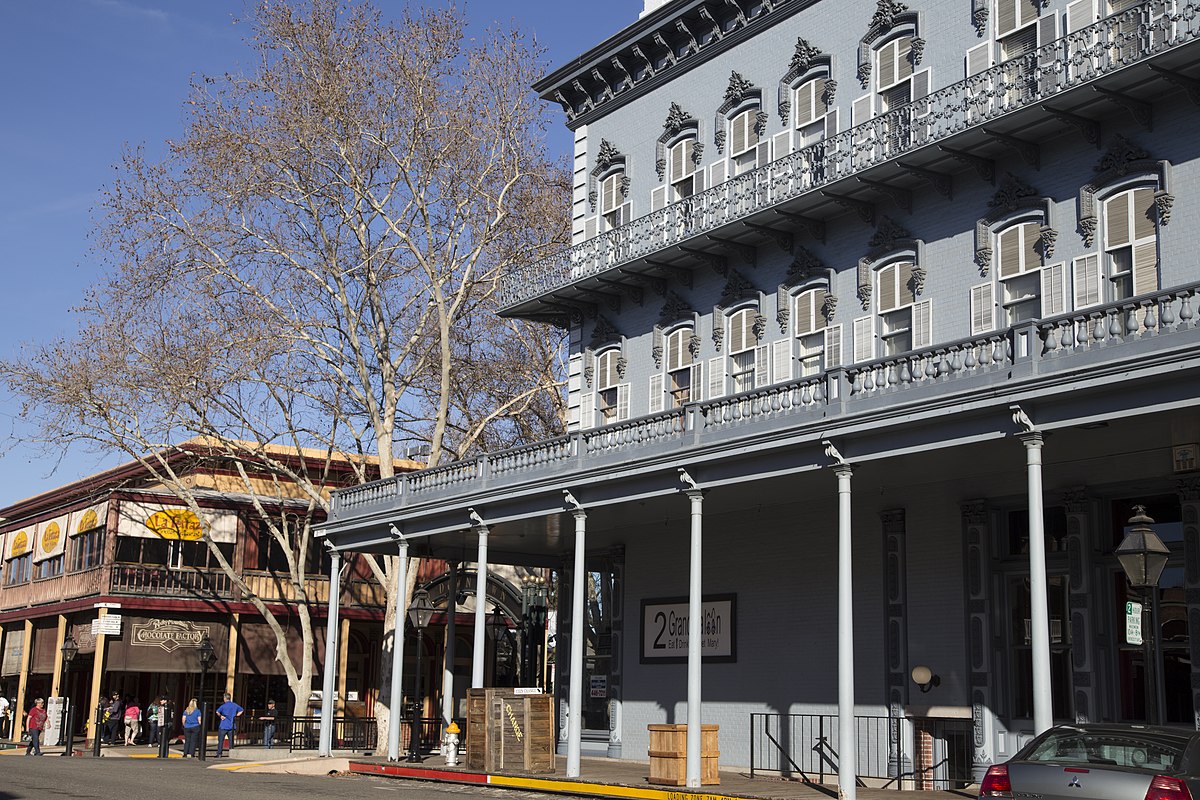
One of the city’s most charming features is Old Sacramento, a historic district that transports you back to the Gold Rush era. Cobblestone streets, wooden sidewalks, and historic buildings house everything from quirky shops to museums. The district is also home to the California State Railroad Museum, which is a must-visit for anyone interested in the history of trains and the Transcontinental Railroad, which connected Sacramento to the rest of the country in the late 1800s.
Human resources in Sacramento are diverse, with a strong focus on government, healthcare, education, and technology. Being the state capital, Sacramento has a large public sector workforce, employing thousands of people in state agencies and departments. Additionally, the city is home to several higher education institutions, including California State University, Sacramento (commonly known as Sac State), which has an enrollment of over 30,000 students. The University of California, Davis, located just 20 minutes away, is another major educational powerhouse that significantly influences the local economy and culture, particularly in research and healthcare.
The healthcare sector is robust, with large medical centers like UC Davis Medical Center, Sutter Health, and Kaiser Permanente serving as major employers. Sacramento also has a growing tech scene, with companies like Intel, Apple, and health tech startups setting up offices in the region. The city’s tech industry is supported by its proximity to the Bay Area, allowing for collaboration while offering a lower cost of living compared to San Francisco or Silicon Valley.
Economically, Sacramento is diverse and resilient. As the center of California’s government, the public sector is a major driver, but the city’s economy is also supported by agriculture, healthcare, education, and technology. The surrounding Sacramento Valley is one of the most fertile agricultural regions in the United States, producing crops like almonds, tomatoes, grapes, and rice. This agricultural abundance has contributed to the city’s reputation as a farm-to-fork leader. Real estate has also been booming, with more people relocating to Sacramento from the Bay Area due to its relatively affordable housing market. The median home price in Sacramento is around $475,000 as of 2023, which, while still high, is significantly lower than the Bay Area’s median prices.
The city’s public transportation system, managed by Sacramento Regional Transit, includes buses and a light rail system that covers about 69 kilometers (43 miles) and serves nearly 50,000 passengers daily. Sacramento International Airport (SMF) connects the city to major destinations across the U.S. and internationally, making it a convenient gateway for travelers. However, like many growing cities, Sacramento faces challenges with traffic congestion, especially during rush hours on the I-5 and I-80 freeways.
Sacramento is also known for its extensive network of parks and recreational areas. The American River Parkway, a 51-kilometer (32-mile) greenbelt that runs along the American River, is a favorite among locals for biking, jogging, and kayaking. The city’s commitment to sustainability is evident in its green initiatives, including increasing bike lanes, promoting electric vehicle use, and expanding urban green spaces. Sacramento has set ambitious goals to reduce carbon emissions and become a more sustainable city, aiming to reach carbon neutrality by 2045.
The people of Sacramento are known for their friendly, community-oriented attitude. The city has a laid-back vibe, with a focus on outdoor living and neighborhood engagement. Farmers’ markets, food trucks, and outdoor festivals are a common sight, especially during the summer. The Midtown and Downtown areas are lively and filled with cultural events, while the surrounding suburbs like Elk Grove, Roseville, and Folsom offer more tranquil residential options.
Despite its many strengths, Sacramento faces some challenges, such as rising housing costs, homelessness, and occasional flooding due to its location near two major rivers. The city is investing in infrastructure projects to modernize its flood control systems and create more affordable housing to accommodate its growing population. However, the city’s continued focus on community development, sustainability, and innovation gives it a promising outlook for the future.
Sacramento is a city that doesn’t always get the attention it deserves, but it has a lot to offer. From its rich history as a Gold Rush town to its modern-day status as a capital city with a thriving food scene, Sacramento is a place where the past meets the future. Whether you’re exploring the historic streets of Old Sacramento, kayaking on the American River, or enjoying a meal at a farm-to-table restaurant, you’ll find that Sacramento has a unique charm that’s hard to resist. It’s a city with a heart, where people are genuinely proud of their roots and excited about their future.
Leave a Reply