


| Country | Venezuela |
| Population | 282830 |
| Area | 247 km2 (95 sq mi) |
| Time Zone | UTC−4 (VET) |
| Coordinates | 7.766666666666667, -72.23333333333333 |
| Highest elevation | 860 m (2,820 ft) |
City Gallery





City Description
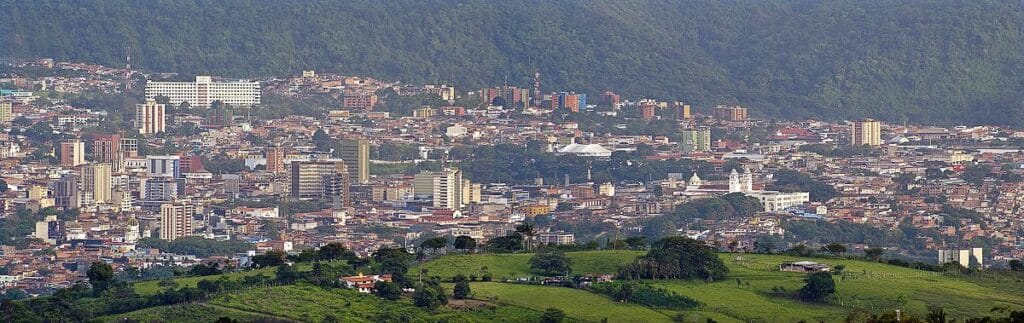
San Cristóbal, located in the Andean region of Venezuela, is the capital city of the Táchira state. With a population of around 300,000 people, San Cristóbal serves as the economic, political, and cultural center of the state. It sits at an altitude of about 800 meters (2,625 feet) above sea level, nestled in the Táchira Valley and surrounded by the majestic Andes mountains. Its location near the border with Colombia, just 50 kilometers (31 miles) from the Colombian city of Cúcuta, gives it a unique position as a trade hub, particularly for cross-border commerce.
The city has a semi-arid climate, characterized by a dry season from December to March and a wet season from April to November. The average annual temperature hovers around 23°C (73°F), making it relatively mild compared to the lower-lying regions of Venezuela. During the hottest months of March and April, temperatures can reach up to 30°C (86°F), while the coolest months of December and January may see temperatures drop to around 18°C (64°F).
San Cristóbal has a rich and varied history. It was founded in 1561 by the Spanish conquistador Juan de Maldonado and initially developed as a small town. Its early history is tied to the indigenous peoples of the region, including the Táchira and Guajira tribes, whose influence is still present in the city’s culture today. The city was a key center during the Venezuelan War of Independence, playing a role in the regional military strategies. San Cristóbal’s strategic location made it a pivotal point for trade and defense during colonial times and later, it continued to grow due to its proximity to the border with Colombia. In the 19th and early 20th centuries, the city expanded significantly, attracting more settlers and becoming an important economic and administrative center.
Geographically, San Cristóbal is a city of contrasts. The city itself is mostly urbanized, but its surrounding areas are marked by steep mountain ranges and valleys that provide both natural beauty and challenges for infrastructure development. The Táchira River flows through the city, adding to the natural scenery while providing a source of water for local agriculture. The region is known for its impressive mountains, like the Perijá mountain range to the west and the Andes peaks to the southeast. These mountainous terrains are ideal for hiking, eco-tourism, and enjoying panoramic views of the valley below.
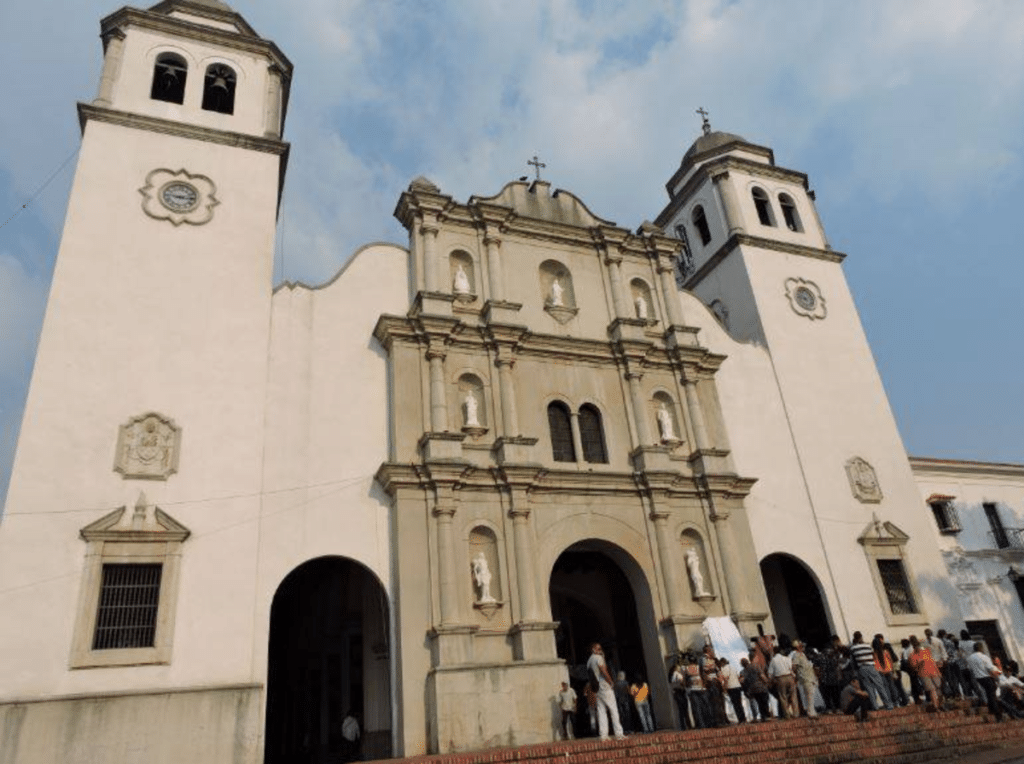
Culturally, San Cristóbal is an interesting blend of Venezuelan traditions, influenced by its Andean roots and proximity to Colombia. The city is known for its vibrant festivals, most notably the Fiesta de la Virgen de la Consolación, held every August. During this celebration, the streets are filled with processions, music, and dancing, reflecting the city’s deep-rooted Catholic traditions. San Cristóbal’s colonial architecture is another key part of its cultural identity, with old churches, plazas, and government buildings showcasing Spanish-era design. The city’s population is predominantly Catholic, though Protestantism and indigenous beliefs also have a presence.
The city is a center for arts and crafts, with local markets selling handmade goods such as textiles, pottery, and leatherwork. San Cristóbal is also known for its coffee production, with local farms producing high-quality beans that are exported to various countries. Coffee culture is a significant part of the daily life in San Cristóbal, with small cafes and street vendors offering fresh coffee to locals and visitors alike.
Economically, San Cristóbal plays a crucial role in the Táchira state’s economy. It is a key center for commerce, especially given its location near the Colombian border. The city benefits from cross-border trade, especially in goods such as food, clothing, and electronics. While Venezuela’s economy has struggled in recent years due to inflation and political instability, San Cristóbal’s economy remains relatively resilient thanks to its role as a commercial gateway. In addition to trade, agriculture remains a vital sector for San Cristóbal, with crops like potatoes, corn, sugarcane, and coffee being grown in the surrounding regions. Livestock farming is also important, with the Táchira state being a major producer of cattle.
Despite the difficulties faced by the Venezuelan economy in recent years, San Cristóbal’s economy has shown adaptability. The city is home to numerous small businesses, and entrepreneurship remains strong. However, the ongoing economic crisis has led to hyperinflation, devaluation of the bolívar, and a general decline in living standards for many residents. Many people in San Cristóbal have turned to the informal economy, running small shops or providing services like transportation and repair work to make ends meet.
San Cristóbal is also an educational hub for the Andean region. It is home to several universities, including the Universidad de Los Andes (Táchira campus), which is one of Venezuela’s most respected institutions of higher education. The university offers a range of programs, including engineering, social sciences, and medicine. The presence of such institutions contributes to a relatively well-educated workforce, with a focus on technical skills, healthcare, and business.
Healthcare in San Cristóbal is provided by a combination of public and private hospitals. The city’s main public hospital, Hospital Central de San Cristóbal, serves as the primary healthcare facility, though many residents also rely on smaller private clinics for faster service. However, healthcare services have been strained due to the economic crisis, with shortages of medical supplies and equipment affecting the quality of care. Many residents also seek medical treatment across the border in Colombia, where healthcare is more accessible.
Transportation in San Cristóbal is primarily by road, with well-developed infrastructure linking the city to other parts of Venezuela and Colombia. The city has a network of local buses, taxis, and moto-taxis that are commonly used for getting around. The main highway connecting San Cristóbal to the Colombian border is a crucial transportation route for both freight and passenger traffic. Additionally, the city has a small airport, the San Cristóbal Airport, which serves regional flights. However, due to the ongoing crisis in Venezuela, air travel has been limited, and many people choose to travel by bus to other major cities.
In terms of urban development, San Cristóbal has faced challenges as a result of the economic difficulties faced by the country. The city’s infrastructure, including roads, public services, and housing, has been under strain, with insufficient investment in public works. The growth of informal settlements has become a concern, as many migrants from other parts of Venezuela and neighboring countries have sought refuge in San Cristóbal. Despite these challenges, the city’s residents have shown resilience, relying on community-based solutions to address their daily needs.
While San Cristóbal is a city that faces significant economic and social challenges, it remains a place of strength and community. The residents of San Cristóbal are known for their warmth and hospitality, with a strong sense of local pride. The city’s location, culture, and history have shaped its identity as a vital part of Venezuela’s Andean region. Despite the hardships faced by the country as a whole, San Cristóbal continues to be a resilient and vibrant city with a unique mix of urban and rural characteristics.
Leave a Reply