

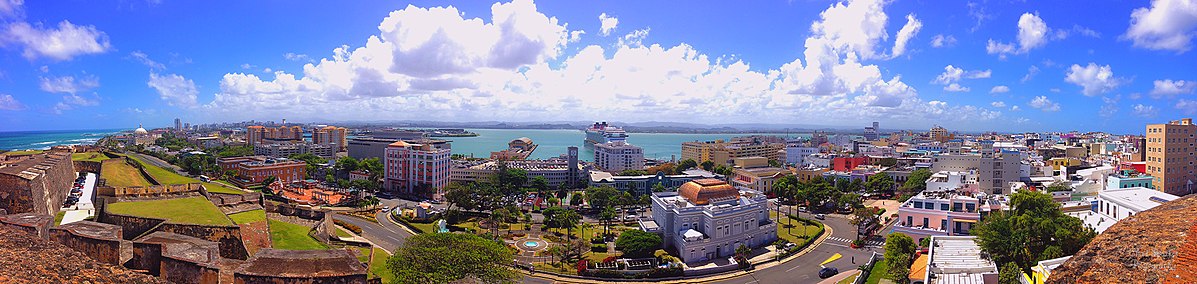
| Country | United States |
| Population | 342259 |
| Area | 77.0 sq mi (199 km2) |
| Time Zone | UTC−4 (AST) |
| Coordinates | 18.406388888888888, -66.06388888888888 |
| Highest elevation | 26 ft (8 m) |
City Gallery




City Description
San Juan, Puerto Rico, is a vibrant and historic city that blends Caribbean charm with a modern, urban lifestyle. As the capital and largest city of Puerto Rico, San Juan is home to around 318,000 people within its city limits, but the larger metropolitan area pushes that number to over 2 million, making it one of the largest cities in the Caribbean. San Juan has something for everyone: beautiful beaches, a rich cultural scene, bustling nightlife, and historical sites that date back more than 500 years. Located on the northern coast of Puerto Rico, San Juan is often called the “Island of Enchantment’s” cultural and economic heart, with its colorful colonial architecture and crystal-clear waters setting a striking scene for both locals and tourists.
San Juan’s history is as fascinating as it is long. Founded by Spanish settlers in 1521, it is one of the oldest cities in the Americas, and its historic district, Old San Juan, reflects that legacy. The city served as a crucial military and trade post during the Spanish colonial era, and many of the fortifications, like Castillo San Felipe del Morro and Castillo San Cristóbal, still stand today. These forts, both UNESCO World Heritage Sites, were built to protect the city from invaders and are now popular tourist destinations. Puerto Rico came under U.S. control in 1898 following the Spanish-American War, and San Juan has since grown into a modern city with a unique blend of Puerto Rican, Spanish, and American influences. The architecture, music, and daily life all reflect this mix, creating a distinct culture that’s deeply rooted in both its Caribbean and colonial past.
Geographically, San Juan sits on a beautiful coastal bay on Puerto Rico’s northern coast. The city is spread across several districts, including the historical Old San Juan, the bustling business district of Hato Rey, and the popular beachfront neighborhoods of Condado and Isla Verde. San Juan’s tropical climate is warm year-round, with average temperatures ranging from 24°C in the winter to 30°C in the summer. The city experiences a wet season from April to November, often with short, intense rain showers that are followed by clear skies. San Juan’s coastal setting provides miles of beautiful beaches, and the surrounding Atlantic Ocean offers ample opportunities for water sports like snorkeling, surfing, and sailing. Its natural beauty is complemented by the scenic El Yunque National Forest, located just a short drive away, which provides residents and visitors a lush rainforest escape.
Culturally, San Juan is a dynamic and diverse city. Puerto Rican culture is a blend of Taíno (indigenous), African, and Spanish influences, with a unique American touch due to Puerto Rico’s status as a U.S. territory. This mix is reflected in San Juan’s festivals, music, and food. Salsa and reggaetón music play a big part in San Juan’s nightlife, with clubs and bars in neighborhoods like Santurce and Condado filling with locals and tourists alike. The annual San Sebastián Street Festival in January is one of the city’s most anticipated events, attracting thousands with live music, parades, and traditional food. Another highlight is the Casals Festival, an internationally recognized classical music festival named after cellist Pablo Casals, who made Puerto Rico his home in the later years of his life. Museums, such as the Museo de Arte de Puerto Rico and the Museo de Arte Contemporáneo, showcase the island’s art scene and history, while galleries and art spaces in Santurce support a thriving local arts community.
The people of San Juan, known as “sanjuaneros,” are known for their warmth, resilience, and pride in their heritage. Many residents work in tourism, finance, government, and retail, as these sectors drive much of San Juan’s economy. San Juan is home to numerous educational institutions, including the University of Puerto Rico’s Río Piedras campus, one of the island’s leading universities, offering programs in business, science, law, and the arts. The local workforce is highly skilled, with a strong focus on bilingualism, as both Spanish and English are official languages in Puerto Rico. San Juan’s residents are community-oriented, with family and social gatherings forming a big part of daily life. Festivals, sports events, and neighborhood activities often bring people together, strengthening the city’s close-knit, lively community.
Economically, San Juan is Puerto Rico’s financial and commercial hub. The city’s economy is diverse, with a strong focus on finance, tourism, manufacturing, and government services. San Juan is home to many of Puerto Rico’s major banks, financial institutions, and the Puerto Rico Stock Exchange, making it the island’s financial heart. Tourism plays a huge role in San Juan’s economy, with the city attracting millions of visitors each year. The historic district of Old San Juan, with its cobblestone streets, colonial buildings, and forts, is a major draw, as are the city’s beaches and resorts. The Port of San Juan is one of the busiest in the Caribbean, serving as a key cargo and cruise ship port, which supports both trade and tourism. The city’s manufacturing sector is focused on pharmaceuticals, electronics, and medical devices, and many global companies operate facilities in the San Juan metropolitan area. In recent years, San Juan has also seen growth in the technology and startup sectors, with efforts to establish it as a digital hub in the Caribbean.
Transportation in San Juan is well-developed, though traffic congestion can be an issue during peak hours. The city is served by Luis Muñoz Marín International Airport, the busiest airport in the Caribbean, which offers direct flights to numerous destinations in the United States, Latin America, and Europe. Within the city, public transportation options include buses and the Tren Urbano, a rapid transit line that connects central San Juan with suburban areas like Bayamón. While the Tren Urbano is limited in scope, it serves as a useful commuting option. Taxis, rideshare services, and car rentals are also widely available, with many visitors opting to rent cars to explore areas outside the city. San Juan is connected by major highways, making it easy to travel to other parts of Puerto Rico, including popular destinations like Ponce and Rincón.
Housing in San Juan ranges from historic colonial homes in Old San Juan to modern high-rise apartments in neighborhoods like Condado and Miramar. The city offers a mix of affordable and luxury options, with beachfront condos, suburban homes, and urban apartments to suit a variety of lifestyles. Old San Juan is a unique residential area with colorful buildings, cobblestone streets, and a charming atmosphere, though space is limited and prices can be higher due to its historic appeal. Condado and Isla Verde, popular for their beaches and nightlife, offer high-rise apartments and are particularly attractive to young professionals and expatriates. Suburban neighborhoods, like Cupey and Río Piedras, provide family-friendly environments with schools, parks, and shopping centers. Overall, housing in San Juan can be more expensive than in other parts of Puerto Rico, but it remains affordable compared to many major U.S. cities.
Entertainment and recreation in San Juan revolve around its natural beauty, cultural sites, and bustling social scene. The city’s beaches, such as Playa Escambrón and Ocean Park, are popular for swimming, sunbathing, and water sports. Condado Lagoon is a great spot for paddleboarding and kayaking, while Isla Verde offers opportunities for surfing and jet skiing. Old San Juan is a must-visit for its historic sites, like El Morro, San Cristóbal, and La Fortaleza, the official residence of the Governor of Puerto Rico. The nightlife in San Juan is vibrant, with countless bars, clubs, and live music venues, especially in Santurce, where art galleries and street murals add a creative flair to the area. The city’s shopping scene includes everything from local markets to upscale malls like Plaza Las Américas, the largest shopping center in the Caribbean. For outdoor enthusiasts, the nearby El Yunque National Forest offers hiking trails, waterfalls, and stunning views, providing a quick escape into nature.
San Juan’s food scene is a delightful blend of traditional Puerto Rican flavors and international influences. Local dishes like mofongo (mashed plantains filled with meat or seafood), arroz con gandules (rice with pigeon peas), and lechón (roast pork) are must-tries. The city has a range of dining options, from family-run fondas serving local fare to high-end restaurants offering creative takes on Puerto Rican cuisine. Calle Loíza in Santurce is a popular street for food lovers, filled with restaurants, bars, and food trucks offering everything from tacos to sushi. For a sweet treat, San Juan’s bakeries and cafes serve pastelillos de guayaba (guava pastries) and tembleque, a coconut-based dessert. The city’s culinary scene is constantly evolving, with new restaurants, breweries, and coffee shops opening to cater to both locals and tourists.
In recent years, San Juan has been focusing on sustainability and resilience, particularly in the wake of Hurricane Maria in 2017. The city has invested in rebuilding infrastructure, enhancing emergency preparedness, and promoting renewable energy sources. Solar power and water conservation efforts have become more common as the city works to reduce its environmental impact and increase its resilience against future storms. Community organizations are also involved in environmental conservation, urban gardening, and local clean-up projects, reflecting a growing commitment to sustainable development.
San Juan is a city that pulses with life and history, offering a unique blend of Caribbean warmth, historical depth, and urban energy. From the cobblestone streets of Old San Juan to the lively beaches and modern business districts, it’s a city that never stops evolving. Whether you’re exploring centuries-old forts, dancing to salsa in a Santurce club, or savoring local flavors along the beach, San Juan provides a rich and unforgettable experience. It’s a place where the past and present come together seamlessly, creating a vibrant, welcoming city that’s as proud of its heritage as it is optimistic about its future.
Leave a Reply