


| Country | Philippines |
| Population | 289820 |
| Area | 90.92 km2 (35.10 sq mi) |
| Time Zone | UTC+8 (PST) |
| Coordinates | 14.816666666666666, 120.96666666666667 |
| Highest elevation | 20 m (70 ft) |
City Gallery
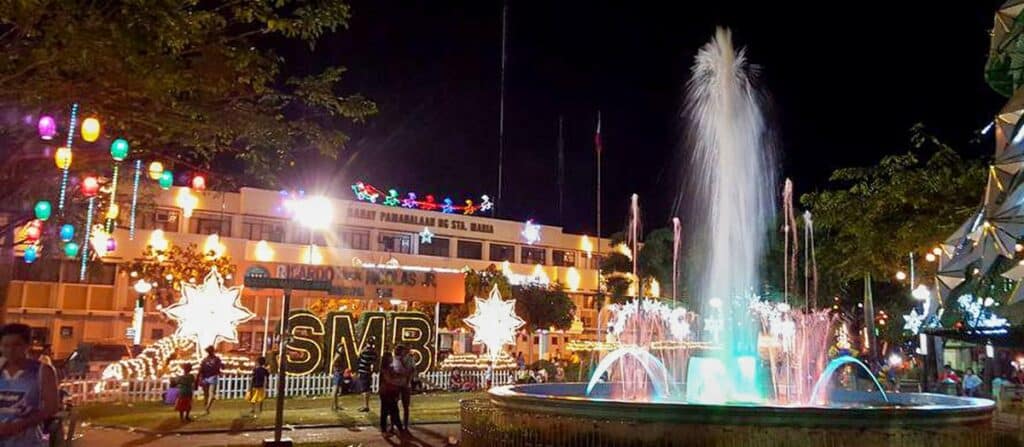


City Description
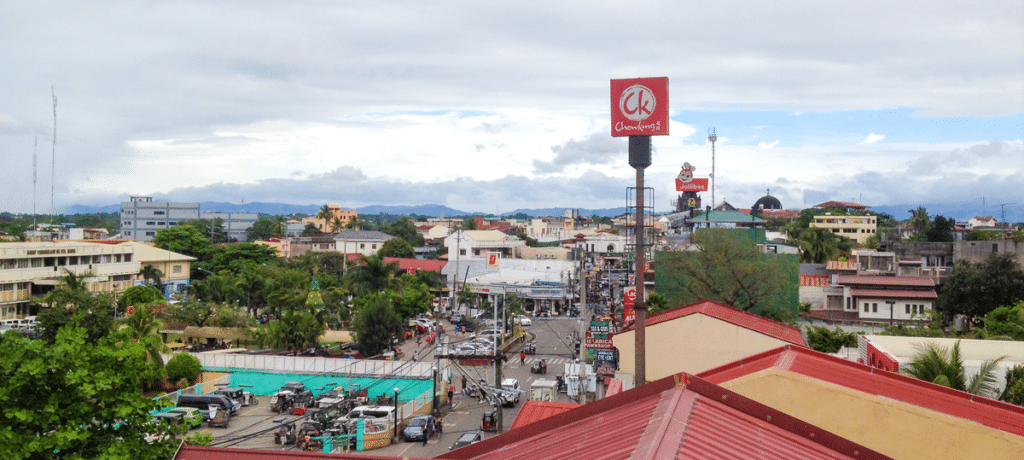
Santa Maria, a bustling city in the Bulacan province of the Philippines, is a place that blends urban energy with a deep sense of heritage and community. With a population of over 250,000 people, Santa Maria has grown from a quiet agricultural town into a rapidly urbanizing city, while still holding onto its historical roots. Located just about 32 kilometers north of Manila, Santa Maria benefits from its proximity to the capital while offering a more laid-back lifestyle with friendly neighborhoods, local markets, and a strong sense of pride in its traditions.
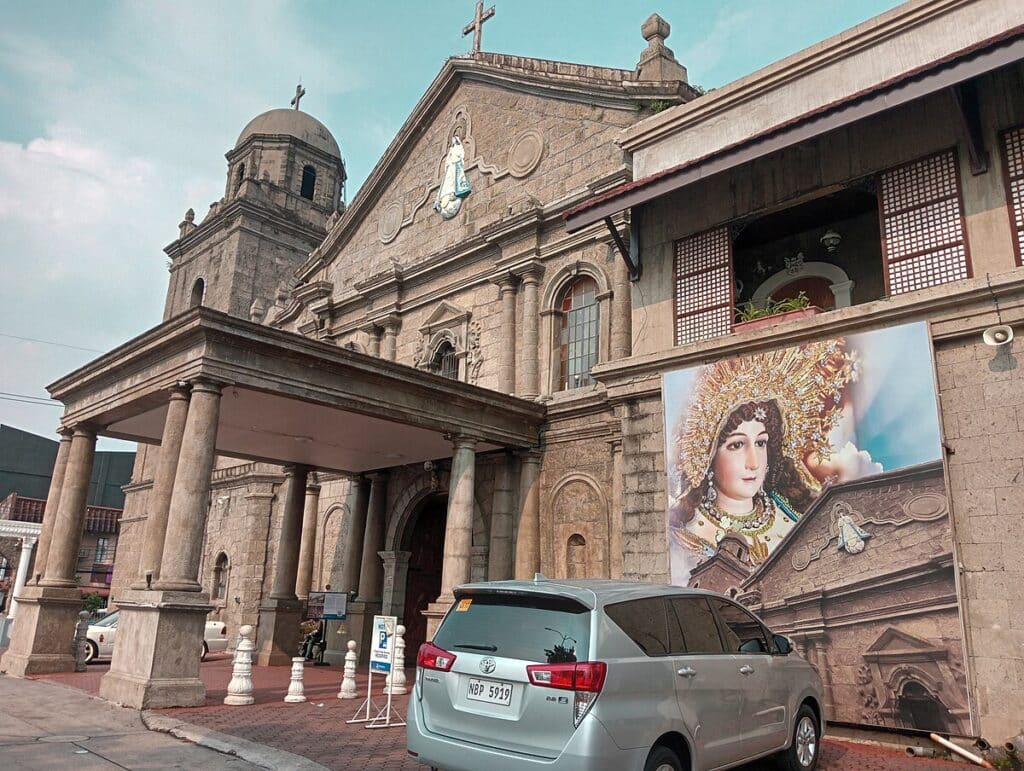
Historically, Santa Maria was founded in the late 1700s during the Spanish colonial period. Originally, it was a small farming community that grew crops like rice, corn, and sugarcane, becoming an essential agricultural area for the growing colonial population. The town’s Catholic heritage is visible through landmarks like the centuries-old Santa Maria Parish Church, also known as La Purísima Concepción Parish, which dates back to 1792. This church, with its intricate baroque facade, is one of the town’s most iconic structures and a reminder of its rich Spanish history. As the town transitioned through the American period and into independence, Santa Maria gradually developed into a more modern community, balancing its agricultural heritage with new industries and expanding infrastructure.
Geographically, Santa Maria is situated within the plains of Bulacan, making it an ideal location for agriculture. The climate here is tropical, with hot, dry summers from March to May and a wet season from June to November, contributing to lush fields and rice paddies. With average temperatures ranging from 25°C to 35°C (77°F to 95°F), Santa Maria experiences typical Philippine weather, with cooler breezes in the early morning and evenings. The Angat River, which flows nearby, is vital for irrigation, ensuring that the agricultural lands around Santa Maria remain productive year-round. Additionally, the town is close to natural attractions like the Biak-na-Bato National Park, which offers scenic hiking trails, caves, and rivers for residents and visitors looking to enjoy nature.
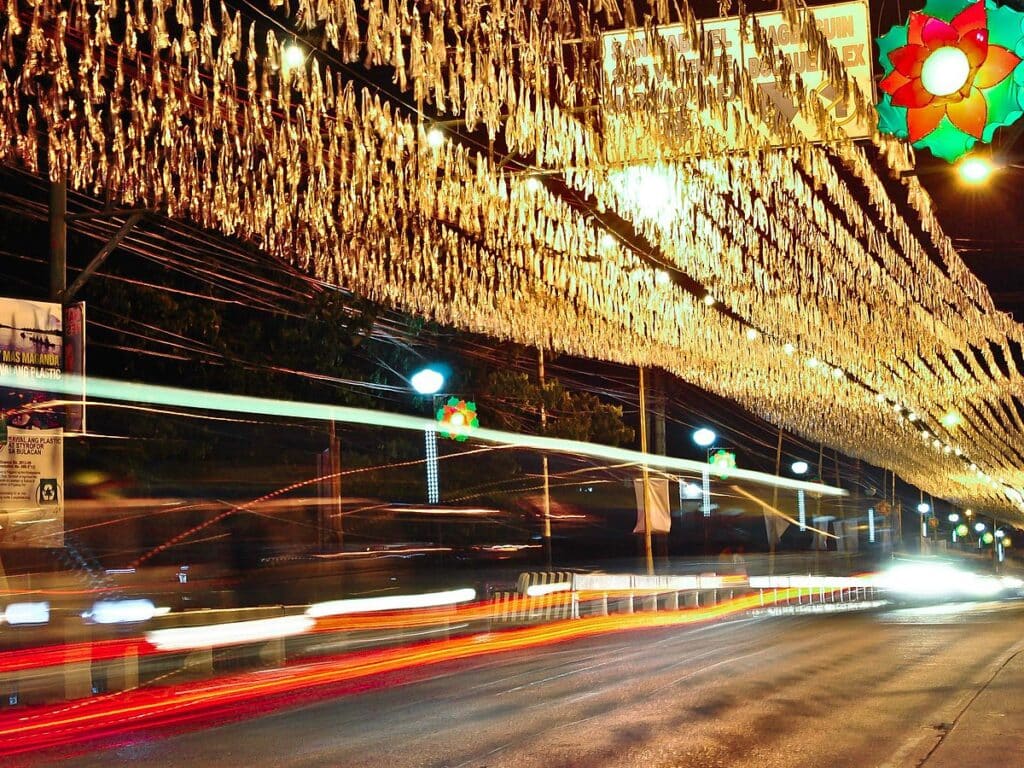
Culturally, Santa Maria is a city with deep-rooted traditions that the community proudly celebrates. The town’s fiestas and religious events are highly anticipated, with the annual La Purísima Concepción Festival held in honor of the town’s patron saint being the highlight. This event, celebrated every February, brings the whole town together in a colorful celebration featuring processions, dances, music, and local food. Santa Maria is also known for its culinary offerings, particularly the *kakanin* (rice cakes) like *sapin-sapin*, *kutsinta*, and *bibingka*, which are often sold at roadside stalls and local markets. Food here is a blend of Filipino favorites with a unique Bulacan twist, and you’ll often find dishes made with fresh, local ingredients like *adobong baboy damo* (wild boar adobo) and *inihaw na tilapia* (grilled tilapia).
In terms of human resources, Santa Maria’s residents are known for their entrepreneurial spirit, with many engaged in small businesses, farming, and local manufacturing. Agriculture remains a key part of the city’s workforce, with many families still involved in rice farming, poultry, and piggery operations. Small and medium-sized enterprises (SMEs) are thriving here, with local businesses ranging from family-run sari-sari (convenience) stores to furniture-making workshops and handicraft production. Education is highly valued in Santa Maria, with numerous schools and institutions that cater to primary, secondary, and vocational training. Many students also commute to nearby universities in Manila, bringing back knowledge and skills that support the town’s development. The literacy rate in Santa Maria is high, and the workforce here is known for its strong work ethic and community involvement.
Economically, Santa Maria has a diverse mix of agriculture, manufacturing, and retail, making it a key contributor to Bulacan’s economy. Agriculture remains the backbone of Santa Maria, with rice and corn as the main crops, while poultry and piggery farms also contribute significantly to the local economy. The town’s proximity to Manila has boosted real estate development, with subdivisions, shopping centers, and industrial parks popping up to accommodate the growing population. Many residents work in Metro Manila, commuting daily, but the rise of local businesses and commercial establishments has also provided employment opportunities within the city. Small-scale industries, like furniture making and food processing, are popular here, and local markets are always busy with traders selling produce, seafood, and handmade goods. The average income in Santa Maria varies, with those working in Manila earning higher salaries, but the cost of living here is affordable, allowing for a comfortable lifestyle.
Santa Maria’s infrastructure has been steadily improving over the years, with good road networks connecting it to Metro Manila and other towns in Bulacan. Public transportation is accessible, with jeepneys, tricycles, and buses offering easy commutes around the town and to Manila. Recent infrastructure developments include new residential areas, commercial centers, and upgraded public facilities, reflecting Santa Maria’s transition into a more urbanized town. The local government has been working to improve healthcare facilities, with hospitals and clinics available to serve the growing population, though some residents still travel to Manila for specialized care. The town also has plans for more recreational spaces and parks, giving families and friends places to relax and enjoy.
Recreation in Santa Maria includes everything from visiting historical sites to enjoying the local natural beauty. The Santa Maria Church is a must-visit for anyone interested in history and architecture, and nearby parks and rivers offer scenic picnic spots for families. For outdoor enthusiasts, the close proximity to Biak-na-Bato National Park provides a chance to hike, explore caves, and go river trekking. The town’s markets and food stalls are also great for a day out, where you can try local delicacies and shop for handmade crafts and fresh produce. For a more urban experience, residents have easy access to shopping malls and entertainment centers in Manila, providing a balance of rural charm and city conveniences.
Santa Maria’s charm lies in its ability to grow and modernize while holding onto its traditional values and community spirit. The town’s mix of cultural festivals, strong agricultural roots, and emerging businesses make it a dynamic place that feels both grounded and full of potential. Whether you’re savoring a freshly made *bibingka*, wandering through the local markets, or visiting the historic church, Santa Maria offers a warm and authentic Filipino experience that captures the essence of Bulacan. Its blend of heritage, community, and progress makes Santa Maria a place where past and future coexist, providing residents and visitors alike with a unique and welcoming atmosphere.
Leave a Reply