

| Country | Philippines |
| Population | 414812 |
| Area | 54.84 km2 (21.17 sq mi) |
| Time Zone | UTC+8 (PST) |
| Coordinates | 14.316666666666666, 121.11666666666666 |
| Highest elevation | 70 m (230 ft) |
City Gallery




City Description
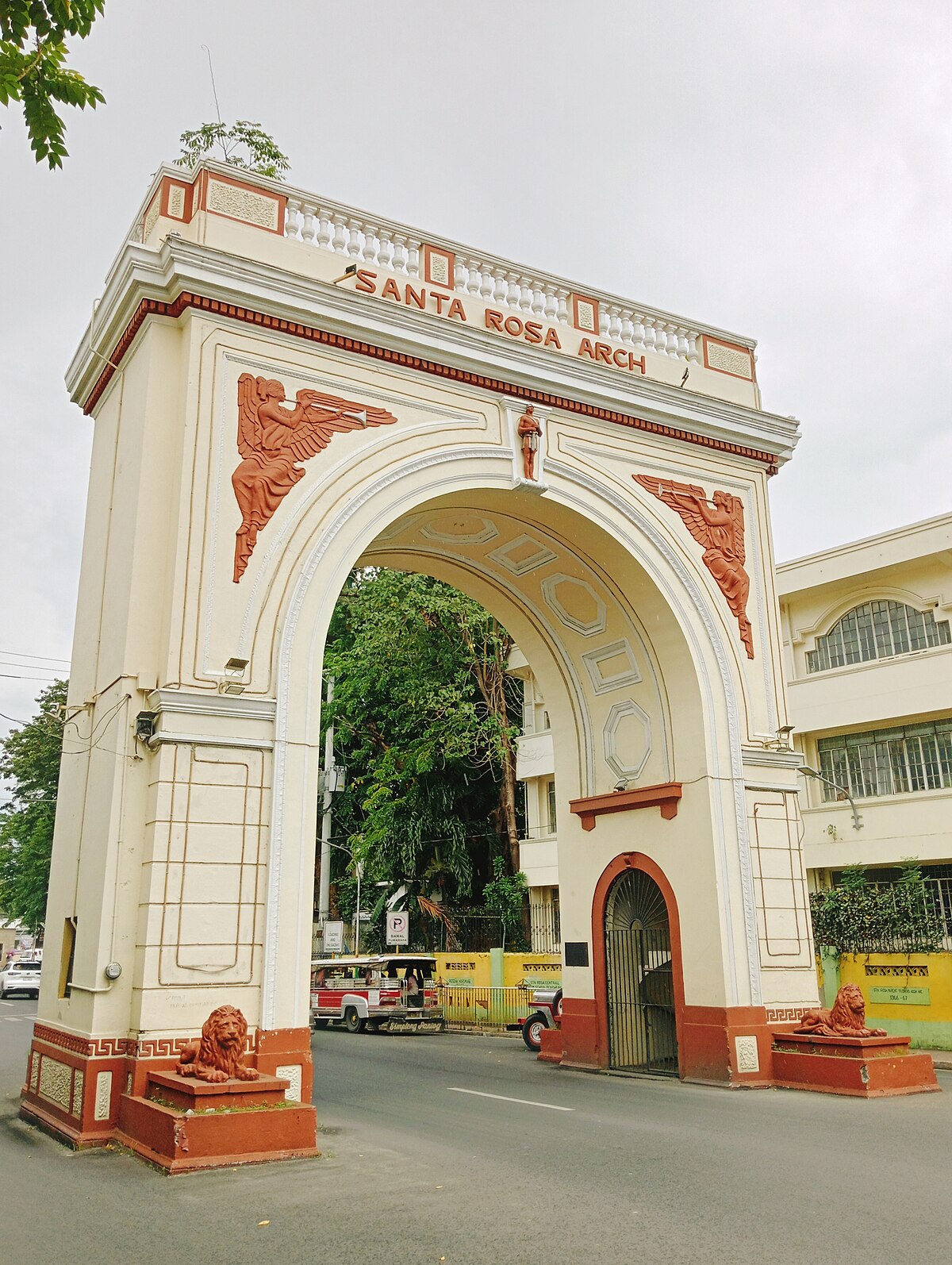
Santa Rosa, located in the province of Laguna in the Philippines, is a dynamic city that has grown from its humble agricultural roots into one of the fastest-developing urban centers in the country. With a population of over 400,000 people, Santa Rosa is known for its strategic location just 38 kilometers south of Metro Manila, making it a prime spot for both residential and industrial developments. Once referred to as the “Lion City of the South,” Santa Rosa has transformed into a bustling hub of commerce, industry, and innovation while still retaining the charm of its provincial roots.
Historically, Santa Rosa was established as a town in 1792 during the Spanish colonial period. It was originally part of Biñan, Laguna, until it gained independence as its own municipality. The town was named after Saint Rose of Lima, the first canonized saint of the Americas. For many years, Santa Rosa remained a quiet agricultural town, mainly producing rice, sugarcane, and coconuts. However, the construction of the South Luzon Expressway (SLEX) in the 1980s changed everything, opening up the city to rapid development and turning it into an industrial powerhouse.
Geographically, Santa Rosa is ideally situated on the western side of Laguna province, bordered by Cabuyao to the north, Biñan to the northwest, Silang (Cavite) to the southwest, and Tagaytay to the west. The city is relatively flat, with a few rolling hills and scenic views of nearby Mount Makiling to the southeast. The climate is tropical, with hot, humid summers where temperatures can reach up to 35°C (95°F) and cooler, wetter months from June to October due to the monsoon season. Its proximity to Laguna de Bay, the largest lake in the Philippines, adds to the city’s appeal, especially for those interested in outdoor activities and waterside dining.
Culturally, Santa Rosa is a blend of traditional Filipino heritage and modern urban influences. The city is known for its vibrant festivals, with the most famous being the “Sikhayan Festival” held every January. This event celebrates the hardworking spirit of Santa Rosa’s people, featuring colorful parades, street dancing, and performances that highlight the city’s agricultural history. Another important cultural site is the Santa Rosa de Lima Parish Church, a historic landmark built in the 18th century that stands as a testament to the city’s deep Catholic roots. The city also hosts a growing art scene, with local galleries and cultural centers showcasing the works of homegrown artists.
Food in Santa Rosa is a reflection of its diverse culture, with a mix of traditional Filipino dishes and modern cuisine. A must-try is “puto Biñan,” a type of steamed rice cake that’s popular in the region. Another local favorite is “kinulob na itik,” a slow-cooked duck dish marinated in vinegar, garlic, and spices. For something sweet, “espasol,” a chewy rice flour snack dusted with coconut, is a beloved treat. The city is also home to several food parks and trendy cafes, especially in the Nuvali area, where locals and tourists alike can enjoy a wide range of international and fusion cuisine while overlooking scenic views.
The people of Santa Rosa, known as Rosenians, are known for their industriousness and strong sense of community. The city has placed a significant emphasis on education, with several public and private schools, colleges, and universities contributing to its skilled workforce. Notable institutions include the Polytechnic University of the Philippines – Santa Rosa Campus and the Laguna State Polytechnic University, which offer courses in business, technology, and engineering. The focus on education has helped attract both students and young professionals to the city, boosting its human resources sector.
Economically, Santa Rosa is one of the most prosperous cities in Laguna, often referred to as the “Automotive Capital of the Philippines.” It is home to several automotive manufacturing giants like Toyota, Mitsubishi, and Honda, which have set up assembly plants in the city’s numerous industrial parks. The sprawling Laguna Technopark and Greenfield Automotive Park have been instrumental in making Santa Rosa a major player in the country’s automotive and electronics industries. Aside from manufacturing, Santa Rosa’s economy is bolstered by retail, real estate, and information technology. The rise of business process outsourcing (BPO) centers has further diversified the city’s economic landscape, providing jobs for thousands of residents.
Tourism in Santa Rosa is steadily growing, driven by its proximity to popular destinations like Tagaytay and its own attractions like Enchanted Kingdom, the country’s premier theme park. Enchanted Kingdom has been a staple of family entertainment since it opened in 1995, drawing visitors from all over the Philippines with its exciting rides and magical shows. Another major draw is the Nuvali eco-city, a massive mixed-use development that offers shopping, dining, outdoor activities, and even wakeboarding. For those interested in a bit of history, a visit to the old town center, with its Spanish-era houses and cobblestone streets, offers a glimpse into Santa Rosa’s past.
Transportation in Santa Rosa is well-developed, thanks to its location along the South Luzon Expressway. The city is connected to Metro Manila and other parts of Luzon via major highways, making it an easy drive from the capital. Public transportation includes buses, jeepneys, tricycles, and UV Express vans that provide regular routes to neighboring towns and cities. The Laguna Expressway (CALAX) project is expected to further improve connectivity, making Santa Rosa even more accessible. For those who prefer to travel by rail, the proposed extension of the Philippine National Railways (PNR) line to Santa Rosa will provide an alternative route to Manila.
Healthcare in Santa Rosa has improved significantly over the years, with the presence of several hospitals and medical centers. The QualiMed Hospital and the New Sinai MDI Hospital are among the top healthcare facilities in the area, offering a wide range of medical services. The city also has numerous clinics, dental offices, and wellness centers that cater to the needs of its residents. In line with its development goals, Santa Rosa continues to invest in healthcare infrastructure to ensure that its growing population has access to quality medical care.
Real estate in Santa Rosa has been booming, driven by the influx of businesses, young families, and professionals looking for a quieter life outside Metro Manila. The city’s suburban vibe, coupled with its modern amenities, has made it a popular choice for those seeking to escape the congestion of the capital. The Nuvali area, in particular, has become a hotspot for real estate development, with residential communities, condominiums, and commercial spaces rising rapidly. Property values in Santa Rosa have increased steadily, making it a good investment for those looking to buy property outside Metro Manila.
Walking through Santa Rosa, you’ll find a mix of old and new. The town proper, with its historic church and old houses, contrasts sharply with the modern buildings, malls, and business parks in other parts of the city. The city’s parks, such as the Santa Rosa Plaza and the landscaped gardens in Nuvali, provide green spaces where families and friends can gather. The waterfront area in Nuvali, complete with a man-made lake, is perfect for an afternoon stroll, biking, or just relaxing by the water.
Santa Rosa may not have the historic grandeur of Vigan or the beaches of Palawan, but it has a charm all its own. It’s a place where tradition meets progress, where old rice fields have transformed into bustling commercial centers. Whether you’re riding a roller coaster at Enchanted Kingdom, sipping coffee in one of Nuvali’s chic cafes, or simply enjoying the laid-back atmosphere, Santa Rosa offers a unique slice of life that’s both peaceful and full of promise. It’s a city that embraces change while holding onto its rich heritage, making it a wonderful place to live, work, and visit.
Leave a Reply