

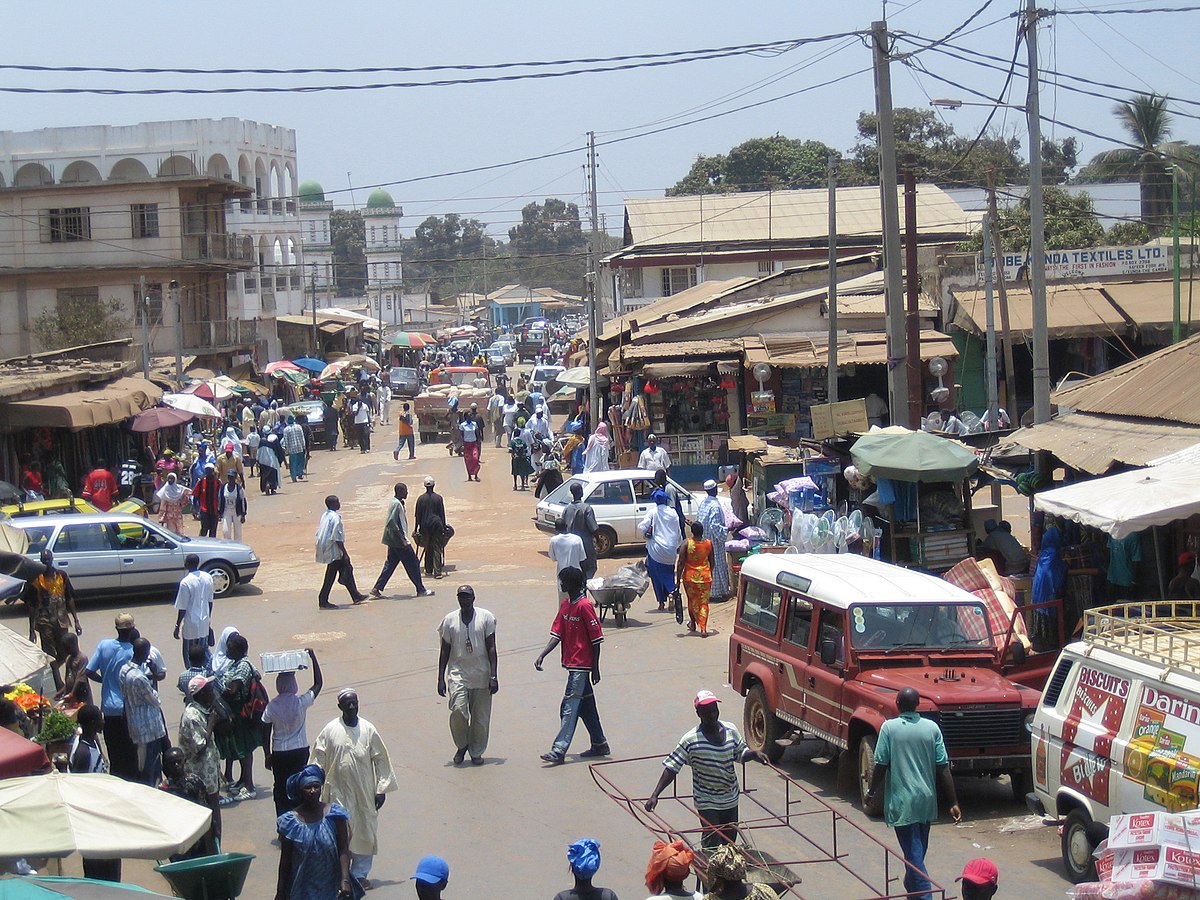
| Country | Gambia |
| Population | 19944 |
| Area | None |
| Time Zone | 0 GMT |
| Coordinates | 13.445, -16.675 |
| Highest elevation | None |
City Gallery




City Description
Serekunda, Gambia, is a lively and bustling city that represents the heartbeat of Gambian urban life. Located on the western coast of The Gambia, just a few kilometers from the capital city, Banjul, Serekunda is the largest city in the country, with a population of over 340,000. Unlike Banjul, which is located on an island, Serekunda stretches across the mainland, making it a hub for commerce, culture, and everyday Gambian life. Known for its vibrant markets, unique culture, and proximity to the Atlantic coast, Serekunda is a city that embodies the energy and spirit of Gambia.
The history of Serekunda is relatively young compared to some ancient cities in Africa. Founded in the early 20th century by a man named Serre Kunda, after whom the city is named, Serekunda originally developed as a small settlement. Over time, it grew rapidly due to its strategic location close to the coast and its proximity to Banjul, the seat of government. As people moved to Serekunda for economic opportunities, the city expanded and became a focal point for trade, especially with the increase of tourism in Gambia in the 1960s and 70s. Today, Serekunda is the economic capital of the country, known for its lively markets, small businesses, and bustling streets, which are filled with vendors, taxis, and shoppers.
Geographically, Serekunda is located in the Kombo St. Mary district, part of the West Coast Region. The city sits near the Gambia River and is surrounded by a network of smaller villages and neighborhoods that have become part of its urban sprawl. The landscape is low-lying and flat, typical of much of Gambia, which has a narrow, river-dominated geography. The climate is tropical, with a distinct wet and dry season. From June to October, the wet season brings heavy rains and lush greenery, while the dry season, from November to May, is characterized by hot and dry conditions with temperatures that often exceed 30°C. This warm, coastal climate makes Serekunda a popular spot for beachgoers and tourists during the cooler dry season months.
Culturally, Serekunda is rich and diverse, with a mix of ethnic groups, including Mandinka, Wolof, Fula, and Jola, each contributing to the city’s unique character. The city is known for its music, dance, and festivals, with drumming and traditional music playing an essential role in social gatherings and celebrations. The sounds of the kora, a traditional West African harp, can often be heard at local events, and Serekunda is a center for the griot tradition—musical historians who pass down oral history through song. Islam is the predominant religion in Serekunda, and the city’s culture is influenced by Islamic practices, with mosques spread throughout the area and Friday prayers being an essential part of the weekly rhythm. One of the highlights of life in Serekunda is the wrestling matches, known locally as “borreh,” which are popular community events that bring large crowds and enthusiastic support for local athletes.
The people of Serekunda are known for their warmth, resilience, and entrepreneurial spirit. Many residents make a living through small businesses, trade, and services. The Serekunda Market is one of the largest and most famous in the Gambia, filled with vendors selling everything from fresh produce and spices to fabrics, electronics, and crafts. This market is the city’s beating heart, always bustling with activity, bargaining, and the sights and sounds of everyday Gambian life. Tourism also plays a significant role in Serekunda’s economy, with hotels, guesthouses, and tour operators providing jobs and opportunities for locals. Many Gambians from rural areas migrate to Serekunda for work, contributing to the city’s diverse population and creating a unique blend of urban and traditional lifestyles.
Economically, Serekunda is a crucial center for trade and commerce in The Gambia. The informal economy is strong here, with countless small-scale vendors and family-run shops lining the streets and markets. The city’s proximity to Banjul and its location on major transportation routes make it a key area for trade. The tourism sector is another vital part of the economy, as Serekunda is home to some of Gambia’s most popular beach resorts, like Kololi and Kotu. These coastal areas attract thousands of tourists every year, particularly during the dry season when visitors come for the sun, sand, and vibrant Gambian culture. Tourism provides significant income and employment opportunities, with locals working as hotel staff, tour guides, craft sellers, and in other service-oriented roles. Additionally, Serekunda has a small but growing industrial sector, with companies involved in food processing, textiles, and construction.
Transportation in Serekunda is lively and sometimes chaotic, with minibuses, taxis, and “gele-geles” (shared vans) serving as the primary means of getting around the city. The roads are often busy with traffic, especially near the market and central areas. While the city does not have an airport, it is only a short drive from Banjul International Airport, which connects Gambia to other African nations and Europe. Serekunda’s public transportation is affordable, with shared taxis and minibuses offering cheap and accessible options for residents and visitors alike. Roads connecting Serekunda to nearby towns, villages, and Banjul are well-used, and plans for infrastructure improvement are frequently discussed to support the growing population and economic activity in the area.
Housing in Serekunda is varied, with a mix of traditional compounds, modern apartments, and simple one-story homes. In many neighborhoods, it’s common to find extended families living together in compounds, a traditional living arrangement that reflects the strong sense of community and family values in Gambian culture. Recent development has led to more modern housing complexes and apartments, especially near the tourist-friendly coastal areas. The cost of living in Serekunda is relatively low, though prices for rent and goods can vary depending on the neighborhood and proximity to the beach or city center. Essential services like healthcare and education are available, with clinics, schools, and hospitals in the area serving the needs of the growing population. Many residents also rely on traditional healing practices alongside modern medicine.
Entertainment and recreation in Serekunda revolve around its lively markets, music, beaches, and community events. The city’s beach areas, such as Kololi Beach and Kotu Beach, are popular with both locals and tourists, offering beautiful views of the Atlantic Ocean, restaurants, bars, and beach resorts where people can relax and enjoy the coastal atmosphere. Serekunda is also known for its vibrant nightlife, with a range of clubs, live music venues, and beach bars that host everything from reggae and Afrobeat nights to traditional Gambian drumming and dancing. The wrestling matches, a major local pastime, bring together large crowds, with locals cheering for their favorite fighters in exciting, energy-filled gatherings. Football is another favorite, and local matches often draw enthusiastic fans. For those interested in Gambian crafts and textiles, the Serekunda Craft Market offers a selection of handmade goods, including batik, jewelry, and wooden carvings, making it a must-visit spot for anyone looking to take home a piece of Gambian artistry.
In recent years, Serekunda has been focusing on improving infrastructure and services to support its growing population. The Gambian government and local authorities have implemented projects to upgrade roads, improve waste management, and enhance access to clean water and electricity. Education and healthcare are also key priorities, with new schools and clinics being built to serve the community better. Environmental awareness is growing, especially as tourism continues to play a significant role in the city’s economy, with efforts underway to promote sustainable practices, protect coastal areas, and reduce pollution. Serekunda’s community-driven development efforts show the city’s commitment to balancing growth with preserving its unique cultural and natural heritage.
Serekunda is a city that captures the essence of Gambia—vibrant, welcoming, and rich in tradition. From the lively markets and bustling streets to the beautiful beaches and energetic music scene, Serekunda offers a slice of life that is both authentically Gambian and universally appealing. Whether you’re exploring the colorful stalls of the Serekunda Market, relaxing on the coast, or joining in the excitement of a local wrestling match, Serekunda invites you to experience its warmth and spirit. It’s a city where modern life meets tradition, where community matters, and where every street and beach tells a story. For those looking to discover the real Gambia, Serekunda is a place that leaves a lasting impression.
Leave a Reply