

| Country | Egypt |
| Population | 266944 |
| Area | 9.03 km2 (3.49 sq mi) |
| Time Zone | UTC+2 (EET) |
| Coordinates | 26.55, 31.7 |
| Highest elevation | 67 m (220 ft) |
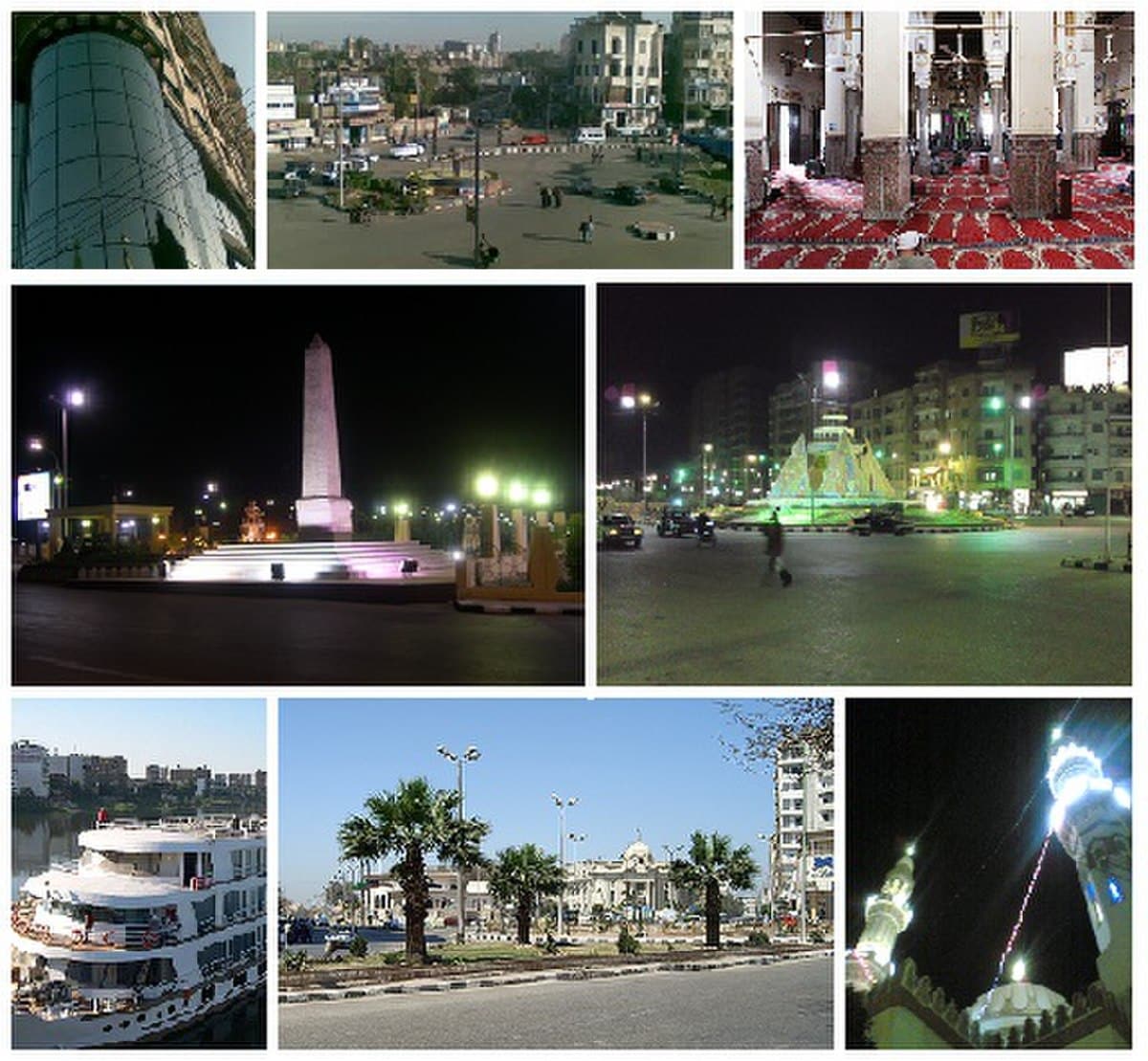
City Gallery




City Description
Sohag, a lively city along the west bank of the Nile in Upper Egypt, is both a historical treasure and a modern cultural hub. Home to around 200,000 people, Sohag serves as the capital of Sohag Governorate and is one of the prominent cities in Upper Egypt. Known for its strong Coptic Christian heritage, ancient temples, and modern-day agricultural and textile industries, Sohag is a fascinating mix of old and new. With a community rooted in tradition and a growing urban lifestyle, Sohag reflects the unique spirit of Upper Egypt—warm, vibrant, and rich in history.
The history of Sohag stretches back thousands of years, with evidence of settlements from Pharaonic times. During ancient Egypt, the area was near the city of Abydos, one of the most important spiritual sites in Egypt, and home to the Temple of Seti I, dedicated to the god Osiris. In Coptic times, Sohag became a major center of Christianity, and several monasteries and churches from this period still stand today, such as the White Monastery and the Red Monastery, named for their distinct building materials. These sites attract both pilgrims and history lovers, reflecting Sohag’s unique cultural legacy. Under Ottoman rule, Sohag grew as a trade and administrative center, and its strategic location along the Nile allowed it to develop into a key agricultural area that thrived through the centuries.
Geographically, Sohag is part of the fertile Nile Valley, where green agricultural fields contrast beautifully with the surrounding desert landscape. The city’s climate is typical of Upper Egypt, with hot, dry summers where temperatures can soar above 40°C and mild winters, averaging around 20°C. Rainfall is rare, so the Nile and irrigation systems play a vital role in sustaining local agriculture. The landscape around Sohag includes lush farmlands, palm trees, and villages that stretch along the river, creating a picturesque view of life in the Nile Valley. This fertile land is essential for growing crops like wheat, sugarcane, and various vegetables, which are central to Sohag’s local economy and daily life.
Culturally, Sohag is a blend of Islamic, Coptic, and ancient Egyptian influences. The city celebrates major Coptic holidays like Christmas and Easter with special services at its historic monasteries, drawing both locals and visitors. Islamic festivals are also celebrated widely, with Ramadan and Eid creating a festive atmosphere as families gather for traditional meals and prayers. Sohag is known for its strong sense of community and tradition, with wedding celebrations, music, and local crafts reflecting the rich heritage of Upper Egypt. Local art and crafts, such as handwoven textiles, pottery, and traditional clothing, are popular in Sohag’s markets, showing off the region’s skilled artisans. The cuisine here features Upper Egyptian flavors, with dishes like ful medames (stewed fava beans), fatta (a dish made with rice, bread, and meat), and molokhia (green soup) being staples in local households.
Human resources in Sohag are shaped by the city’s strong educational institutions and traditional skills. Sohag University, established in 2006, is a major institution offering programs in fields like medicine, engineering, agriculture, and humanities, attracting students from across Upper Egypt. This university contributes to the city’s educated workforce, with graduates working in local hospitals, schools, and businesses. Additionally, vocational training schools help prepare young people for careers in areas such as mechanics, agriculture, and textile production, aligning with the needs of the local economy. Many residents are skilled in trades like farming, textile weaving, and carpentry, supporting the region’s agricultural and industrial activities.
Economically, Sohag relies on agriculture, textiles, and small-scale industries. The Nile Valley’s fertile soil makes Sohag one of Egypt’s important agricultural centers, producing wheat, corn, sugarcane, and various vegetables that support local markets and supply nearby cities. The textile industry is also significant, with factories producing traditional and modern fabrics used throughout Egypt. Small industries, like pottery and handicrafts, add to Sohag’s economy, with local artisans creating items that are sold in markets and shipped to other regions. In recent years, the government has focused on developing infrastructure and improving transportation to support economic growth, connecting Sohag more effectively to other parts of Egypt.
The cityscape of Sohag is a mix of traditional homes, modern buildings, and ancient sites. In the heart of the city, the bustling markets, or “souks,” are filled with shops selling everything from fresh produce and textiles to household goods, creating a lively atmosphere. Residential neighborhoods blend older, family-owned homes with newer apartment buildings, while the historic churches and monasteries stand out as landmarks that highlight the city’s heritage. The White Monastery, with its unique limestone structure, and the Red Monastery, with its red-brick walls, are iconic sights, offering visitors a glimpse into Egypt’s Coptic history. Sohag’s recently upgraded Corniche along the Nile River is a popular spot for locals, providing a scenic walkway with views of the river and space for families to relax.
Daily life in Sohag is grounded in community, family, and tradition. The city’s markets are central to life here, where locals shop for fresh ingredients and handmade goods, often bargaining with vendors. Tea houses, or “ahwas,” are popular gathering spots for men, who meet to chat, play board games, and enjoy traditional tea or coffee. Family gatherings are important, especially during holidays and celebrations when relatives come together to share meals and catch up. The slower pace of life in Sohag, compared to Egypt’s bigger cities, allows residents to enjoy a more relaxed lifestyle, with evenings spent on the Corniche or at home with family. The people of Sohag are known for their warmth and hospitality, making the city feel like a close-knit community.
Public services in Sohag include healthcare, education, and transportation, which have seen improvements in recent years. Sohag University Hospital is a major healthcare provider, offering specialized medical services to residents and nearby communities. Public clinics and private medical facilities ensure access to healthcare, although more complex treatments may require travel to Cairo or Alexandria. Sohag’s transportation system includes a network of minibuses, taxis, and trains that connect the city to nearby towns and Cairo. The city is also served by Sohag International Airport, which offers flights to Cairo and a few international destinations, making travel easier for residents and supporting the city’s economy.
Sustainability and environmental efforts are growing in Sohag, with initiatives aimed at conserving water and improving waste management. The importance of the Nile for agriculture and daily life has encouraged local authorities to promote efficient water use and prevent pollution. Community clean-up campaigns and recycling programs are also gaining traction, with schools and community groups working together to raise awareness about environmental conservation. Efforts to maintain the city’s green spaces, such as parks and the Corniche, contribute to a healthier urban environment and provide residents with areas to enjoy nature.
Sohag is a city that embodies the essence of Upper Egypt—rich in history, culture, and a deep sense of community. Its blend of ancient landmarks, Coptic heritage, and bustling markets creates an atmosphere that is both timeless and vibrant. From the sacred monasteries to the scenic views along the Nile, Sohag offers an authentic experience of life in the Nile Valley. Whether exploring historical sites, enjoying local food, or visiting the lively markets, Sohag reveals the warmth, resilience, and traditions of Upper Egypt, making it a unique destination with a story at every corner.
Leave a Reply