


| Country | India |
| Population | 951118 |
| Area | 98.67 km2 (38.10 sq mi) |
| Time Zone | UTC+5:30 (IST) |
| Coordinates | 17.68, 75.92 |
| Highest elevation | 457 m (1,499 ft) |
City Gallery


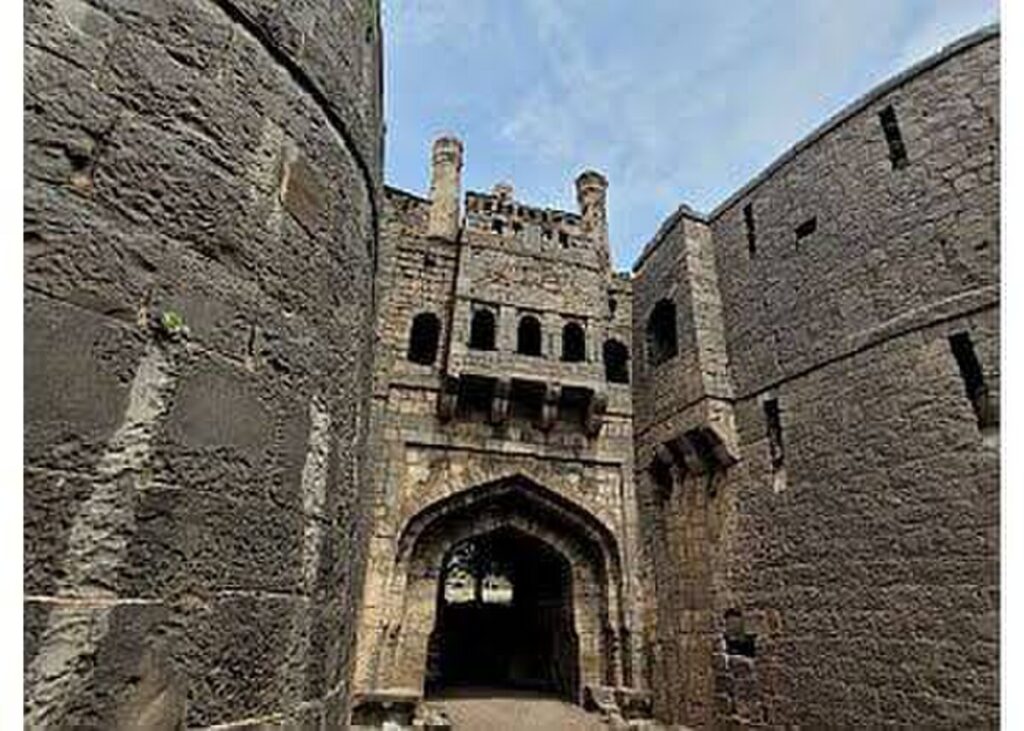


City Description
Solapur, a vibrant city located in the southwestern part of Maharashtra, India, is one of the state’s most culturally rich and economically diverse hubs. With a population of around 1.1 million people, Solapur spans an area of about 148 square kilometers. It serves as a significant link between Maharashtra and Karnataka due to its strategic location near the state border. This growing city has a rich history, diverse economy, and a unique blend of traditions, making it a fascinating place to explore.
Solapur’s history dates back to ancient times, with evidence of settlements as early as the Chalukya and Rashtrakuta dynasties in the 8th century. The name “Solapur” is derived from “Sonnalage,” meaning “Sixteen Villages” in the local dialect, referring to the 16 hamlets that initially formed the city. The city gained prominence during the Maratha Empire and was later a focal point during India’s struggle for independence. The famous Solapur Flag Satyagraha of 1930, where local freedom fighters protested against British rule, stands as a proud moment in the city’s history.
Geographically, Solapur is situated on the Deccan Plateau, giving it a semi-arid climate. Summers are extremely hot, with temperatures soaring above 40°C in May, while winters are relatively mild, with lows around 15°C. The city receives moderate rainfall during the monsoon season, typically from June to September. The surrounding landscape is characterized by flat terrains, scrublands, and a few rocky hills, making it an ideal location for agriculture and textile industries, which have historically been the backbone of its economy.
Solapur is perhaps best known for its rich textile industry, particularly for its iconic Solapur chaddars (bedsheets) and towels, which are famous throughout India for their durability and quality. The textile industry employs over 200,000 people, making it one of the largest employment sectors in the city. In 2022, Solapur’s textile exports contributed nearly ₹1,000 crore (around $120 million USD) to the Indian economy. The city also has a significant beedi (hand-rolled cigarette) manufacturing sector, providing jobs to approximately 100,000 people, mostly women, who hand-roll these traditional Indian tobacco products.
The city’s economy has been diversifying in recent years, with a push towards attracting industries in engineering, agriculture, and renewable energy. Solapur is emerging as a solar power hub, with the government setting up several large solar farms in the region. The Solar Park near Tuljapur, with a capacity of over 250 megawatts, is part of India’s renewable energy mission and is expected to power nearly 100,000 homes. Agriculture continues to play a vital role, with over 60% of Solapur’s rural population engaged in farming. The region is known for its production of sugarcane, pomegranates, and jowar (sorghum). The city hosts one of the largest agricultural markets in Maharashtra, where farmers trade crops like pulses, oilseeds, and cotton.
The real estate market in Solapur is steadily growing, especially with recent infrastructure projects like the expansion of the Solapur-Hyderabad highway and the Solapur-Pune railway line. The average price for an apartment in the city center is around ₹3,500 per square foot, making it an affordable option compared to Pune or Mumbai. New developments are also popping up in the outskirts, catering to middle-class families and professionals. The city’s recent upgrade to a Smart City under the central government’s initiative has brought in investments to improve its roads, water supply, and waste management systems.
Solapur’s educational sector is also well-developed, with several reputable institutions such as Solapur University and Walchand Institute of Technology producing skilled graduates. The city’s literacy rate stands at about 83%, with a strong focus on engineering, agriculture, and pharmaceutical sciences. Each year, approximately 15,000 students graduate from Solapur’s colleges, contributing to a skilled workforce that is increasingly looking beyond traditional industries for employment in IT and other tech-related fields.
Healthcare in Solapur is well-equipped, with numerous hospitals like Ashwini Sahakari Rugnalaya and Dr. Hedgewar Rugnalaya providing quality healthcare services. The city is also known for its Ayurvedic clinics, which attract patients seeking traditional treatments. However, like many growing cities in India, Solapur faces challenges in healthcare accessibility, particularly in its rural outskirts. Efforts are being made to expand telemedicine services and improve primary healthcare facilities to bridge the gap.
The culture of Solapur is a blend of Marathi, Kannada, and Telugu influences, reflecting its proximity to Karnataka and Andhra Pradesh. The city is known for its vibrant festivals, especially the Gadda Yatra, which is dedicated to Lord Siddheshwar, the city’s patron deity. This 15-day event attracts thousands of devotees who participate in the grand procession and religious rituals. Another highlight is the Nandidhwaj procession during Makar Sankranti, which showcases colorful floats, traditional music, and dance performances.
Solapur’s food scene is rich and diverse, with influences from both Maharashtra and Karnataka. The city is famous for its spicy Solapuri cuisine, especially dishes like *jowar bhakri* (sorghum flatbread), *mutton rassa* (spicy goat curry), and *ushacha sheera* (semolina dessert). Street food is also popular, with vendors offering everything from *chaat* to *vada pav* in the bustling markets around Chatrapati Shivaji Maharaj Chowk and Mahatma Gandhi Road.
Transportation in Solapur is well-connected by road and rail, making it an important transit hub. The Solapur Railway Station is one of the oldest in the country, serving over 40,000 passengers daily and connecting to major cities like Mumbai, Hyderabad, and Bengaluru. The city’s road network is expanding, with new flyovers and bypasses to reduce congestion. Public transport mainly consists of buses and auto-rickshaws, while the city is also making strides in promoting electric vehicles and cycle-sharing schemes.
In terms of sustainability, Solapur is making gradual progress. The city has introduced waste management programs and is working on increasing green spaces to combat pollution. Solar panels are being installed on government buildings, and there are plans to build a waste-to-energy plant to address the growing waste disposal issues. Efforts are also underway to rejuvenate the Ujjani Dam, which is a major source of water for the region.
Life in Solapur strikes a balance between the fast-paced hustle of city life and the laid-back charm of a traditional Indian town. The locals are known for their warmth and hospitality, making it easy for newcomers to feel at home. The city may not have the glitz of Mumbai or the IT buzz of Pune, but its rich history, diverse economy, and cultural vibrancy make it a unique place that holds its own charm. Whether it’s the thrill of exploring ancient temples, the joy of savoring spicy street food, or the serenity of watching the sunset over the Siddheshwar Lake, Solapur offers experiences that are as varied as they are memorable.
Leave a Reply