


| Country | United Kingdom |
| Population | 259965 |
| Area | 7,210sq mi (2,782km2) |
| Time Zone | UTC+0 (GMT) |
| Coordinates | 53.0255, -2.1761 |
| Highest elevation | None |
City Gallery


City Description
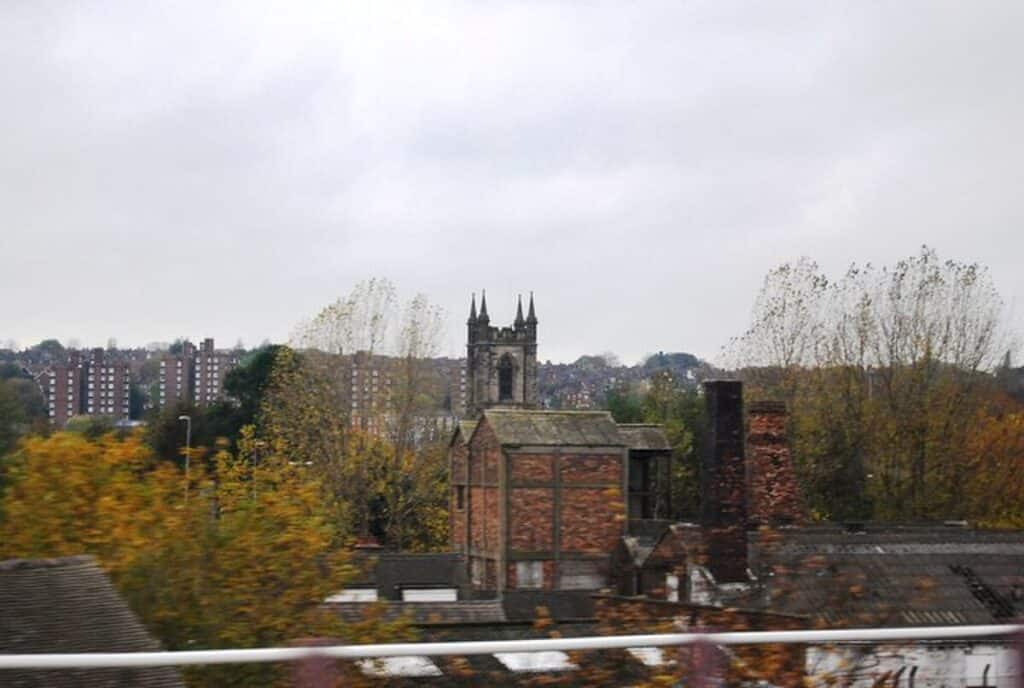
Stoke-on-Trent, often just called Stoke, is a city with a rich industrial heritage located in Staffordshire, England. With a population of around 250,000 as of 2023, it is known as the “Potteries” due to its long history of ceramic production. Stoke-on-Trent is actually a conurbation of six towns—Stoke, Hanley, Burslem, Tunstall, Longton, and Fenton—each contributing to the city’s unique character and history. The city’s landscape is a fascinating mix of traditional red-brick potteries, green parks, and new developments, reflecting its evolution from an industrial hub to a modern, vibrant city.
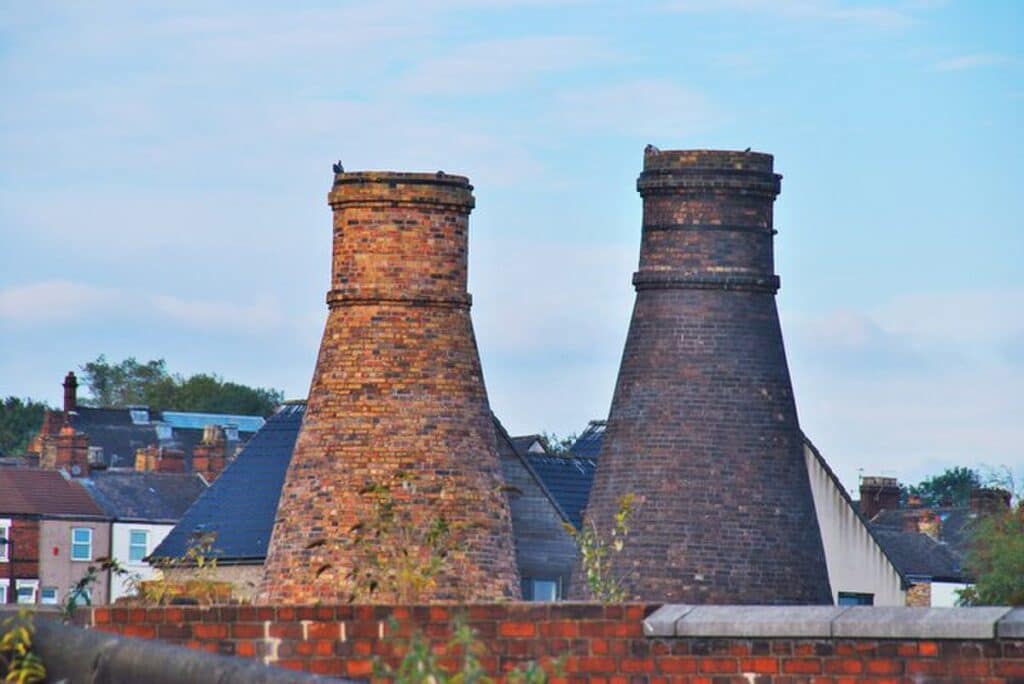
The history of Stoke is deeply rooted in the pottery industry, which has been central to its identity for over 300 years. In the 18th century, Stoke became the heart of England’s ceramics production, thanks to its abundant local clay and coal deposits. Pioneers like Josiah Wedgwood and Thomas Minton set up their factories here, establishing Stoke as a global leader in fine china and ceramics. The city’s kilns and potteries produced millions of pieces of tableware, tiles, and decorative items that were exported worldwide. Although the industry has declined since its heyday, Stoke remains proud of its ceramic heritage, and many pottery companies, like Wedgwood and Emma Bridgewater, continue to operate, attracting visitors interested in seeing the craftsmanship that the city is famous for.
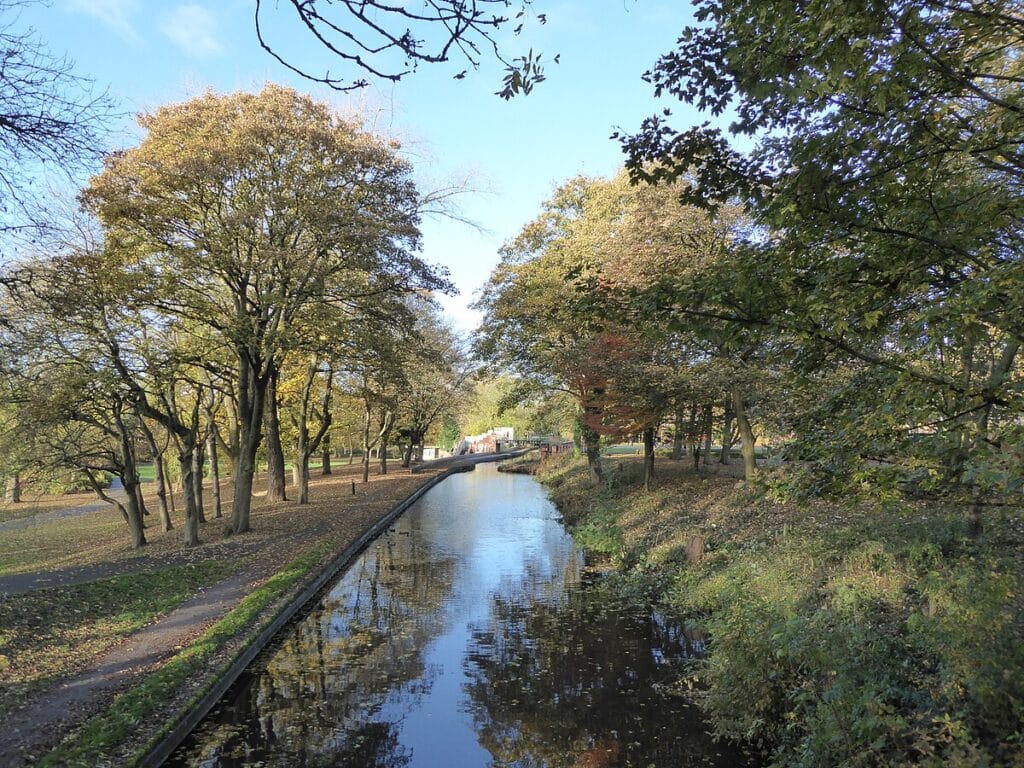
Geographically, Stoke-on-Trent is situated in the West Midlands region, roughly halfway between Manchester and Birmingham. The city’s location in the Trent Valley, with access to raw materials like clay and coal, made it ideal for pottery production. The Trent and Mersey Canal, which runs through the city, played a significant role in transporting goods during the Industrial Revolution. Today, the canal is used for leisure, offering scenic paths for walking and cycling. The city’s climate is typical of the Midlands, with mild summers averaging around 20 degrees Celsius and cool, wet winters where temperatures range from 1 to 7 degrees. Rain is frequent, but the city’s many parks and green spaces, like Central Forest Park and Hanley Park, keep it lush and green year-round.
Stoke’s culture is a fascinating mix of working-class traditions, arts, and a deep appreciation for its industrial roots. The city is home to the Potteries Museum and Art Gallery, which showcases Stoke’s ceramic heritage alongside art collections and exhibitions about the city’s history. The Gladstone Pottery Museum in Longton offers visitors a chance to step back in time and see how pottery was made during the Victorian era, complete with its iconic bottle kilns. These museums not only highlight the city’s past but also serve as hubs for cultural events and educational programs, keeping the spirit of Stoke’s craftsmanship alive.
Stoke’s annual events and festivals are also key aspects of its cultural life. The British Ceramics Biennial, held every two years, celebrates contemporary ceramic art and draws artists and enthusiasts from all over the country. It’s a nod to the city’s pottery legacy while showcasing how ceramics are evolving as a modern art form. Another significant event is the Stoke-on-Trent Literary Festival, celebrating literature with talks from authors and workshops, reflecting the city’s growing reputation as a center for the arts beyond its ceramic history.
The city’s economy has evolved significantly, moving beyond its reliance on the pottery industry. While ceramics remain important, providing thousands of jobs in manufacturing and tourism, Stoke’s economy is now more diversified, with a strong presence in services, education, and logistics. The city’s central location in the UK, with easy access to major motorways like the M6 and A50, has made it a logistics hub. Warehousing and distribution centers have sprung up around the city, and large employers like bet365, one of the world’s largest online betting companies, have their headquarters here, providing jobs for thousands of people in the technology and service sectors.
Education also plays a key role in Stoke’s economy. Staffordshire University, located in the city, offers a wide range of courses, including those in business, engineering, and media studies. The university attracts students from across the country and internationally, contributing to the city’s youthful and energetic atmosphere. The university’s focus on technology and innovation has also led to partnerships with local businesses, helping to drive economic growth and development in fields such as gaming, digital technology, and engineering.
Healthcare and public services are significant sectors in Stoke, with institutions like the Royal Stoke University Hospital being one of the largest employers in the area. The hospital not only provides critical medical services to residents but also serves as a teaching hospital in partnership with Keele University, helping to train the next generation of healthcare professionals. This combination of healthcare and education ensures a skilled workforce and supports the city’s economic and social development.
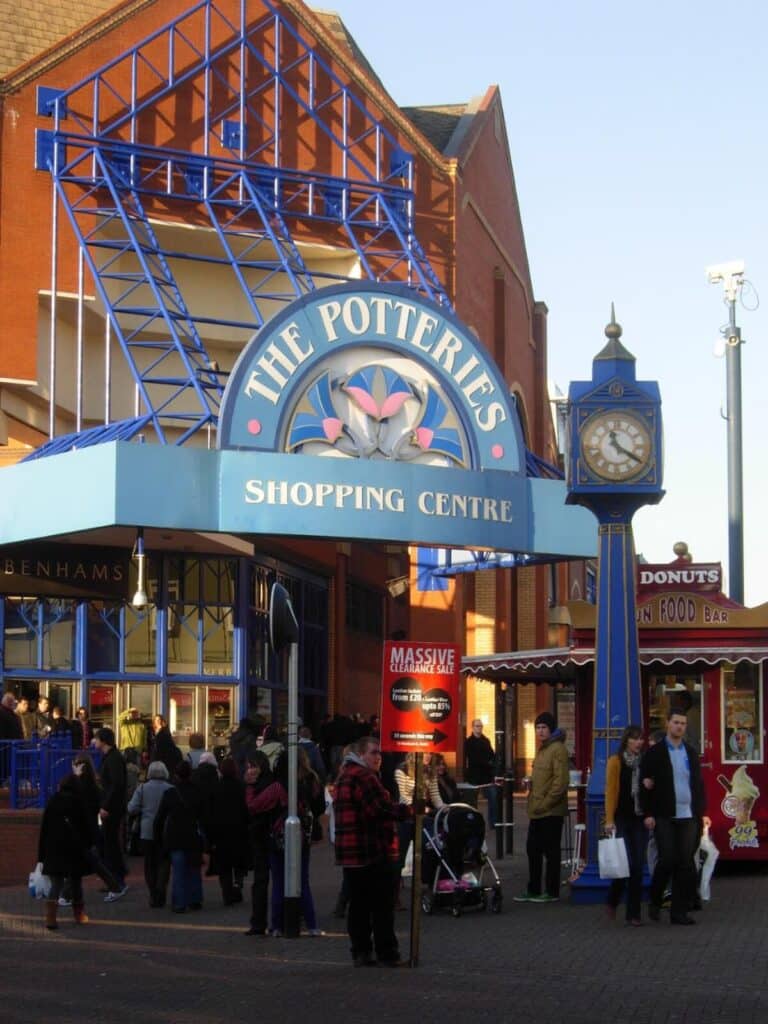
Stoke’s real estate market reflects its blend of industrial history and modern growth. The city has a variety of housing options, from traditional terraced houses in historic neighborhoods like Burslem and Tunstall to new developments in areas like Etruria and Trentham. The average house price in Stoke is around £150,000, significantly lower than the national average, making it an attractive place for first-time buyers and families seeking affordable housing. The city’s expansion and regeneration projects, particularly in the city center of Hanley, have led to new shopping centers, restaurants, and apartment buildings, transforming the area into a vibrant commercial and residential hub.
Transportation infrastructure in Stoke-on-Trent is well-developed, with easy connections to other major cities in the UK. The city’s train station, located near Staffordshire University, provides direct services to Manchester, Birmingham, and London, making it convenient for commuters and visitors alike. The road network, including the A500 and A50, offers quick access to the M6 motorway, supporting the city’s logistics sector and connecting residents to other parts of the country. Public transportation within the city includes buses that link the six towns, making it easy to get around, although many residents prefer to drive due to the city’s layout and suburban nature.
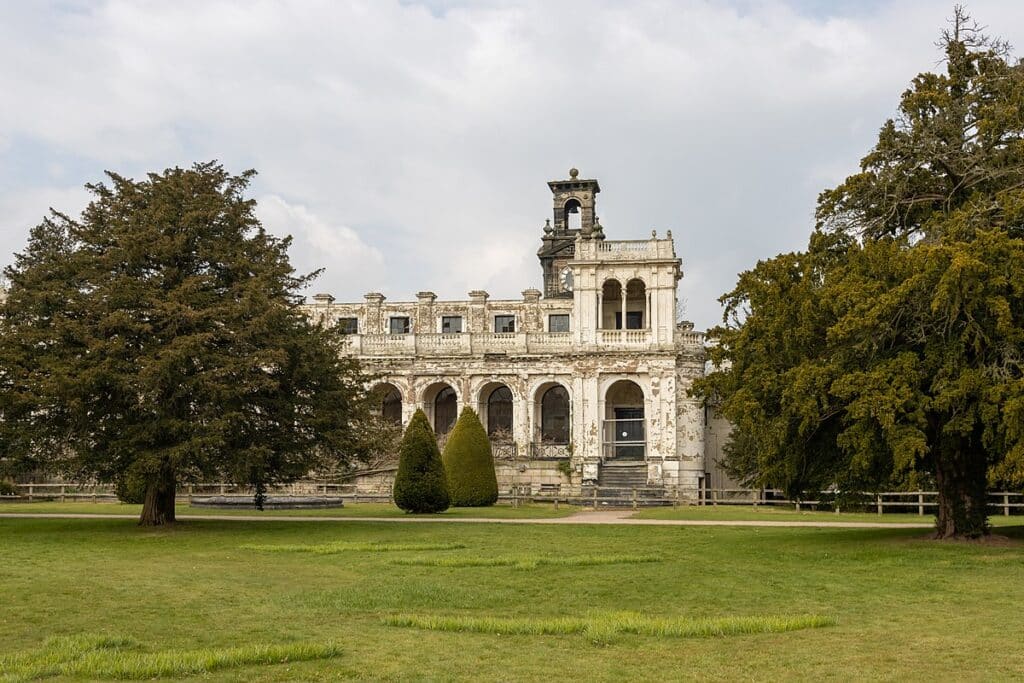
Green spaces are an important part of Stoke’s cityscape, offering residents and visitors a chance to enjoy nature and the outdoors. Hanley Park, one of the city’s largest parks, has recently undergone extensive renovation, providing facilities for boating, picnicking, and playing sports. Central Forest Park, built on the site of a former colliery, is a popular spot for walking, skateboarding, and family outings, reflecting Stoke’s ability to repurpose its industrial past into valuable community spaces. The Trentham Estate, located just outside the city, offers beautiful gardens, a lake, and a shopping village, making it a popular day-out destination for locals and tourists alike.
Tourism in Stoke-on-Trent is growing, thanks to its pottery heritage, green spaces, and cultural attractions. Visitors flock to the city to tour the historic potteries and shop for ceramics, and the Trentham Estate attracts those looking to explore the outdoors and boutique shops. The city’s central location in the UK also makes it a convenient base for exploring other nearby attractions, like the Peak District National Park, which is just a short drive away. The city’s hotels and restaurants, many of which showcase local cuisine like Staffordshire oatcakes, benefit from this steady stream of visitors, supporting the local economy.
Despite its many strengths, Stoke faces challenges, particularly in terms of addressing economic disparities and modernizing its infrastructure. While areas like Hanley and the Salford Quays have seen significant investment, other neighborhoods still deal with high unemployment and need further development. The city’s local government is working on initiatives to attract investment and improve public services, with a focus on spreading economic opportunities more evenly across Stoke’s six towns. Projects aimed at revitalizing historic buildings and improving transportation links are part of the broader effort to enhance the city’s appeal and ensure sustainable growth.
Stoke-on-Trent is a city that honors its past while looking towards the future. From its historic potteries and museums to its modern shopping centers and universities, the city offers a dynamic and evolving experience that captures the spirit of the Midlands. Whether you’re exploring the cobbled streets of Burslem, discovering the art of ceramics at the Gladstone Pottery Museum, or enjoying a day out at the Trentham Gardens, Stoke provides a fascinating glimpse into both the heritage and the innovation that define this unique city.
Leave a Reply