


| Country | Albania |
| Area | 1,110 km2 (430 sq mi) |
| Time Zone | UTC+1 (CET) |
| Coordinates | 41.327222222222225, 19.81861111111111 |
| Highest elevation | 110 m (360 ft) |
City Gallery


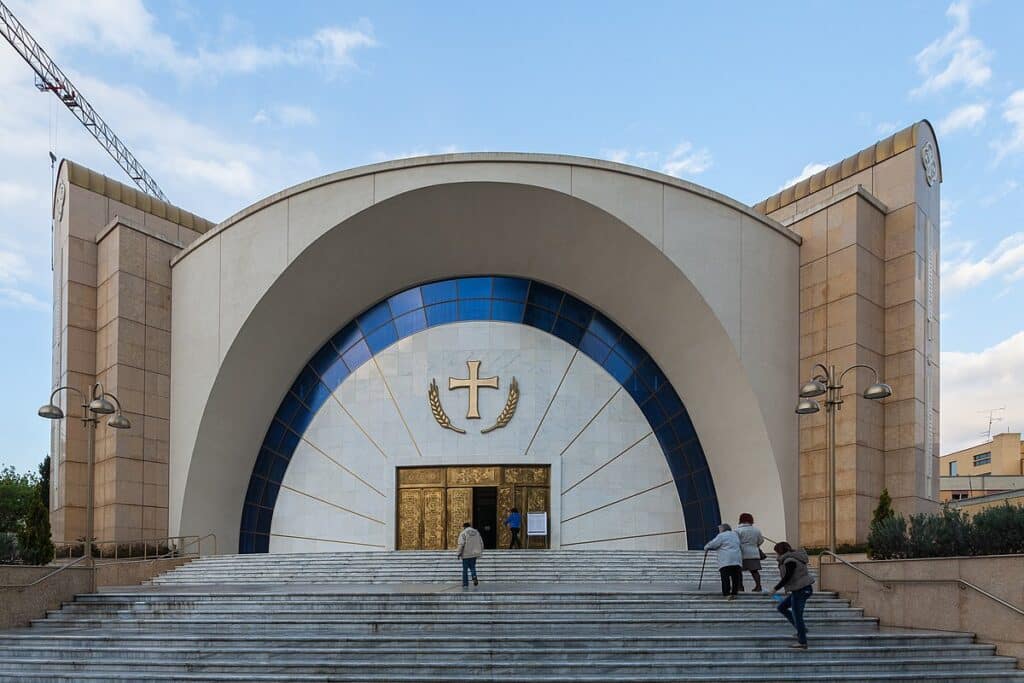
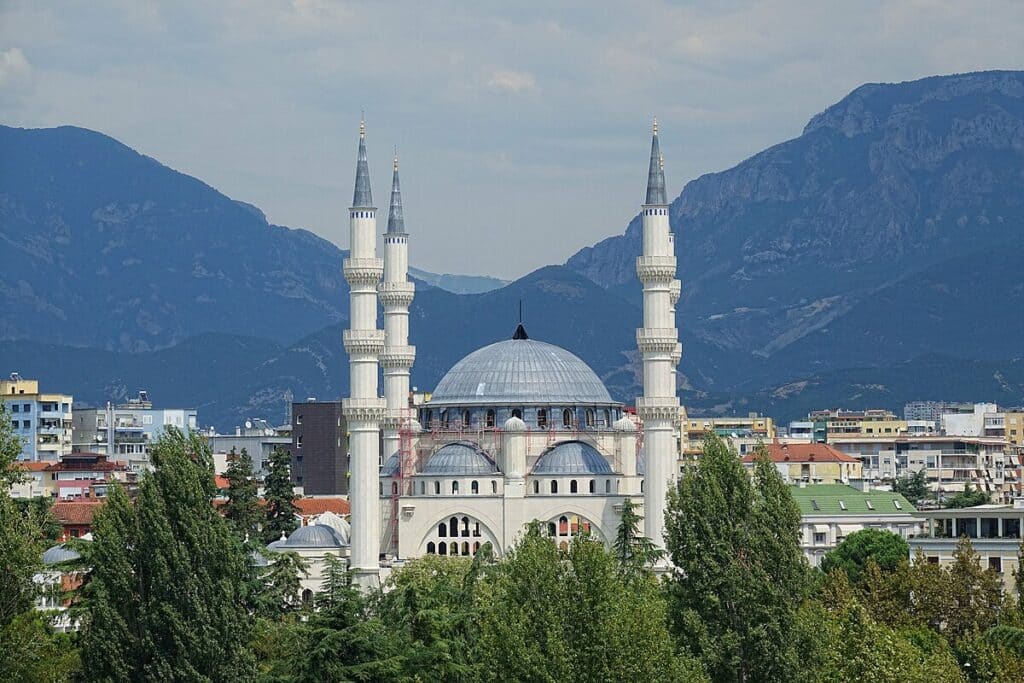


City Description
Tirana, the lively and colorful capital of Albania, is a city that’s constantly evolving, balancing a mix of old-world charm and a modern, youthful energy. With a population of around 500,000 people in the city itself and close to 800,000 in the greater metropolitan area as of 2023, Tirana is the beating heart of the country. It’s a city that wears its history on its sleeve while embracing change, making it one of the most exciting and dynamic capitals in the Balkans.
Geographically, Tirana is located in a wide valley surrounded by mountains, with Mount Dajti to the east providing a stunning backdrop. The city sits just 40 kilometers from the Adriatic Sea, which gives it a pleasant Mediterranean climate. Summers are hot and dry, with temperatures often hitting 35°C (95°F) in July and August, while winters are mild and rainy, with averages around 8°C (46°F) in January. The city gets about 1,200 mm of rainfall annually, mostly during the autumn and winter months. Tirana’s greenery is enhanced by its parks and open spaces, like the Grand Park and Artificial Lake of Tirana, which provide a refreshing escape from the urban hustle.
Tirana’s history is both fascinating and complex. The city was officially founded in 1614 by Sulejman Bargjini, an Ottoman ruler, but it didn’t become the capital of Albania until 1920. Before that, it was a small town known for its bustling bazaar and mosques. Tirana’s transformation began in the early 20th century when Albania declared independence from the Ottoman Empire in 1912, but it was the Italian occupation in the 1930s that left a lasting mark on the city’s architecture. Wide boulevards, neoclassical buildings, and a central square were constructed, giving Tirana its modern-day layout. The city underwent another major transformation during the communist era under Enver Hoxha, when brutalist architecture, blocky apartment buildings, and grandiose public buildings like the Pyramid of Tirana were constructed.
After the fall of communism in the early 1990s, Tirana was left in disarray, but it has since undergone an incredible transformation. The city’s revival is most evident in its colorful facades, thanks to a bold urban art project initiated by the former mayor (and now Prime Minister) Edi Rama. Today, Tirana is known for its vibrant street art, modern cafes, and lively nightlife. Skanderbeg Square, the city’s central hub, has been completely revamped into a spacious pedestrian zone surrounded by landmarks like the National Museum, the Et’hem Bey Mosque, and the Clock Tower.
Culturally, Tirana is a melting pot of influences, reflecting Albania’s diverse history. The city is home to a mix of Muslims, Christians, and secular citizens who coexist peacefully, making it a symbol of tolerance in the Balkans. The Blloku district, once a restricted area for communist elites, is now the trendiest part of the city, filled with cafes, bars, and restaurants that come alive at night. It’s the go-to spot for young Albanians and expats looking to enjoy Tirana’s thriving social scene. The city also hosts several cultural events throughout the year, such as the Tirana International Film Festival and the Tirana Art Biennale, which draw artists and filmmakers from across Europe.
Food in Tirana is a delight for anyone who loves Mediterranean flavors with a Balkan twist. The city’s culinary scene is booming, with restaurants offering everything from traditional Albanian dishes like *tavë kosi* (baked lamb with yogurt) and *byrek* (savory pastry filled with cheese or meat) to Italian-inspired pasta and seafood. The local markets, such as the New Bazaar (Pazari i Ri), are bustling with vendors selling fresh fruits, vegetables, cheeses, and olives. Street food is also popular, with locals grabbing a quick *sufllaqe* (Albanian-style gyro) or a plate of *qofte* (meatballs) with a side of *fërgesë* (pepper and cheese dip).
In terms of human resources, Tirana is a city filled with young, educated, and ambitious people. Nearly 60% of its population is under the age of 35, making it one of the youngest capitals in Europe. The city is home to several universities, including the University of Tirana, which offers programs in medicine, engineering, and economics, attracting students from all over Albania and neighboring countries. Many young professionals are fluent in multiple languages, particularly English and Italian, which is a legacy of Albania’s close ties with Italy. This multilingual workforce is helping to transform Tirana into a regional hub for technology, outsourcing, and startups.
Economically, Tirana is the engine that drives Albania’s economy. While the country has traditionally relied on agriculture, the capital has shifted towards services, trade, and tourism. Tirana’s economy has seen steady growth over the past decade, with foreign investments flowing into real estate, construction, and retail. The city’s shopping malls, like TEG (Tirana East Gate) and Citypark, are bustling with activity, reflecting the growing middle class. The service sector, especially banking, telecommunications, and IT, is expanding rapidly, offering job opportunities for young graduates.
Tourism is another important pillar of Tirana’s economy. The city is increasingly popular among travelers looking for an affordable yet rich cultural experience. The influx of tourists has led to a boom in the hospitality industry, with new hotels, hostels, and Airbnb accommodations popping up all over the city. Tirana is often the starting point for exploring the rest of Albania, with its beautiful beaches, historical sites, and scenic mountains just a short drive away.
Transportation in Tirana has improved significantly in recent years, though it still faces challenges with traffic congestion, especially during rush hours. The city’s public transport system consists of buses that cover most areas, but they can be crowded and slow. Taxis are widely available, and cycling is becoming more popular thanks to new bike lanes and shared bike programs. Tirana International Airport (Mother Teresa) is located just 17 kilometers from the city center, connecting the city to major European destinations like Rome, Istanbul, and Vienna.
The quality of life in Tirana has seen remarkable improvement since the 1990s. The city’s parks and open spaces, such as the Grand Park and the Artificial Lake, provide residents with places to relax and exercise. The recent renovation of Skanderbeg Square has turned it into a green oasis in the heart of the city. However, like many fast-growing cities, Tirana faces challenges such as air pollution, inadequate waste management, and occasional water shortages. The local government is investing in sustainable urban projects to address these issues, with initiatives to improve green spaces, promote recycling, and reduce traffic congestion.
The people of Tirana are known for their hospitality, friendliness, and resourcefulness. Despite the rapid changes the city has undergone, there’s a strong sense of community, especially in the older neighborhoods where families have lived for generations. The city’s laid-back atmosphere is reflected in its cafe culture, where locals gather to drink coffee, chat, and watch the world go by. The city is constantly evolving, with new buildings, restaurants, and public spaces popping up, reflecting its status as the center of Albania’s transformation.
Tirana’s journey from a neglected communist city to a vibrant, colorful capital is a testament to the resilience and optimism of its people. The city is full of contrasts, where Ottoman mosques stand next to modern skyscrapers, and traditional markets coexist with trendy boutiques. Whether you’re exploring the historic sites, enjoying the nightlife in Blloku, or simply taking a stroll through its lively streets, Tirana offers a unique blend of history, culture, and energy. It’s a city that’s constantly reinventing itself while staying true to its roots, making it a fascinating place to visit or call home.
Leave a Reply