


| Country | Russia |
| Population | 404426 |
| Area | 347.6 km2 (134.2 sq mi) |
| Time Zone | UTC+8 (MSK+5 [6]) |
| Coordinates | 51.833333333333336, 107.6 |
| Highest elevation | 500 m (1,600 ft) |
City Gallery



City Description
Ulan-Ude, the capital of the Republic of Buryatia in Russia, is a fascinating city that perfectly blends its unique cultural heritage, stunning landscapes, and growing urban development. Nestled in southeastern Siberia, about 100 kilometers southeast of Lake Baikal, Ulan-Ude is home to around 450,000 residents. The city spans an area of approximately 350 square kilometers and serves as a major cultural and economic hub for the region. With its mix of Russian, Buryat, and Mongolian influences, Ulan-Ude offers a unique slice of Siberian life that you won’t find anywhere else in Russia.
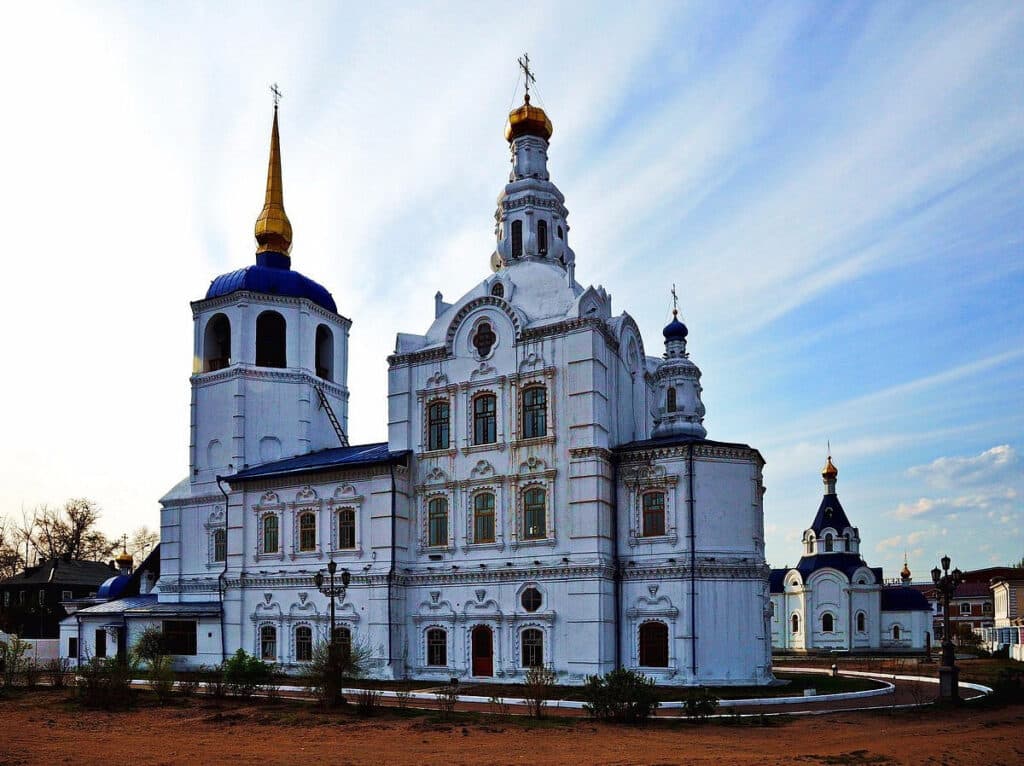
The history of Ulan-Ude dates back to its founding in 1666, when it was established as a small Cossack fortress known as Udinskoye. The city’s location at the confluence of the Selenga and Uda rivers made it a strategic stop on the trade route between Russia, China, and Mongolia, leading to its growth as a key trading post. In 1783, it was granted city status under the name Verkhneudinsk, which it kept until 1934, when it was renamed Ulan-Ude to reflect its Soviet identity. The name “Ulan-Ude” translates to “Red Uda” in Buryat, symbolizing the communist spirit of the time. The city played an important role during the Soviet era as an industrial center, and remnants of its Soviet past can still be seen in its architecture and large public squares.
Geographically, Ulan-Ude is surrounded by the picturesque Siberian taiga and mountain ranges. The city sits at an elevation of about 600 meters above sea level, giving it a breathtaking backdrop of rolling hills and forests. The climate is sharply continental, with long, frigid winters and short, warm summers. Winter temperatures can plunge to as low as -30°C, while summers are pleasantly warm, with temperatures averaging around 25°C. The city receives about 250 millimeters of rainfall annually, mostly concentrated in the summer months. Ulan-Ude’s proximity to Lake Baikal, the world’s deepest freshwater lake, makes it a popular gateway for tourists looking to explore this natural wonder.
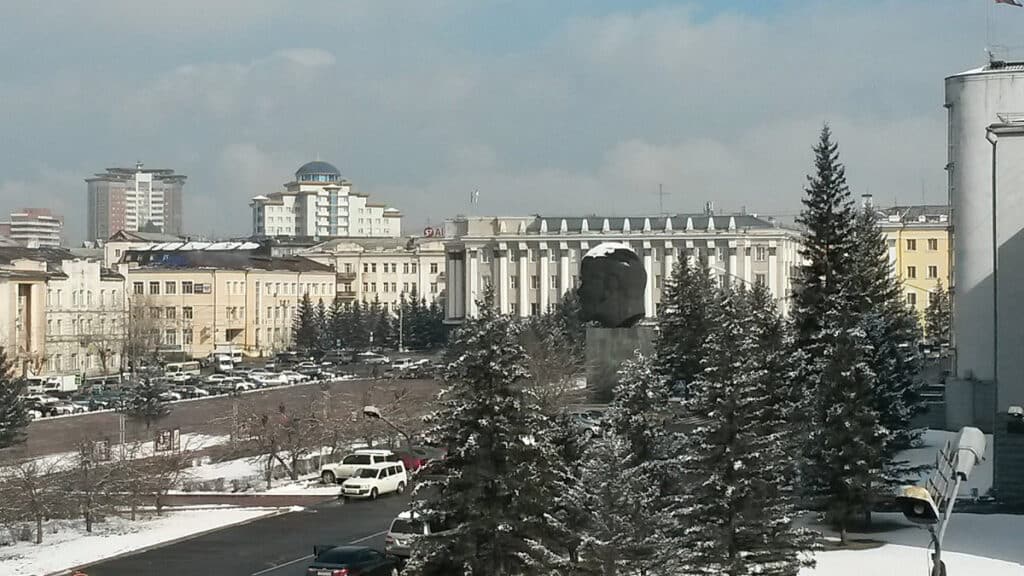
Culturally, Ulan-Ude is a melting pot of Russian, Buryat, and Mongolian traditions. The city is the center of Buryat culture, an indigenous Siberian ethnic group related to the Mongols. The Buryats are known for their colorful festivals, traditional throat singing, and Buddhist practices. The Ivolginsky Datsan, located just outside Ulan-Ude, is the most important Buddhist temple in Russia and attracts thousands of pilgrims each year. The city is also famous for its enormous Lenin Head monument, which stands proudly in the central square and is one of the largest busts of Lenin in the world. Festivals like Sagaalgan (Buryat New Year) and Naadym (a festival featuring wrestling, archery, and horse racing) are celebrated with great enthusiasm, showcasing the city’s diverse cultural fabric.
Human resources in Ulan-Ude are diverse, reflecting the city’s status as a regional center of education, healthcare, and trade. The literacy rate in the city is nearly 100%, supported by several educational institutions like Buryat State University and the East Siberian State University of Technology and Management. The city’s workforce is skilled in sectors such as education, healthcare, public administration, and manufacturing. Many residents are also involved in agriculture, tourism, and traditional crafts like felt-making and woodworking, which are deeply rooted in Buryat culture.
Economically, Ulan-Ude plays a crucial role in the economy of the Republic of Buryatia. The city’s GDP is estimated to be around RUB 50 billion (approximately USD 700 million), with industries such as manufacturing, energy, and agriculture driving growth. Historically, Ulan-Ude was an industrial powerhouse during the Soviet era, specializing in locomotive building and aviation. Today, the city has diversified its economy, focusing on sectors like tourism, food processing, and renewable energy. Agriculture remains vital in the surrounding areas, with the region producing wheat, barley, potatoes, and dairy products. The city’s markets are bustling with fresh produce, traditional Buryat delicacies like *buuz* (steamed dumplings), and dried fish from Lake Baikal.
Tourism is also a growing sector, with visitors coming to explore Ulan-Ude’s rich cultural heritage and its proximity to Lake Baikal. The Trans-Siberian Railway, which passes through the city, brings a steady stream of tourists eager to experience Siberian culture and the breathtaking landscapes of the region.
Transportation in Ulan-Ude is relatively well-developed, considering its remote location. The city is a major stop on the Trans-Siberian Railway, connecting it to Moscow, Vladivostok, and Beijing. Ulan-Ude Vostochny Airport serves as the main gateway for air travel, offering flights to Moscow, Irkutsk, and other Russian cities. Public transportation within the city includes buses, trolleybuses, and marshrutkas (shared minibuses), which are the most popular mode of transport for locals. In recent years, the city has focused on modernizing its infrastructure to accommodate its growing population and tourist traffic.
Healthcare in Ulan-Ude has seen improvements over the years, with several hospitals, clinics, and specialized medical centers providing services to the local population. The Republican Hospital is one of the largest healthcare facilities in the city, offering advanced treatments and emergency care. In addition, there are numerous smaller clinics and health centers that focus on traditional Buryat medicine, which incorporates herbal treatments and holistic practices. The local government has been investing in healthcare infrastructure, especially in rural areas, to improve access to medical services.
Housing in Ulan-Ude ranges from Soviet-era apartment buildings in the older parts of the city to newer, modern apartments and suburban homes in the outskirts. The real estate market has been slowly growing, driven by demand from both local families and those moving from nearby rural areas for better job opportunities. The average cost of housing in Ulan-Ude is relatively affordable compared to larger Russian cities, with prices ranging from RUB 45,000 to 65,000 per square meter depending on the neighborhood. Popular residential areas include Oktyabrsky District, Sovetsky District, and Zheleznodorozhny District, which are known for their proximity to schools, parks, and shopping centers.
Food is an essential part of life in Ulan-Ude, with a cuisine that reflects its Siberian and Buryat influences. Traditional dishes include *buuz* (large steamed dumplings filled with meat), *tsuivan* (noodles with vegetables and meat), and various soups like *bukhler* (mutton soup). The city’s central market is a great place to explore local flavors, with vendors selling fresh fish, dairy products, and dried herbs used in Buryat cooking. Ulan-Ude also has a growing number of cafes and restaurants that cater to diverse tastes, offering everything from Russian and Asian fusion to classic Siberian dishes.
Safety in Ulan-Ude is generally good, with the city maintaining a relatively low crime rate compared to other Russian cities. The local police have a visible presence, particularly in tourist areas and during public events, ensuring that both residents and visitors feel safe. Community programs and neighborhood watch initiatives have also contributed to keeping the city secure.
In recent years, Ulan-Ude has made strides in sustainability and environmental protection. The city has launched initiatives to reduce air pollution, manage waste, and protect its green spaces. The Selenga River, which flows through the city, is crucial for both the local ecosystem and the economy, and efforts are being made to preserve its water quality. Ulan-Ude’s focus on sustainability is also evident in its promotion of eco-tourism, with tours to Lake Baikal, the Barguzin Valley, and the Tunkinsky National Park becoming increasingly popular.
Ulan-Ude is more than just a stop on the Trans-Siberian Railway; it’s a city that offers a unique blend of history, culture, and natural beauty. Whether you’re exploring the colorful Buddhist temples, taking in the panoramic views of the surrounding mountains, or simply enjoying a hot bowl of *buuz* at a local cafe, Ulan-Ude offers an experience that’s both rich in tradition and welcoming to modern travelers. For those seeking to explore the lesser-known parts of Russia, Ulan-Ude is a city that promises to surprise and delight with its warmth, diversity, and breathtaking scenery.
Leave a Reply