

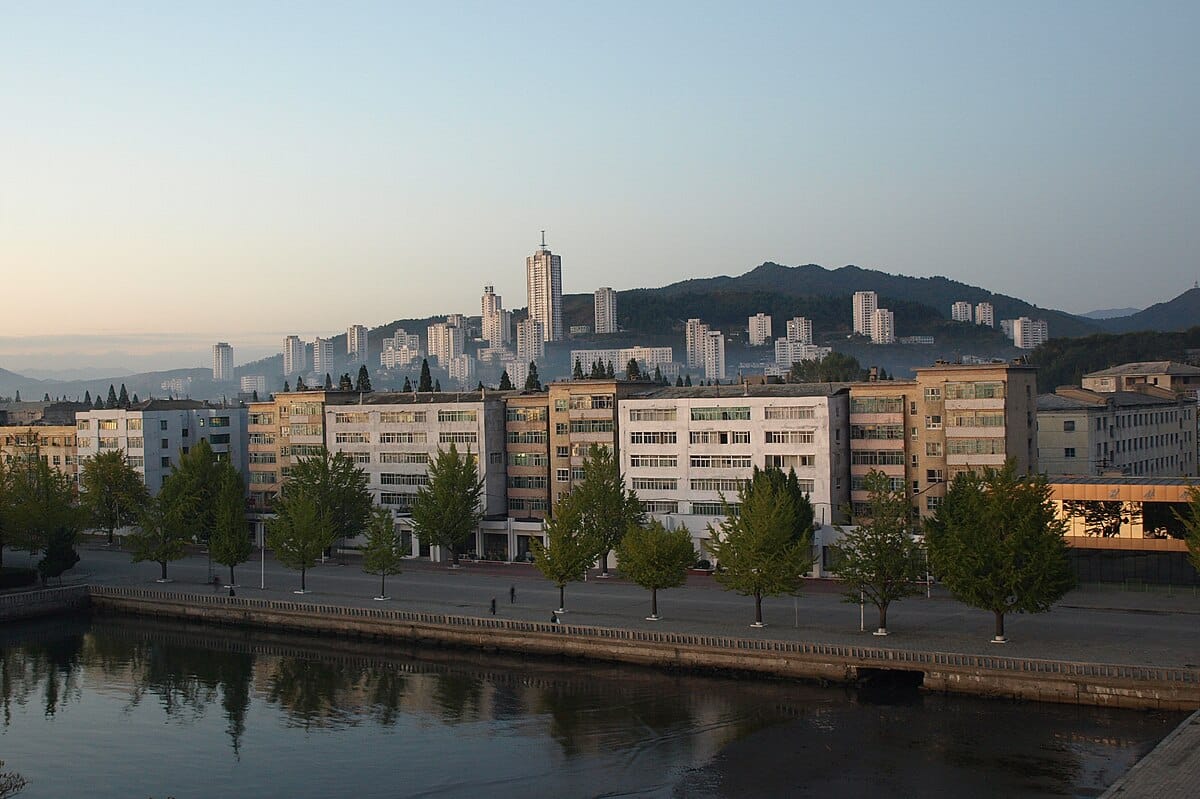
| Country | North Korea |
| Population | 363127 |
| Area | 269 km2 (104 sq mi) |
| Time Zone | UTC+9 (Pyongyang Time) |
| Coordinates | 39.1475, 127.44611111111111 |
| Highest elevation | None |
City Gallery




City Description
Wonsan, a port city on North Korea’s eastern coast, is a fascinating blend of natural beauty, history, and economic ambition. Located in Kangwon Province along the shores of the Sea of Japan (or East Sea), Wonsan is one of the country’s key coastal cities and a favorite spot for domestic tourism. With a population of approximately 360,000 people, Wonsan covers an area of about 269 square kilometers. It’s a place where locals and visitors alike enjoy the scenic coastlines, mountains, and a relatively relaxed atmosphere compared to Pyongyang’s bustling pace.
Wonsan’s history dates back over a thousand years, though it really began to grow during the Japanese occupation in the early 20th century. The Japanese saw its strategic potential and developed it into a significant port city, contributing to its rise as a maritime and industrial hub. After World War II, the city was heavily bombed during the Korean War, but it was quickly rebuilt. Today, Wonsan is a critical part of North Korea’s economic plans, especially with recent efforts to transform it into a major tourist destination as part of the Wonsan-Kalma coastal tourism project.
Geographically, Wonsan is beautifully situated with the East Sea on one side and rugged mountains on the other. The city is known for its long coastline, with pristine beaches like Songdowon and Myongsasimri drawing visitors during the summer months. The surrounding region is rich in natural beauty, with forests, waterfalls, and hot springs that make it an attractive spot for hiking and relaxation. The city enjoys a humid continental climate, with cold, dry winters where temperatures can drop to around -10°C (14°F), and warm, humid summers reaching up to 28°C (82°F). Wonsan receives an average annual rainfall of about 1,000 millimeters, most of which falls during the monsoon season from June to August.
Culturally, Wonsan is an essential city in North Korea’s social fabric. It’s one of the few places in the country where there is a significant focus on leisure and recreation. The city’s Songdowon International Children’s Camp is famous, especially among youth from friendly nations, showcasing North Korea’s efforts to present a positive image to the world. This camp, with its sports facilities, swimming pools, and outdoor activities, is a key symbol of the government’s focus on youth education and international friendship.
The people of Wonsan are known for their resilience and community spirit, much like the rest of North Korea. The city’s population is predominantly Korean, with a small presence of Chinese expatriates. Education is a significant priority, and the literacy rate is nearly 100%, reflecting the country’s emphasis on education. Wonsan is home to several educational institutions, including Wonsan University of Fisheries, which focuses on training experts for the country’s fishing industry. Human resources in the city are primarily engaged in fishing, tourism, light manufacturing, and education.
Economically, Wonsan is poised to be one of North Korea’s flagship tourist destinations. The government has ambitious plans to turn Wonsan into a coastal resort city as part of the Wonsan-Kalma tourism project. This project aims to attract foreign tourists, particularly from China and Russia, by developing hotels, resorts, and leisure facilities along its beaches. However, international sanctions and limited foreign investment have slowed down these plans. Despite this, the city remains an essential center for North Korea’s fishing industry, with its port handling a significant portion of the country’s seafood exports, especially squid and shellfish.
The Wonsan port is also critical for trade, although it is primarily used for domestic shipping due to international sanctions. The city’s shipbuilding industry plays a vital role in the local economy, with facilities that produce fishing vessels and cargo ships. Wonsan’s strategic location makes it a key point for maritime activities, though its potential is underutilized due to North Korea’s economic isolation.
Real estate in Wonsan is unique due to North Korea’s state-controlled housing market. Property ownership, as understood in other parts of the world, doesn’t exist here. Housing assignments are managed by the government, and the city has seen an influx of new construction projects related to the tourism initiative. The new developments along the Wonsan-Kalma coast include high-rise apartments, hotels, and recreational areas aimed at boosting the city’s appeal to both domestic and, if sanctions are lifted, international tourists.
Transportation in Wonsan is relatively well-developed compared to other North Korean cities. The Wonsan Railway Station connects the city to Pyongyang and Hamhung, making it a key stop on the country’s rail network. There’s also Wonsan Kalma International Airport, which was renovated in recent years to handle an expected increase in tourist traffic, although regular international flights have yet to materialize. Within the city, public transportation is primarily buses and trolleybuses, which are typically crowded but efficient for local travel.
Healthcare in Wonsan is limited but generally better than in more remote areas of North Korea. The Wonsan General Hospital is the largest healthcare facility in the city, providing basic medical services to residents. However, like much of the country, healthcare is often hampered by shortages of medicines and medical equipment. Despite these challenges, the government emphasizes healthcare access, though much of it remains propaganda rather than reality.
Wonsan’s culinary scene is heavily influenced by its coastal location. Seafood is a staple, with fresh fish, squid, and shellfish making up a significant part of the local diet. Popular dishes include kalguksu (knife-cut noodles) served with seafood broth, and mulhoe, a cold raw fish soup that’s refreshing in the summer. The city’s markets, such as the Wonsan Central Market, are filled with fresh produce, seafood, and traditional Korean foods, though these markets are heavily regulated, and prices can be unpredictable due to supply shortages.
Tourism is a significant focus for Wonsan’s future. The government hopes that once sanctions are eased, the city can become a major destination, attracting tourists to its beaches, hot springs, and historical sites like the Sokwangsa Temple and the Ullim Falls. The city is also home to the Masikryong Ski Resort, which was built to promote winter tourism. The resort is equipped with modern facilities, including ski lifts and hotels, though it mainly caters to the North Korean elite and selected foreign visitors.
Despite its potential, Wonsan faces numerous challenges related to infrastructure, international sanctions, and economic isolation. The city’s development plans have been ambitious, but the lack of foreign investment has slowed progress. Moreover, the strict controls on movement and access mean that tourism is heavily restricted, with visitors only allowed on guided tours. The local government continues to push forward with its plans, but the city’s growth is closely tied to North Korea’s overall political and economic situation.
In essence, Wonsan is a city caught between its past and its aspirations for the future. It has the natural beauty, historical significance, and strategic location to be a major player in the region, but its potential remains largely untapped due to the country’s economic and political constraints. For now, Wonsan remains a city of contrasts—where beautiful beaches meet barbed wire, and grand visions for the future are tempered by the realities of life in North Korea. Whether it’s strolling along the scenic coastlines, exploring hidden temples, or simply watching the local fishing boats return with their daily catch, Wonsan offers a unique glimpse into a side of North Korea that most of the world rarely sees.
Leave a Reply